
Dermatophytes are a group of fungi that infect the skin, hair, and nails, leading to common fungal infections known as ringworm (tinea). These infections thrive in warm, moist environments and spread easily through direct contact.
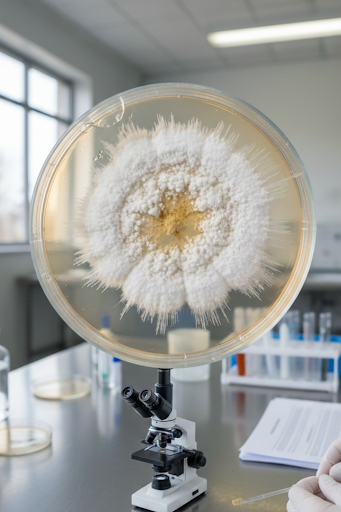
DERMATOPHYTES
What Are Dermatophytes?
Dermatophytes are keratin-loving fungi that invade and grow on keratinized tissues — the outer skin layer, nails, and hair.
They cause infections collectively called dermatophytosis.
Major Genera of Dermatophytes
- Trichophyton – common in skin, hair, and nail infections
- Microsporum – mainly infects skin and hair
- Epidermophyton – infects skin and nails
How Do Dermatophytes Spread?
Dermatophytes transmit through:
- Person-to-person contact
- Animals to humans (cats, dogs, cattle)
- Contaminated objects: towels, combs, shoes, bedding
- Soil (rare)
They enter the skin through minor cuts, friction areas, or moisture-rich zones.
Diseases Caused by Dermatophytes (Tinea Infections)
| Tinea Infection | Body Part |
| Tinea corporis | Body (ringworm) |
| Tinea cruris | Groin (jock itch) |
| Tinea pedis | Feet (athlete’s foot) |
| Tinea manuum | Hands |
| Tinea capitis | Scalp |
| Tinea barbae | Beard area |
| Tinea faciei | Face |
| Tinea unguium (onychomycosis) | Nails |
Signs and Symptoms
Symptoms vary by site but commonly include:
- Red, scaly, itchy patches
- Ring-shaped lesions with raised edges (in body infections)
- Cracked, peeling skin (feet & hands)
- Hair loss patches (scalp infections)
- Thick, brittle nails (nail infections)
Risk Factors
You are more likely to develop dermatophyte infection if you have:
- Sweating and moisture
- Tight clothing
- Diabetes
- Weak immunity
- Poor hygiene
- Sharing personal items
- Close contact with infected people/animals
Diagnosis
Dermatophyte infections can be diagnosed by:
1. Clinical Examination
Typical ring-like or scaly lesions.
2. KOH Mount Test
Scrapings examined for fungal hyphae.
3. Fungal Culture
Identifies specific dermatophyte species.
4. Wood’s Lamp Examination
Some species (Microsporum) fluoresce under UV light.
Treatment
Treatment depends on site and severity.
1. Topical Antifungals (for mild infections)
- Clotrimazole
- Terbinafine
- Ketoconazole
- Miconazole
- Ciclopirox
2. Oral Antifungals (for severe, scalp, or nail infections)
- Itraconazole
- Terbinafine
- Fluconazole
- Griseofulvin (for tinea capitis)
General Tips
- Keep area dry and clean
- Avoid scratching
- Do not use steroids — they worsen fungal infection
- Complete the full course of medicines
Prevention
- Maintain good hygiene
- Keep body folds dry
- Change socks and undergarments daily
- Avoid sharing towels, combs, footwear
- Wear breathable cotton clothes
- Treat pets if they are infected
- Disinfect floors, mats, and clothing
FAQs
1. Are dermatophytes contagious?
Yes, they spread easily through direct contact or contaminated objects.
2. Can dermatophyte infections recur?
Yes, especially if moisture, sweating, or hygiene issues persist.
3. Is steroid cream good for fungal infections?
No. Steroids worsen and mask infections (tinea incognito).
4. How long does treatment take?
- Skin: 2–4 weeks
- Nails: 2–6 months
- Scalp: 4–8 weeks




Bahut acchi jankari aapane hamen Diya Hai isliye aapka बहुत-बहुत dhanyvad