
What is Chlamydia?
Chlamydia is a common sexually transmitted infection (STI) caused by the bacterium Chlamydia trachomatis. It spreads mainly through unprotected vaginal, anal, or oral sex. Many infected people do not have symptoms, so the infection often goes unnoticed.
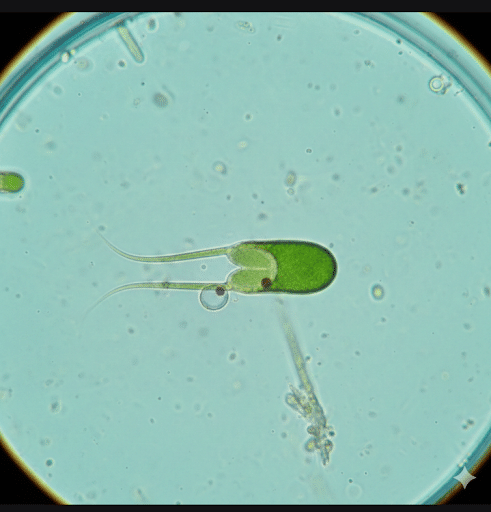
CHLAMYDIA UNDER MICROSCOPE
How Does Chlamydia Spread?
- Unprotected sexual intercourse
- Oral or anal sex
- From mother to baby during childbirth
- Multiple sexual partners
- Not using condoms regularly
Symptoms of Chlamydia
Most patients are asymptomatic, but when symptoms appear:
In Men
- Burning sensation while urinating
- White or watery discharge from penis
- Pain or swelling in testicles
- Rectal pain or discharge (if anal infection)
In Women
- Vaginal discharge
- Pain during urination
- Lower abdominal pain
- Pain during intercourse
- Abnormal vaginal bleeding
⚠️ Untreated chlamydia can cause serious complications, especially in women.
Complications of Chlamydia
In Women
- Pelvic Inflammatory Disease (PID)
- Infertility
- Ectopic pregnancy
- Chronic pelvic pain
In Men
- Epididymitis
- Reduced fertility (rare)
In Newborns
- Eye infection (conjunctivitis)
- Pneumonia
Diagnosis of Chlamydia
- Urine test
- Swab test (cervical, urethral, vaginal, rectal)
- NAAT (Nucleic Acid Amplification Test) – most accurate
Treatment of Chlamydia
Chlamydia is completely curable with antibiotics.
Commonly Used Medicines
- Azithromycin (single dose)
- Doxycycline (7 days course)
📌 Important Points
- Both partners must be treated
- Avoid sexual contact for 7 days after treatment
- Repeat testing after 3 months is advised
Prevention of Chlamydia
- Use condoms correctly every time
- Limit number of sexual partners
- Regular STI screening
- Treat both partners simultaneously
- Avoid sex during active infection
Frequently Asked Questions (FAQ)
1. Is chlamydia curable?
✅ Yes, chlamydia is completely curable with proper antibiotics.
2. Can chlamydia occur without symptoms?
Yes. More than 50–70% of infected people have no symptoms.
3. Can chlamydia cause infertility?
Yes, if untreated, especially in women.
4. How long does treatment take?
Usually 1–7 days, depending on the antibiotic used.
5. Can I get chlamydia again after treatment?
Yes, reinfection is possible if exposed again.
6. Is chlamydia dangerous?
If untreated, it can cause serious long-term complications.
7. Should my partner be treated even if asymptomatic?
Absolutely yes.
8. Can chlamydia be transmitted by sharing toilets?
❌ No. It spreads only through sexual contact.
9. Is chlamydia testing painful?
No. Urine and swab tests are simple and painless.
10. When should I get tested?
- After unprotected sex
- If symptoms appear
- Routine screening for sexually active individuals
Conclusion
Chlamydia is a common but silent STI. Early diagnosis and complete treatment prevent complications. Awareness, safe sex practices, and regular screening are the keys to prevention.




Thank you for information
Thank you
Good knowledge
🙏🙏