
Introduction
Chancroid is a sexually transmitted infection (STI) caused by the bacterium Haemophilus ducreyi. It is characterized by painful genital ulcers and may be associated with swollen lymph nodes in the groin. Although less common today due to improved sexual health awareness, chancroid remains an important public health concern in developing countries.
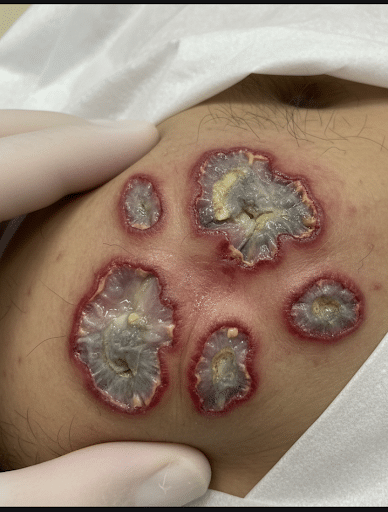
CHANCROID
NOTE :-
Early diagnosis and prompt treatment are essential to prevent complications and reduce transmission.
What is Chancroid?
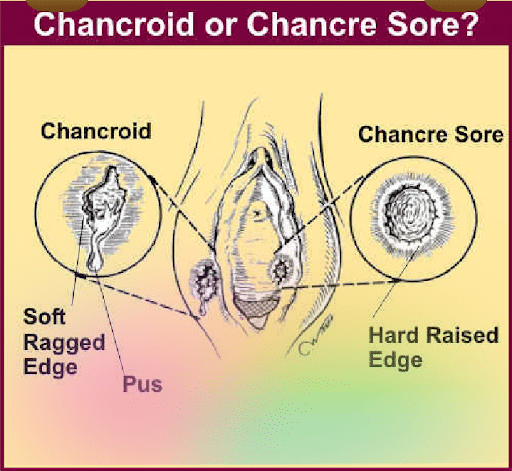
Chancroid is a bacterial STI that spreads through unprotected sexual contact with an infected person. The infection primarily affects the genital area and is known for causing soft, painful ulcers, unlike syphilis which usually causes painless sores.
Cause of Chancroid
- Caused by Haemophilus ducreyi, a gram-negative bacterium
- Transmitted through:
- Vaginal, anal, or oral sexual contact
- Contact with open sores
Symptoms of Chancroid
Symptoms usually appear 3–10 days after exposure.
In Men
- One or more painful genital ulcers
- Ulcers with ragged edges and soft base
- Painful swelling of groin lymph nodes (buboes)
- Pus discharge from ulcers
In Women
- Painful ulcers on:
- Vulva
- Cervix
- Vagina
- Pain during urination or intercourse
- Swollen groin lymph nodes
⚠️ NOTE :-
Some women may have mild or no symptoms, increasing the risk of unnoticed spread.
Complications
If untreated, chancroid may lead to:
- Chronic genital ulcers
- Ruptured lymph node abscesses
- Increased risk of HIV transmission
- Scarring of genital tissues
Diagnosis
Diagnosis is based on:
- Clinical examination of ulcers
- Exclusion of other STIs (syphilis, herpes)
- Laboratory tests (where available):
- Culture of H. ducreyi
- PCR tests (limited availability)
Treatment of Chancroid
Chancroid is curable with antibiotics.
Commonly Used Antibiotics
- Azithromycin (single dose)
- Ceftriaxone (single injection)
- Ciprofloxacin (3 days)
- Erythromycin (7 days)
🌼NOTE :-
Sexual partners should also be examined and treated.
Prevention
- Practice safe sex (use condoms)
- Avoid sexual contact with infected individuals
- Early testing and treatment of STIs
- Public awareness and sexual health education
Frequently Asked Questions (FAQ)
Q1. Is chancroid a common disease?
No. Chancroid is now relatively rare but still occurs in some developing regions.
Q2. Are chancroid ulcers painful?
Yes. Painful genital ulcers are a key feature of chancroid.
Q3. Can chancroid heal on its own?
No. Antibiotic treatment is necessary to cure the infection and prevent complications.
Q4. Is chancroid the same as syphilis?
No. Chancroid causes painful ulcers, while syphilis usually causes painless ulcers.
Q5. Can women have chancroid without symptoms?
Yes. Women may have mild or unnoticed symptoms.
Q6. Does chancroid increase HIV risk?
Yes. Open ulcers make it easier for HIV transmission.
Q7. Is chancroid completely curable?
Yes. With proper antibiotics, chancroid can be fully cured.
Conclusion
Chancroid is a treatable but potentially serious sexually transmitted infection that presents with painful genital ulcers and swollen lymph nodes. Early diagnosis, appropriate antibiotic therapy, and safe sexual practices are essential to control the disease and prevent complications. Awareness and timely medical care play a crucial role in reducing its spread and improving sexual health outcomes.




Thank you Ajay Singh because people are vegetated for saying to the others
Thank you for giving name of antibiotics