
Introduction
Lymphogranuloma venereum (LGV) is a sexually transmitted infection (STI) caused by specific strains of Chlamydia trachomatis. Unlike common chlamydial infections, LGV primarily affects the lymphatic system, leading to painful swelling of lymph nodes and chronic complications if left untreated. Though relatively rare, LGV is increasingly reported worldwide, especially among high-risk populations.
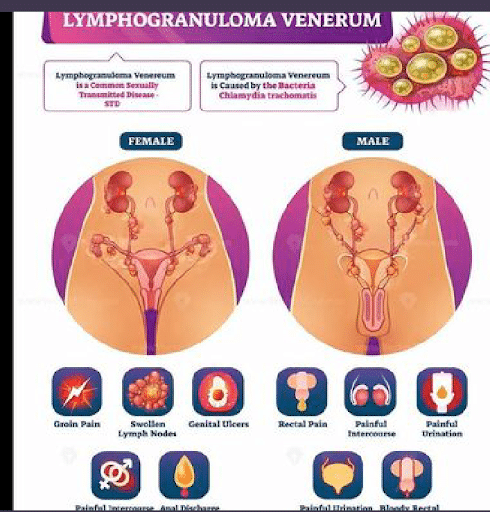
LYMPHOGRANULOMA VENEREUM
What is Lymphogranuloma Venereum?
LGV is caused by Chlamydia trachomatis serovars L1, L2, and L3. The infection typically begins at the site of sexual contact and then spreads to regional lymph nodes, causing inflammation and tissue damage.
Modes of Transmission
LGV is transmitted through:
- Unprotected vaginal, anal, or oral sex
- Direct contact with infected genital secretions
- Sexual contact with an infected person, even if symptoms are mild or absent
Stages and Symptoms of LGV
Stage 1: Primary Stage
- Small painless ulcer or papule at the site of infection
- Often unnoticed and heals spontaneously
Stage 2: Secondary Stage
- Painful swelling of lymph nodes (inguinal or femoral)
- Fever, chills, malaise
- Formation of buboes (enlarged, inflamed lymph nodes)
- Rectal symptoms (common in anal exposure): pain, discharge, bleeding
Stage 3: Late/Chronic Stage
- Chronic inflammation
- Genital swelling (elephantiasis)
- Fistula formation
- Rectal strictures and scarring
Diagnosis
LGV is diagnosed through:
- Nucleic acid amplification tests (NAAT) for Chlamydia trachomatis
- Serological testing
- Clinical examination and sexual history
- Rectal swabs in suspected anorectal LGV
NOTE :-
Early diagnosis is crucial to prevent complications.
Treatment
LGV is curable with appropriate antibiotics.
Standard Treatment
- Doxycycline 100 mg twice daily for 21 days
Alternative Options
- Erythromycin (for pregnant patients)
- Azithromycin (in selected cases)
Supportive care includes:
- Pain relief
- Drainage of large buboes (if required)
- Treatment of sexual partners
Prevention
- Consistent condom use
- Regular STI screening
- Early treatment of chlamydial infections
- Avoiding unprotected sexual contact with infected partners
- Partner notification and treatment
Complications
If untreated, LGV can lead to:
- Chronic lymphatic obstruction
- Genital deformities
- Infertility
- Increased risk of HIV transmission
- Permanent scarring and strictures
Frequently Asked Questions (FAQ)
Q1. Is LGV the same as chlamydia?
No. LGV is caused by specific invasive strains of Chlamydia trachomatis and is more severe than typical chlamydial infections.
Q2. Is LGV contagious?
Yes. LGV is highly contagious through sexual contact.
Q3. Can LGV be cured completely?
Yes. With timely antibiotic treatment, LGV can be completely cured.
Q4. Who is at higher risk for LGV?
Individuals with multiple sexual partners, unprotected sex, men who have sex with men (MSM), and people with HIV are at higher risk.
Q5. Can LGV recur after treatment?
Reinfection can occur if exposed again, but relapse after proper treatment is rare.
Q6. Is LGV dangerous if untreated?
Yes. Untreated LGV can cause permanent damage and serious complications.
Conclusion
Lymphogranuloma venereum is a serious but treatable sexually transmitted infection. Early recognition, accurate diagnosis, and prompt antibiotic therapy are essential to prevent long-term complications. Public awareness, safe sexual practices, and routine screening play a vital role in controlling the spread of LGV. Seeking medical care at the first sign of symptoms can ensure complete recovery and protect both individual and public health.




😍😍
😱😱
Shivanclinic
Shivam clinic
Excellent review with consultant