The Eightfold Path to Holistic Health
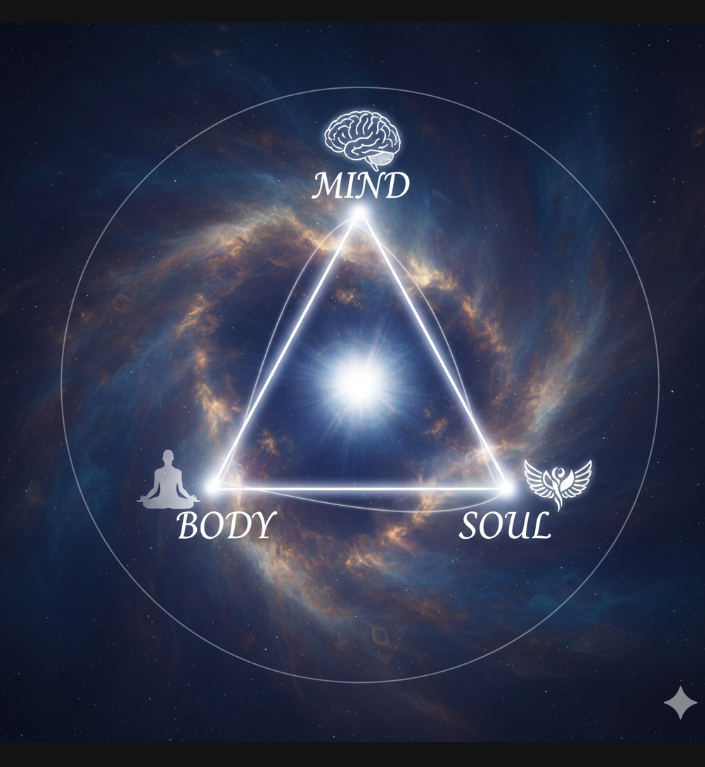
Ashtang Yoga is a classical and comprehensive system of yoga that guides individuals toward physical health, mental clarity, and spiritual growth. Rooted in ancient Indian philosophy, Ashtang Yoga offers a disciplined path for achieving balance between body, mind, and soul. The term “Ashtang” comes from Sanskrit, meaning “eight limbs”, which together form a complete yogic lifestyle.
Origin of Ashtang Yoga
Ashtang Yoga was described by Maharshi Patanjali in the ancient text Yoga Sutras. Unlike modern yoga styles that focus mainly on physical postures, Ashtang Yoga emphasizes ethical living, self-discipline, meditation, and wisdom along with physical practices.
The Eight Limbs of Ashtang Yoga
1. Yama (Moral Discipline)
Yama teaches social ethics and moral values:
- Ahimsa (non-violence)
- Satya (truthfulness)
- Asteya (non-stealing)
- Brahmacharya (self-control)
- Aparigraha (non-possessiveness)
2. Niyama (Personal Observances)
Niyama focuses on self-discipline:
- Saucha (cleanliness)
- Santosha (contentment)
- Tapas (discipline)
- Svadhyaya (self-study)
- Ishvara Pranidhana (surrender to the divine)
3. Asana (Postures)
Asanas strengthen the body, improve flexibility, and prepare the practitioner for meditation.
4. Pranayama (Breath Control)
Regulation of breath enhances lung capacity, calms the nervous system, and improves energy flow.
5. Pratyahara (Withdrawal of Senses)
This stage helps detach the mind from external distractions and turn inward.
6. Dharana (Concentration)
Dharana involves focused attention on a single point or object.
7. Dhyana (Meditation)
Continuous flow of concentration leading to deep meditation and inner awareness.
8. Samadhi (Ultimate Absorption)
A state of bliss, enlightenment, and unity with the higher consciousness.
Health Benefits of Ashtang Yoga
- Improves physical strength and flexibility
- Enhances mental focus and emotional balance
- Reduces stress, anxiety, and depression
- Supports healthy digestion and metabolism
- Promotes spiritual awareness and inner peace
Who Can Practice Ashtang Yoga?
Ashtang Yoga is suitable for people of all ages when practiced correctly. Beginners should start under the guidance of a trained yoga instructor, especially if they have health conditions.
FAQs on Ashtang Yoga
Q1. Is Ashtang Yoga different from Ashtanga Vinyasa Yoga?
Yes. Ashtang Yoga refers to the eightfold path described by Patanjali, while Ashtanga Vinyasa Yoga is a modern, physically intense style inspired by traditional principles.
Q2. How long does it take to see benefits?
With regular practice, physical benefits can be seen within a few weeks, while mental and spiritual benefits develop gradually.
Q3. Can beginners practice Ashtang Yoga?
Yes, beginners can start slowly by learning basic asanas, breathing techniques, and ethical principles.
Q4. Is Ashtang Yoga religious?
No. Ashtang Yoga is a spiritual discipline but not tied to any specific religion.
Q5. Can Ashtang Yoga help in stress management?
Absolutely. Pranayama, meditation, and ethical living together help reduce stress and improve mental peace.
Conclusion
Ashtang Yoga is not merely a physical exercise; it is a complete way of life. By integrating moral values, disciplined practices, breath control, and meditation, it leads to holistic well-being. Regular practice of Ashtang Yoga helps cultivate a healthy body, a calm mind, and a spiritually awakened life. Embracing the eight limbs of yoga can transform everyday living into a journey of self-realization and inner harmony.