INTRODUCTION
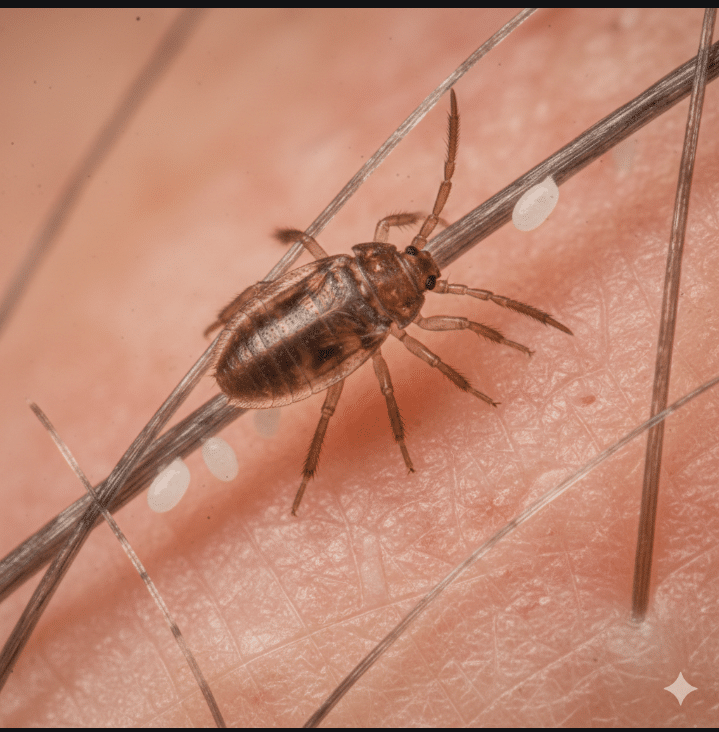
Pubic lice, commonly known as crabs, are tiny parasitic insects that infest coarse body hair—most commonly pubic hair, but they can also affect the armpits, chest, beard, eyebrows, and eyelashes. Pubic lice spread mainly through sexual contact and are considered a sexually transmitted infestation (STI).
PUBIC LICE
What is a Pubic Lice?
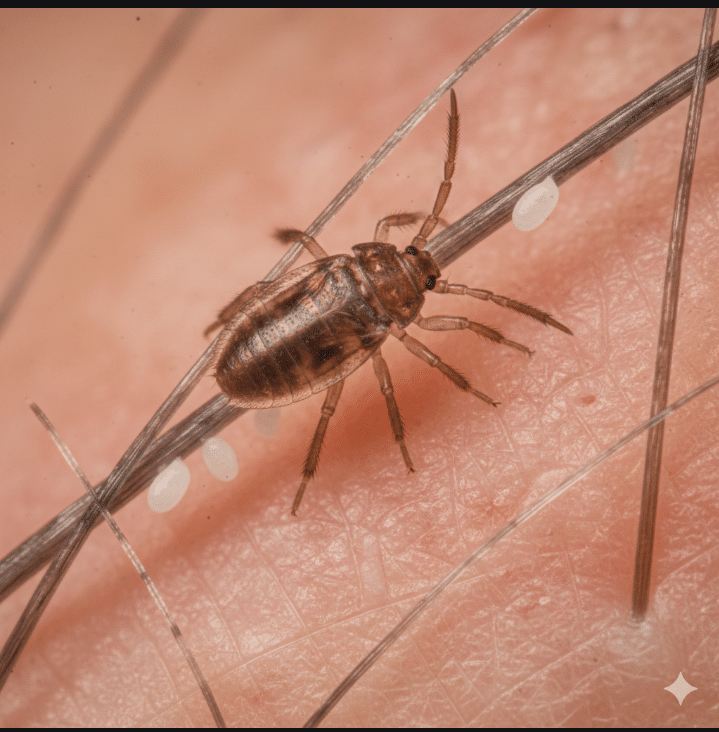
Pubic lice (Pthirus pubis) are small, crab-shaped parasites that live by feeding on human blood. They attach to hair shafts close to the skin and cause intense itching.
How Do Pubic Lice Spread?
- Sexual contact (most common)
- Close skin-to-skin contact
- Sharing infested towels, bedding, or clothing (rare)
- Not spread by toilet seats or casual contact
Signs & Symptoms
- Severe itching in the pubic area, especially at night
- Red or blue-gray bite marks on skin
- Visible lice or eggs (nits) attached to hair
- Skin irritation or secondary infection due to scratching
- In children, lice may be seen in eyelashes or eyebrows
Diagnosis
- Visual examination using magnifying lens
- Identification of lice or nits on hair
- Screening for other STDs is advised
Treatment of Pubic Lice
✔ Medicated creams or lotions (Permethrin 1% or Pyrethrins)
✔ Apply as directed and repeat after 7–10 days if needed
✔ Remove nits using a fine-toothed comb
✔ Wash clothes, towels, and bedding in hot water
✔ Sexual partners must be treated simultaneously
NOTE :-
Avoid sexual contact until treatment is completed.
Prevention Tips
- Practice safe sex
- Avoid sharing personal items
- Maintain good personal hygiene
- Regular STD screening if sexually active
Frequently Asked Questions (FAQ)
1. Is pubic lice an STD?
Yes, pubic lice are usually transmitted through sexual contact and are considered a sexually transmitted infestation.
2. Can pubic lice spread without sex?
Rarely, through shared towels or bedding, but sexual contact is the most common mode.
3. Do pubic lice cause serious health problems?
No, they do not cause serious disease but can lead to discomfort, skin infection, and emotional distress.
4. Can shaving remove pubic lice?
Shaving alone is not enough. Medicated treatment is necessary to kill lice and eggs.
5. Can pubic lice live on the head?
No, pubic lice are different from head lice and usually infest coarse body hair.
6. Should my partner also get treated?
Yes. All recent sexual partners should be treated at the same time.
7. Can pubic lice come back?
Yes, reinfestation can occur if partners or contaminated items are not treated properly.
8. When should I see a doctor?
- Severe itching or skin infection
- Lice on eyelashes or eyebrows
- Recurrent infestation
- Concern about other STDs
CONCLUSION
Pubic lice are treatable and preventable. Early diagnosis, proper medication, and partner treatment ensure complete recovery.