⭐INTRODUCTION
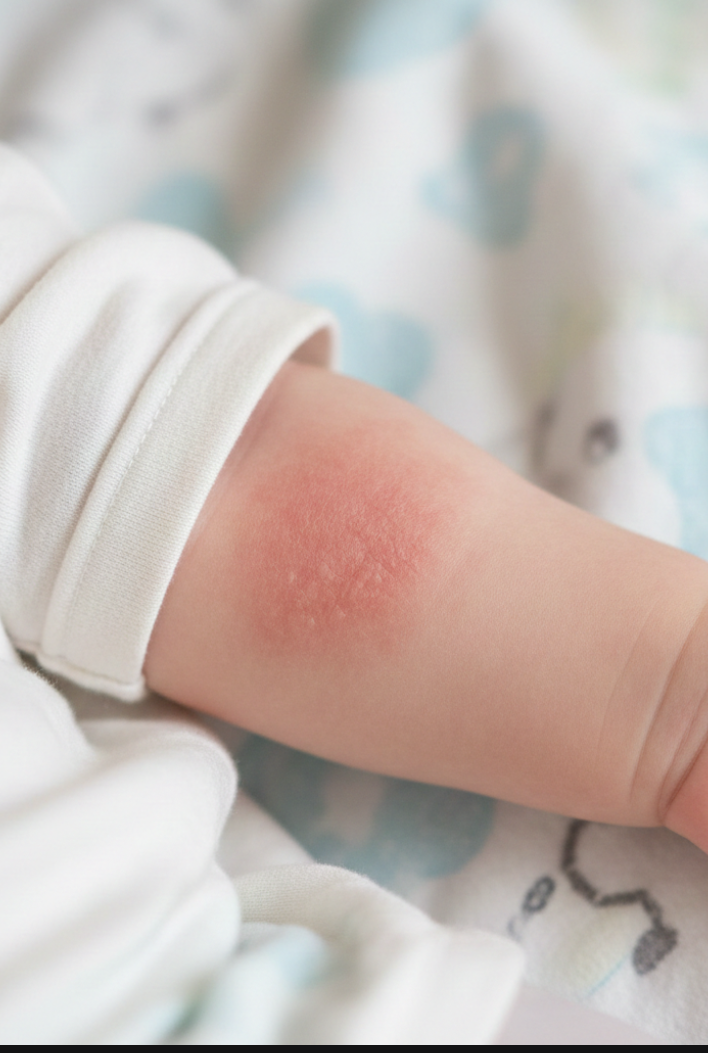
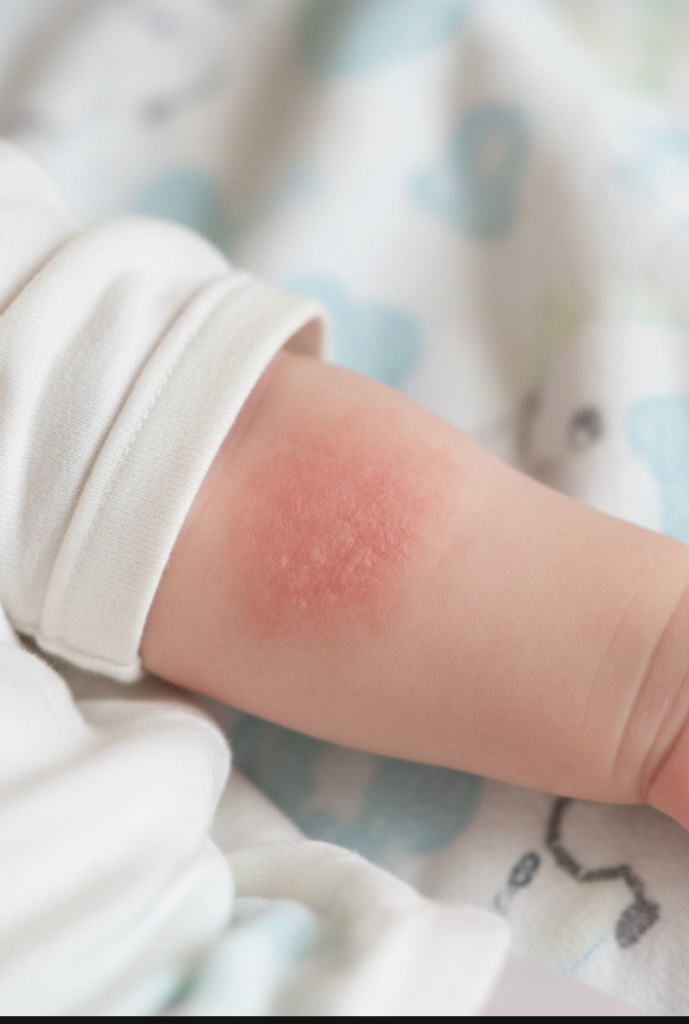
Infantile eczema, also known as atopic dermatitis, is a common skin condition seen in babies and young children. It often causes dry, red, itchy, and inflamed skin, which can be distressing for both the baby and parents. Although eczema is not contagious, it tends to be chronic with periods of flare-ups and remission.
INFANTIL ECZEMA
NOTE :-
Understanding the causes, symptoms, and proper care can help parents manage the condition effectively and keep their baby comfortable.
⭐What Is Infantile Eczema?
Infantile eczema usually begins between 2–6 months of age and may continue into early childhood. It occurs due to a combination of genetic factors, immune system sensitivity, and a weakened skin barrier, which allows moisture to escape and irritants to enter the skin.
Babies with a family history of eczema, asthma, or allergic rhinitis (hay fever) are at a higher risk.
⭐Common Symptoms
Symptoms can vary in severity and may come and go. Common signs include:
- Dry, rough, or scaly skin
- Red or inflamed patches
- Intense itching (may cause irritability and disturbed sleep)
- Oozing or crusting in severe cases
- Thickened skin with repeated scratching (in older infants)
⭐Commonly Affected Areas
In infants, eczema typically appears on:
- Cheeks and face
- Scalp
- Forehead
- Arms and legs
- Trunk
(The diaper area is usually spared)
⭐Causes and Triggers
While the exact cause is unknown, common triggers include:
- Dry weather or cold climate
- Heat and sweating
- Harsh soaps, detergents, or fragrances
- Wool or synthetic clothing
- Food allergies (in some infants)
- Dust mites and environmental allergens
- Stress or illness
🌺Diagnosis
Infantile eczema is usually diagnosed clinically by a doctor based on:
- Appearance of the rash
- Age of the child
- Family history of allergies
NOTE :-
No routine blood tests are required unless food allergy is suspected.
🌹Treatment and Management
Although there is no permanent cure, eczema can be well controlled with proper care.
1. Moisturizing the Skin
- Use thick, fragrance-free emollients multiple times a day
- Apply immediately after bathing (within 3 minutes)
2. Bathing Tips
- Short baths with lukewarm water
- Use mild, soap-free cleansers
- Avoid scrubbing the skin
3. Topical Medications
- Mild topical corticosteroids during flare-ups (only under medical guidance)
- Non-steroidal creams in sensitive areas if prescribed
4. Avoid Triggers
- Dress the baby in soft cotton clothes
- Avoid overheating
- Use gentle detergents for clothes
5. Infection Control
- If skin shows signs of infection (pus, yellow crusts, fever), consult a doctor promptly
💐Frequently Asked Questions (FAQs)
Q1. Is infantile eczema contagious?
No. Eczema is not contagious and cannot spread from one person to another.
Q2. Will my baby outgrow eczema?
Many children improve significantly by 2–5 years of age, though some may continue to have eczema or develop other allergic conditions later.
Q3. Can food cause eczema?
Food allergies can trigger flare-ups in some infants, especially eggs, milk, or peanuts. Dietary changes should only be done under medical supervision.
Q4. Are steroid creams safe for babies?
When used correctly and for short durations under a doctor’s advice, mild steroid creams are safe and effective.
Q5. Can breastfeeding help prevent eczema?
Breastfeeding may reduce the risk or severity of eczema in some infants, but it does not guarantee prevention.
Q6. How often should I moisturize my baby’s skin?
At least 2–3 times daily, and more often if the skin is very dry.
🌺Conclusion
Infantile eczema is a common but manageable condition. With early diagnosis, regular moisturizing, avoidance of triggers, and appropriate medical treatment, most babies can remain comfortable and lead a normal life. Parental awareness and consistent skincare play a crucial role in controlling flare-ups and improving the baby’s quality of life.
NOTE :-
If symptoms are severe, persistent, or associated with infection, always consult a pediatrician or dermatologist for proper guidance.