⭐INTRODUCTION
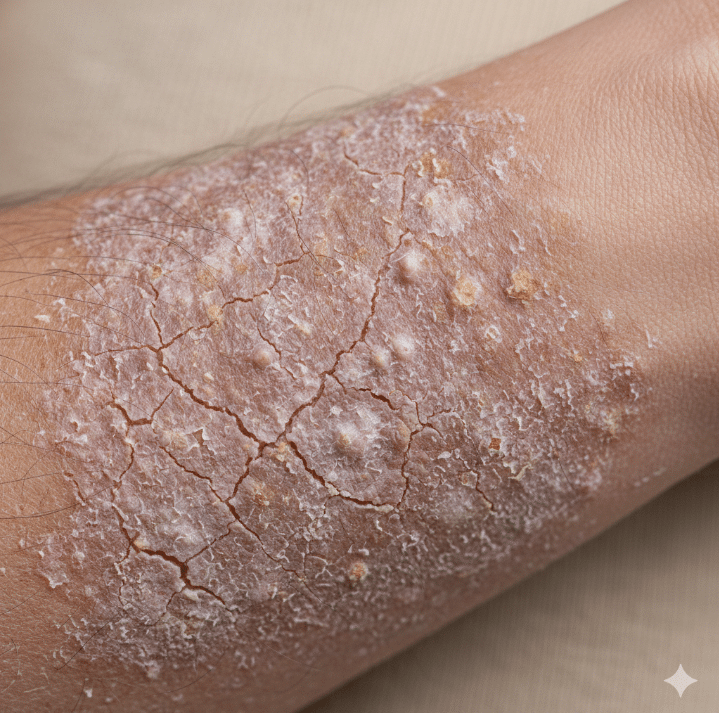
Xerotic eczema, also known as asteatotic eczema, is a common skin condition characterized by extreme dryness, scaling, and itching. It occurs when the skin loses its natural oils and moisture, leading to cracks and inflammation. This condition is more common in winter months, in older adults, and in people with dry or sensitive skin.
XEROTIC ECZEMA
🌺What Is Xerotic Eczema?
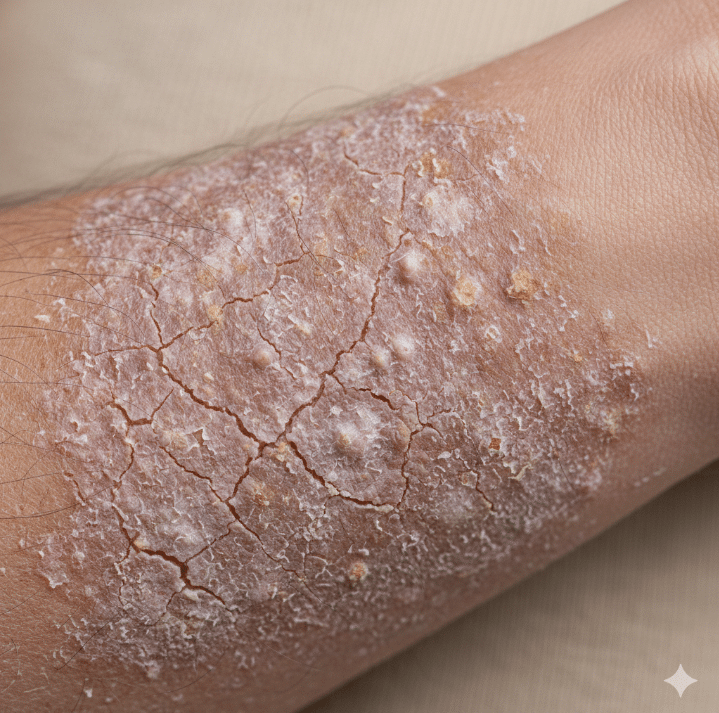
Xerotic eczema develops when the skin barrier becomes weak due to lack of moisture. Without enough natural oils, the skin cannot protect itself, resulting in dryness, irritation, and sometimes painful fissures. It often affects the legs, arms, hands, and trunk.
🌺Causes of Xerotic Eczema
Several factors can trigger or worsen xerotic eczema:
– Cold and dry weather
– Excessive bathing or hot showers
– Use of harsh soaps and detergents
– Aging skin with reduced oil production
– Dehydration
– Medical conditions like hypothyroidism or kidney disease
– Poor skin care routine
🌺Symptoms of Xerotic Eczema
Common signs and symptoms include:
– Very dry, rough, or flaky skin
– Fine cracks that may look like a “dry riverbed” pattern
– Itching, sometimes severe
– Redness and mild swelling
– Burning or stinging sensation
– Painful fissures in severe cases
🌺Who Is at Risk?
– Elderly individuals
– People living in cold or low-humidity areas
– Those with a history of eczema or allergies
– People who frequently wash their hands or bathe excessively
🌺Diagnosis
Xerotic eczema is usually diagnosed through clinical examination. In most cases, no special tests are required. A doctor may ask about skin care habits, environment, and medical history to rule out other skin conditions.
🌺Treatment and Management
Managing xerotic eczema focuses on restoring skin moisture and repairing the skin barrier.
1. Moisturizers
– Use thick emollients like petroleum jelly, ceramide creams, or urea-based moisturizers
– Apply immediately after bathing
2. Gentle Skin Care
– Avoid hot water; use lukewarm water
– Choose mild, fragrance-free cleansers
– Limit bathing time
3. Medications
– Mild topical corticosteroids for inflammation (short-term, doctor-prescribed)
– Antihistamines if itching disturbs sleep
4. Lifestyle Measures
– Use a humidifier in dry environments
– Wear soft cotton clothing
– Stay well hydrated
🌺Frequently Asked Questions (FAQ)
Q1. Is xerotic eczema contagious?
No. Xerotic eczema is not contagious. It is related to dry skin and skin barrier damage.
Q2. Can xerotic eczema be cured permanently?
It cannot always be cured permanently, but it can be well controlled with proper skin care and regular moisturization.
Q3. Is xerotic eczema the same as atopic eczema?
No. Xerotic eczema is mainly due to dryness, while atopic eczema is related to immune and allergic factors. However, both can coexist.
Q4. Does diet affect xerotic eczema?
Indirectly, yes. Poor hydration and lack of essential fatty acids may worsen dryness. Drinking enough water and maintaining a balanced diet helps.
Q5. When should I see a doctor?
If symptoms are severe, painful, infected, or not improving with moisturizers, medical advice is recommended.
🌺 CONCLUSION
Xerotic eczema is a common but manageable skin condition caused primarily by excessive dryness. With consistent moisturization, gentle skin care, and lifestyle adjustments, most people can achieve significant relief. Early care and prevention play a key role in avoiding flare-ups and maintaining healthy, comfortable skin.