Introduction
Acanthosis nigricans is a common skin condition characterized by dark, thick, velvety patches of skin, usually found in body folds. While it is not dangerous or contagious, it often serves as an important warning sign of underlying health problems, especially insulin resistance and obesity. Early recognition can help in timely diagnosis and management of associated conditions.
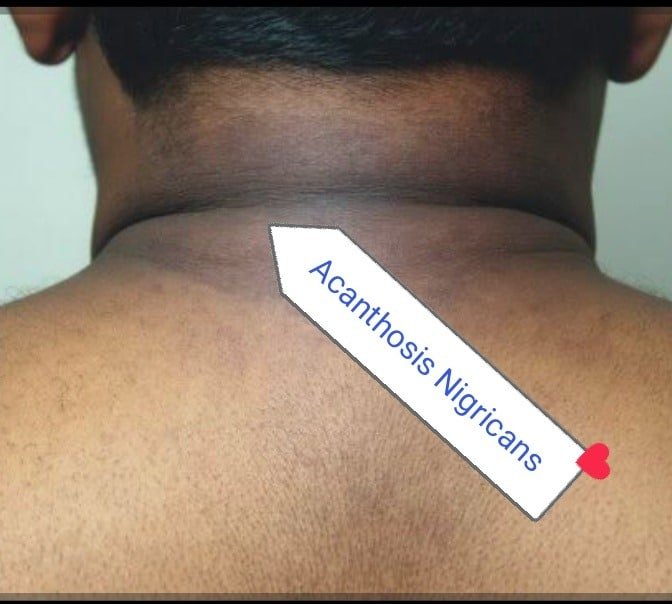
ACANTHOSIS NIGRICANS
What is Acanthosis Nigricans?
Acanthosis nigricans (AN) is a skin disorder in which the skin becomes hyperpigmented, thickened, and velvety in texture. It most commonly affects:
- Neck
- Armpits (axillae)
- Groin
- Under breasts
- Elbows, knees, and knuckles (less common)
Causes of Acanthosis Nigricans
The condition develops due to increased insulin levels or growth factor stimulation of skin cells.
Common causes include:
- Insulin resistance (most common cause)
- Type 2 diabetes mellitus
- Obesity
- Polycystic ovary syndrome (PCOS)
- Hormonal disorders (Cushing syndrome, hypothyroidism)
- Certain medications (oral contraceptives, steroids, niacin)
- Genetic factors
Rare cause:
- Malignancy-associated acanthosis nigricans, usually linked to gastric cancer (sudden onset, extensive, in older adults)
Symptoms
- Dark brown or black discoloration
- Thickened, velvety skin
- Mild itching or odor in skin folds (occasionally)
- Gradual onset in most cases
Who is at Risk?
- Overweight or obese individuals
- People with diabetes or prediabetes
- Patients with PCOS
- Those with a family history of insulin resistance
- Individuals on long-term hormonal medications
Diagnosis
Acanthosis nigricans is usually diagnosed clinically by skin examination. Additional tests may be required to identify the underlying cause:
- Fasting blood glucose
- HbA1c
- Serum insulin levels
- Lipid profile
- Hormonal tests (if indicated)
Treatment and Management
There is no specific cure, but treatment focuses on addressing the underlying cause.
Medical management:
- Weight reduction
- Control of blood sugar levels
- Treatment of hormonal imbalance
- Stopping offending medications (if possible)
Topical treatment (for cosmetic improvement):
- Keratolytics (salicylic acid, urea)
- Topical retinoids
- Mild chemical peels
- Moisturizers
Lifestyle changes:
- Healthy diet
- Regular exercise
- Weight loss
- Good skin hygiene
Prognosis
When the underlying condition is treated, acanthosis nigricans often improves or fades. Early intervention gives better cosmetic and health outcomes.
Frequently Asked Questions (FAQ)
1. Is acanthosis nigricans a disease?
No, it is a sign of an underlying condition, not a disease by itself.
2. Is acanthosis nigricans contagious?
No, it is not contagious.
3. Can acanthosis nigricans be cured completely?
It can improve significantly if the underlying cause (like obesity or diabetes) is controlled.
4. Does acanthosis nigricans always mean diabetes?
Not always, but it is strongly associated with insulin resistance and should not be ignored.
5. Can children get acanthosis nigricans?
Yes, especially overweight children, and it may indicate future risk of diabetes.
6. Is acanthosis nigricans dangerous?
The skin condition itself is harmless, but it may signal serious metabolic problems.
Conclusion
Acanthosis nigricans is more than just a cosmetic skin issue—it is often a visible marker of internal metabolic imbalance, especially insulin resistance. Early identification, lifestyle modification, and proper medical care can not only improve skin appearance but also prevent long-term complications like diabetes and cardiovascular disease. If you notice sudden or widespread darkening of skin, medical evaluation is essential.