
⭐Introduction
Nodulocystic acne is one of the most severe and painful forms of acne. Unlike common pimples, it develops deep beneath the skin and often leads to long-term scarring if not treated properly. This condition can affect not only physical appearance but also emotional well-being and self-confidence. Early diagnosis and appropriate medical treatment are crucial for effective management.
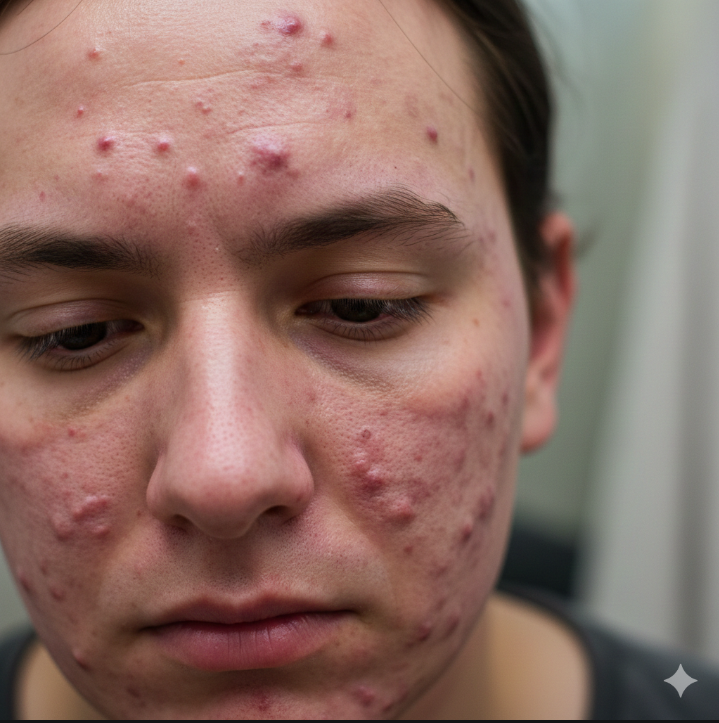
NODULOCYSTIC ACNE
⭐What is Nodulocystic Acne?
Nodulocystic acne is a severe inflammatory acne characterized by large, hard nodules and pus-filled cysts that form deep within the skin. These lesions are often tender, painful, and do not respond well to over-the-counter acne treatments.
It commonly appears on:
- Face
- Chest
- Back
- Shoulders
⭐Causes of Nodulocystic Acne
Several factors contribute to the development of nodulocystic acne:
- Hormonal Imbalance – Excess androgens increase oil (sebum) production.
- Excess Sebum Production – Clogs pores deeply.
- Bacterial Infection – Especially Cutibacterium acnes.
- Genetics – Family history increases risk.
- Stress – Triggers hormonal changes.
- Certain Medications – Steroids or hormonal drugs.
⭐Symptoms
- Large, deep, painful lumps under the skin
- Red or inflamed nodules
- Pus-filled cysts
- Tenderness and swelling
- High risk of permanent scarring
⭐Complications
If untreated, nodulocystic acne can lead to:
- Permanent scars (ice-pick, boxcar, rolling scars)
- Dark spots (post-inflammatory hyperpigmentation)
- Emotional distress, anxiety, and low self-esteem
⭐Diagnosis
A dermatologist diagnoses nodulocystic acne through:
- Clinical examination
- Review of medical and family history
- Hormonal tests (in some cases)
🌺Treatment Options
Nodulocystic acne requires medical treatment. Common options include:
1. Oral Isotretinoin
- Most effective treatment
- Reduces oil glands permanently
- Requires medical supervision
2. Oral Antibiotics
- Doxycycline or minocycline
- Reduces bacteria and inflammation
3. Hormonal Therapy
- Oral contraceptives or anti-androgens (especially in women)
4. Corticosteroid Injections
- Used for large, painful cysts
- Reduces inflammation quickly
5. Topical Treatments
- Retinoids
- Benzoyl peroxide (as supportive therapy)
👍Lifestyle & Skincare Tips
- Use gentle, non-comedogenic products
- Avoid squeezing or picking acne
- Maintain a balanced diet
- Manage stress with yoga or meditation
- Follow dermatologist instructions strictly
👍Frequently Asked Questions (FAQ)
Q1. Is nodulocystic acne curable?
It is not permanently “curable,” but it can be effectively controlled and cleared with proper medical treatment.
Q2. Can home remedies treat nodulocystic acne?
No. Home remedies may worsen the condition. Professional treatment is necessary.
Q3. Does nodulocystic acne leave scars?
Yes, if untreated or improperly handled, it often leads to permanent scarring.
Q4. Who is more prone to nodulocystic acne?
Teenagers, young adults, and people with hormonal imbalances or family history.
Q5. How long does treatment take?
Treatment duration varies, but isotretinoin therapy usually lasts 4–6 months.
⭐Conclusion
Nodulocystic acne is a severe skin condition that demands timely and professional care. Ignoring it or relying solely on home remedies can result in permanent scars and emotional distress. With early diagnosis, proper medication, and consistent dermatological follow-up, nodulocystic acne can be effectively managed, restoring both skin health and self-confidence. If you or someone you know is struggling with severe acne, consulting a dermatologist is the most important step toward clear and healthy skin.




Thank you for giving face problems solution.