⭐Introduction
Psoriasis is a chronic autoimmune skin condition that causes the skin to grow faster than normal. This leads to the formation of thick, red patches covered with silvery-white scales. It is not contagious, but it can affect a person’s physical comfort, emotional well-being, and quality of life.
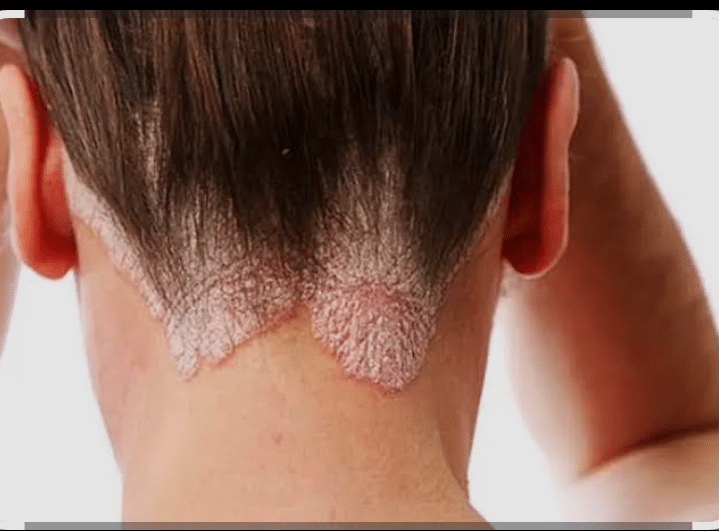
PSORIASIS
⭐What is Psoriasis?
Psoriasis occurs when the immune system mistakenly attacks healthy skin cells. This speeds up the skin cell life cycle, causing cells to build up on the surface instead of shedding naturally. The condition often follows a relapsing and remitting pattern, meaning symptoms can flare up and then improve.
⭐Common Types of Psoriasis
- Plaque Psoriasis – Most common type; red patches with silvery scales
- Guttate Psoriasis – Small, drop-like lesions, often after infections
- Inverse Psoriasis – Smooth red patches in skin folds
- Pustular Psoriasis – White pustules surrounded by red skin
- Erythrodermic Psoriasis – Severe, widespread redness and scaling
💐Symptoms of Psoriasis
- Red, inflamed skin patches
- Silvery or white scales
- Dry, cracked skin that may bleed
- Itching, burning, or soreness
- Thickened or ridged nails
- Joint pain (in psoriatic arthritis)
⭐Causes and Risk Factors
- Genetic predisposition
- Immune system dysfunction
- Stress
- Skin injuries
- Infections (especially throat infections)
- Smoking and alcohol consumption
- Cold weather
⭐Diagnosis
Psoriasis is usually diagnosed through clinical examination. In some cases, a skin biopsy may be done to confirm the diagnosis and rule out other skin conditions.
🌹Treatment Options
While there is no permanent cure, psoriasis can be effectively managed through:
- Topical treatments (moisturizers, medicated creams)
- Phototherapy (controlled exposure to UV light)
- Oral or injectable medications for moderate to severe cases
- Lifestyle changes such as stress management and healthy diet
⭐Lifestyle and Self-Care Tips
- Keep skin well moisturized
- Avoid known triggers
- Manage stress through yoga or meditation
- Follow a balanced diet
- Avoid scratching affected areas
💐Frequently Asked Questions (FAQ)
Q1. Is psoriasis contagious?
No, psoriasis is not contagious and cannot spread through touch.
Q2. Can psoriasis be cured permanently?
There is no permanent cure, but symptoms can be controlled with proper treatment.
Q3. Does psoriasis affect only the skin?
No, it can also affect nails and joints, leading to psoriatic arthritis.
Q4. Can stress worsen psoriasis?
Yes, stress is a common trigger and can worsen flare-ups.
Q5. Is psoriasis related to diet?
Diet does not cause psoriasis, but healthy eating may help reduce inflammation.
Q6. Can children get psoriasis?
Yes, psoriasis can occur at any age, including childhood.
🌺Conclusion
Psoriasis is a long-term but manageable condition. With early diagnosis, proper treatment, and healthy lifestyle choices, individuals can significantly reduce symptoms and improve their quality of life. Awareness, consistency in care, and emotional support play a vital role in living confidently with psoriasis.