⭐INTRODUCTION
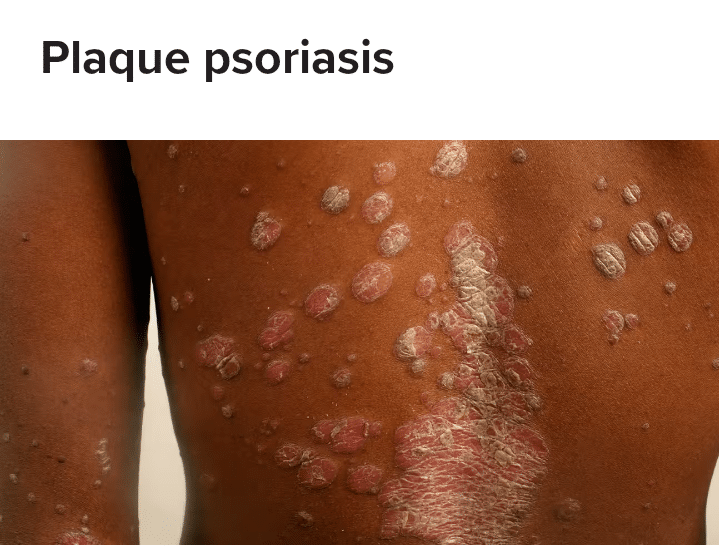
Plaque psoriasis is the most common form of psoriasis, a chronic autoimmune skin condition. It appears as raised, red patches covered with silvery-white scales and can significantly affect both physical comfort and emotional well-being. Although it is not contagious, plaque psoriasis requires long-term care and lifestyle awareness.
⭐What Is Plaque Psoriasis?
Plaque psoriasis occurs when the immune system becomes overactive and speeds up the life cycle of skin cells. Normally, skin cells renew every 28–30 days, but in plaque psoriasis this happens in just a few days. As a result, dead skin cells build up on the surface, forming thick, scaly plaques.
⭐Common Symptoms
- Red, inflamed patches of skin
- Silvery-white scales on plaques
- Dry, cracked skin that may bleed
- Itching, burning, or soreness
- Thickened or pitted nails (in some cases)
NOTE :-
Plaques most often appear on the elbows, knees, scalp, lower back, and palms, but they can develop anywhere on the body.
⭐Causes and Risk Factors
While the exact cause is not fully known, plaque psoriasis is linked to:
- Immune system dysfunction
- Genetic predisposition
- Triggers, such as:
- Stress
- Cold or dry weather
- Skin injuries
- Infections
- Smoking and alcohol
- Certain medications
🌺Diagnosis
Plaque psoriasis is usually diagnosed through:
- Physical examination of the skin
- Medical and family history
- Skin biopsy (in rare or unclear cases)
⭐Treatment and Management
There is no permanent cure, but symptoms can be effectively managed through:
1. Topical Treatments
- Corticosteroid creams
- Vitamin D analogues
- Moisturizers to reduce dryness and scaling
2. Systemic Treatments
- Oral or injectable medicines for moderate to severe cases
- Immune-modulating therapies
3. Phototherapy
- Controlled exposure to ultraviolet (UV) light under medical supervision
4. Lifestyle and Holistic Care
- Stress management (yoga, meditation, breathing exercises)
- Balanced diet with anti-inflammatory foods
- Avoiding smoking and excessive alcohol
- Regular skin hydration
💐Frequently Asked Questions (FAQs)
Q1. Is plaque psoriasis contagious?
No, plaque psoriasis is not contagious. It cannot spread through touch or sharing personal items.
Q2. Can plaque psoriasis be cured permanently?
Currently, there is no permanent cure, but many people achieve long-term symptom control with proper treatment and lifestyle changes.
Q3. Does diet affect plaque psoriasis?
Yes. A healthy diet rich in fruits, vegetables, whole grains, and omega-3 fatty acids may help reduce inflammation and flare-ups.
Q4. Can stress worsen plaque psoriasis?
Absolutely. Stress is one of the most common triggers and can worsen symptoms or cause flare-ups.
Q5. Is plaque psoriasis only a skin disease?
No. It is a systemic inflammatory condition and may be associated with joint problems (psoriatic arthritis) and other health issues.
🌺Conclusion
Plaque psoriasis is a lifelong condition, but it does not have to control your life. With early diagnosis, proper medical treatment, and supportive lifestyle practices, symptoms can be significantly reduced and quality of life improved. Awareness, self-care, and consistency are key. If symptoms persist or worsen, consulting a healthcare professional is essential for personalized management.