
⭐Introduction
Drug-induced rashes are skin reactions caused by medicines. While some rashes are mild and disappear after stopping the medicine, others may become serious and need urgent medical care. Many people know about common allergic rashes, but there are also other drug-induced rashes that may appear in different forms such as redness, itching, blisters, peeling skin, or dark patches.
Understanding these rashes can help in early diagnosis and proper treatment.
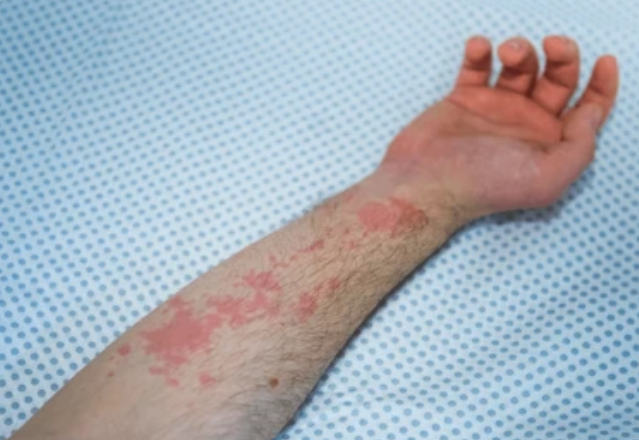
OTHER DRUG INDUCED RASHES
⭐What Are Other Drug-Induced Rashes?
Other drug-induced rashes are skin eruptions caused by medicines that do not fall under simple allergy hives or common side effects. These reactions happen because the body reacts to the medicine, its chemicals, or immune system changes.
They may appear days, weeks, or even months after starting a drug.
⭐Common Medicines That Can Cause Rashes
Some medicines more commonly linked to rashes include:
- Antibiotics
- Painkillers (NSAIDs)
- Anti-seizure medicines
- Sulfa drugs
- Blood pressure medicines
- Anti-fungal drugs
- Chemotherapy drugs
- Diabetes medicines
- Vaccines (rarely)
⭐Types of Other Drug-Induced Rashes
1. Maculopapular Rash
The most common drug rash. It appears as flat red spots with small bumps.
Symptoms:
- Red patches
- Itching
- Mild fever sometimes
2. Fixed Drug Eruption
A round dark red or purple patch that returns to the same place whenever the medicine is taken again.
Common Areas:
- Lips
- Hands
- Genitals
- Face
3. Photosensitive Rash
Occurs when a medicine makes the skin sensitive to sunlight.
Symptoms:
- Redness after sun exposure
- Burning
- Peeling
4. Acneiform Rash
Looks like acne or pimples caused by drugs such as steroids or targeted therapy medicines.
5. Exfoliative Dermatitis
A severe rash where skin becomes red, swollen, and peels widely.
Needs urgent treatment.
6. Vasculitic Rash
Inflammation of blood vessels causing purple spots or ulcers.
7. Severe Drug Reactions
Some rare but dangerous conditions include:
- Stevens-Johnson Syndrome (SJS)
- Toxic Epidermal Necrolysis (TEN)
- DRESS Syndrome
These need emergency medical attention.
⭐Symptoms of Drug-Induced Rashes
Symptoms may include:
- Red spots
- Itching
- Burning sensation
- Swelling
- Blisters
- Dark patches
- Peeling skin
- Fever
- Mouth ulcers
⭐How Are Drug Rashes Diagnosed?
Doctors may diagnose by:
- Reviewing medicine history
- Physical examination
- Blood tests
- Skin biopsy (if needed)
- Allergy history
⭐Treatment of Drug-Induced Rashes
Treatment depends on severity.
Mild Cases:
- Stop the suspected medicine (only after doctor advice)
- Antihistamines
- Calamine lotion
- Mild steroid creams
Moderate to Severe Cases:
- Oral steroids
- Hospital care
- IV fluids
- Wound care
- Specialist consultation
⭐Prevention Tips
- Inform doctor about previous allergies
- Keep a record of reactions
- Avoid self-medication
- Read medicine labels
- Start new medicines carefully
👍Frequently Asked Questions (FAQ)
1. How long does a drug rash last?
Mild rashes often improve within a few days to 2 weeks after stopping the medicine.
2. Can all medicines cause rashes?
Almost any medicine can cause a rash, but some are more common triggers.
3. Is every drug rash an allergy?
No. Some are allergic, while others happen due to side effects or immune reactions.
4. When should I see a doctor immediately?
See a doctor urgently if you have:
- Fever
- Blisters
- Skin peeling
- Swelling of face
- Trouble breathing
- Mouth sores
5. Can I take the same medicine again later?
Not without medical advice. Some reactions become worse on repeat exposure.
6. Are drug rashes contagious?
No, drug rashes are not contagious.
🌺Conclusion
Other drug-induced rashes can range from mild redness to severe life-threatening skin reactions. Early recognition, stopping the offending medicine, and timely medical care are important for recovery. Never ignore a rash that appears after starting a new medicine, especially if it comes with fever, blisters, or swelling. Always consult a healthcare professional for safe treatment and prevention.