Introduction
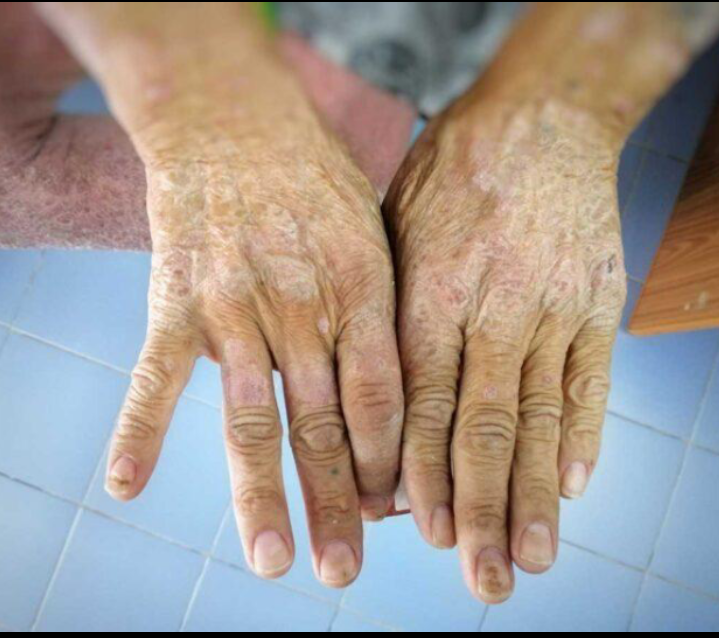
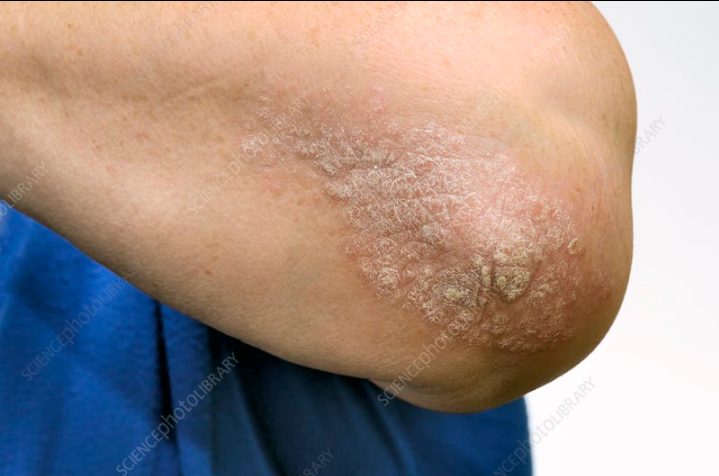
is a rare skin condition caused mainly by a deficiency of Vitamin A in the body. It is also known as toad skin because the skin becomes rough, dry, and bumpy, similar to the texture of a toad’s skin. This condition commonly affects children and people suffering from malnutrition, poor diet, or absorption disorders.
Vitamin A plays an important role in maintaining healthy skin, vision, and immunity. When the body lacks this essential vitamin, the skin loses its smoothness and elasticity, resulting in Rhenoderma.
RHENODERMA
Causes of Rhenoderma
The major causes of Rhenoderma include:
- Vitamin A Deficiency – The most common cause.
- Malnutrition – Poor intake of nutritious food.
- Digestive Disorders – Diseases that reduce nutrient absorption.
- Chronic Illnesses – Long-term infections or liver diseases.
- Poor Dietary Habits – Lack of fruits, vegetables, milk, and eggs.
Symptoms of Rhenoderma
Common symptoms of Rhenoderma are:
- Rough and dry skin
- Small hard bumps on the skin
- Darkened or thickened patches
- Itching and irritation
- Cracked skin in severe cases
- Dry eyes or poor night vision due to Vitamin A deficiency
The condition usually appears on the elbows, knees, thighs, and arms.
Diagnosis
Doctors diagnose Rhenoderma through:
- Physical examination of the skin
- Medical and dietary history
- Blood tests to check Vitamin A levels
- Nutritional assessment
Early diagnosis helps prevent complications.
Treatment of Rhenoderma
Treatment mainly focuses on correcting Vitamin A deficiency.
1. Vitamin A Supplements
Doctors may prescribe Vitamin A capsules or medicines.
2. Healthy Diet
Foods rich in Vitamin A should be included, such as:
- Carrots
- Spinach
- Mangoes
- Papaya
- Milk and butter
- Eggs
- Fish liver oil
3. Skin Care
- Use moisturizing creams
- Avoid harsh soaps
- Keep the skin hydrated
4. Treat Underlying Diseases
Digestive or nutritional disorders should also be treated properly.
Prevention Tips
Rhenoderma can often be prevented by maintaining a healthy lifestyle:
- Eat a balanced diet
- Include Vitamin A-rich foods regularly
- Maintain proper hygiene
- Get regular health checkups
- Avoid severe malnutrition
Frequently Asked Questions (FAQ)
1. Is Rhenoderma contagious?
No, Rhenoderma is not contagious. It does not spread from one person to another.
2. What vitamin deficiency causes Rhenoderma?
Rhenoderma is mainly caused by a deficiency of Vitamin A.
3. Can Rhenoderma be cured?
Yes, with proper nutrition, Vitamin A supplements, and skin care, the condition can improve significantly.
4. Who is most at risk of Rhenoderma?
Children, malnourished individuals, and people with poor diets are more likely to develop Rhenoderma.
5. Which foods help prevent Rhenoderma?
Carrots, green leafy vegetables, mangoes, eggs, milk, and fish are helpful because they are rich in Vitamin A.
6. Is Rhenoderma dangerous?
If left untreated, Vitamin A deficiency may lead to serious health problems, including vision issues and weakened immunity.
Conclusion
is a nutritional skin disorder mainly linked to Vitamin A deficiency. Although it causes rough and dry skin, it can usually be treated and prevented through proper nutrition, supplements, and healthy lifestyle habits. Early diagnosis and a balanced diet are essential for maintaining healthy skin and overall well-being.