NOTE :-
Understanding the Hidden Cause of Tiredness and Pale Appearance
INTRODUCTION
Pale skin is often a sign that the body is lacking essential nutrients. One important nutrient linked to pale skin is Folate, also known as Vitamin B9 or Folic Acid. Folate helps the body produce healthy red blood cells. When the body does not get enough folate, it may lead to anemia, causing the skin to look pale, dull, and unhealthy.
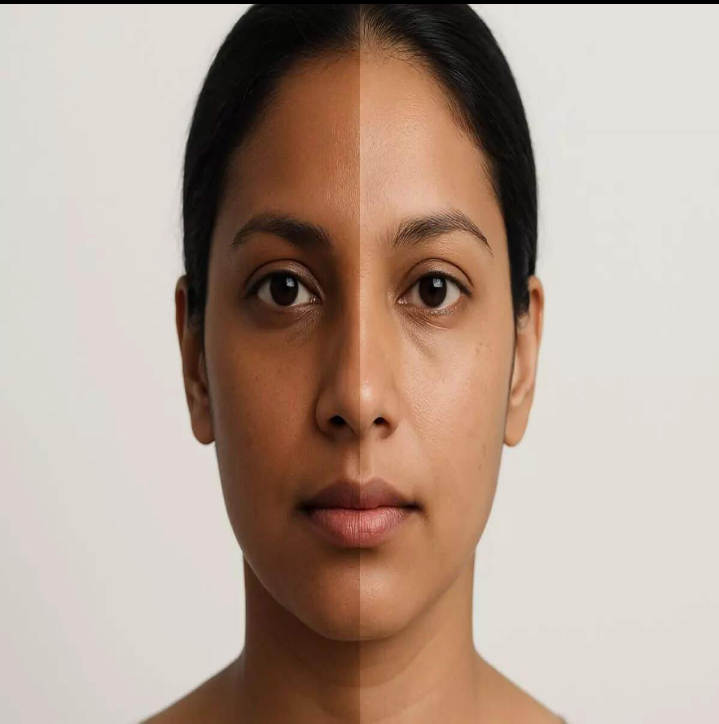
PALE SKIN due to Deficiency of Folate (B9)
What is Folate (Vitamin B9)?
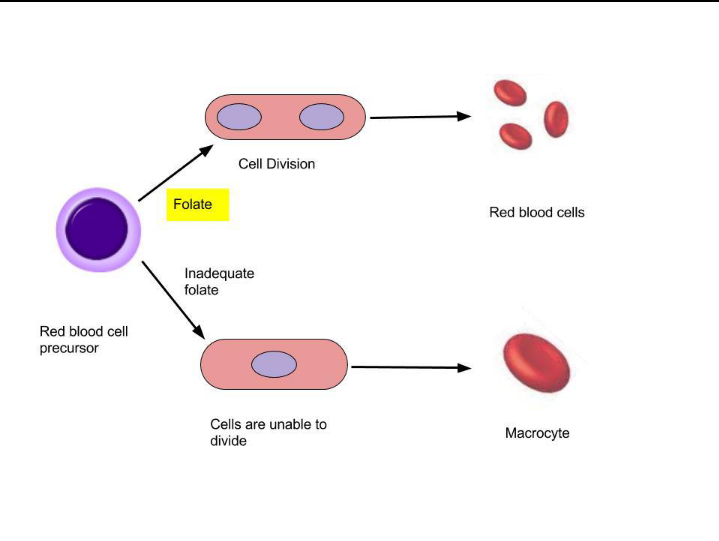
Folate is a water-soluble vitamin that plays a major role in:
- Formation of red blood cells
- DNA production and repair
- Proper brain function
- Healthy growth during pregnancy
- Energy production
Folic acid is the synthetic form of folate found in supplements and fortified foods.
How Folate Deficiency Causes Pale Skin
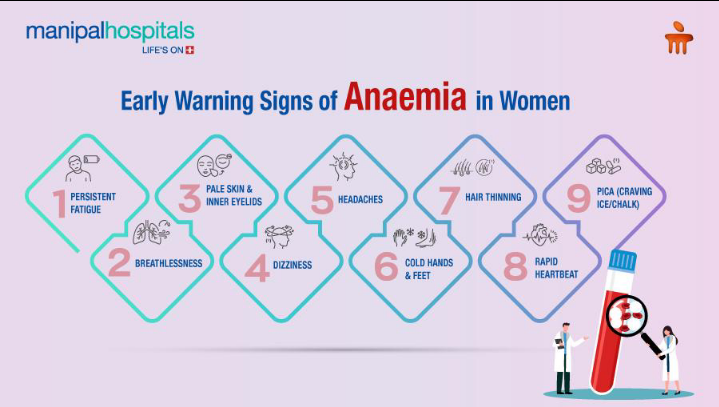
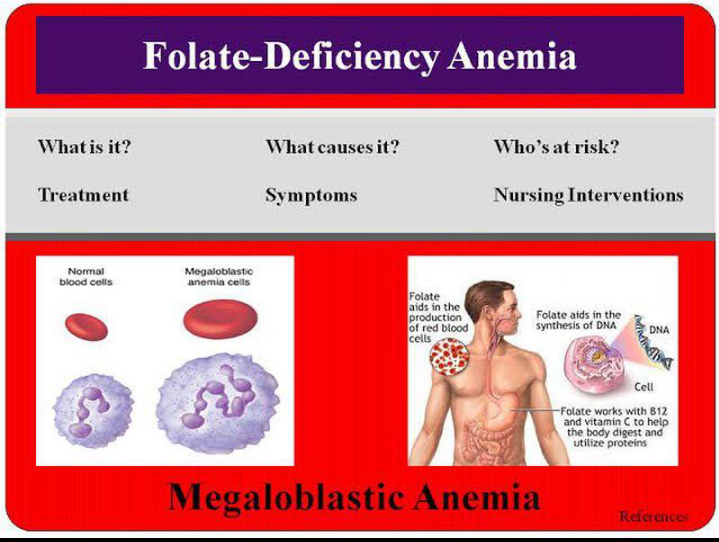
When folate levels become low, the body cannot produce enough healthy red blood cells. This condition is called megaloblastic anemia. Because fewer healthy red blood cells carry oxygen through the body, the skin may appear:
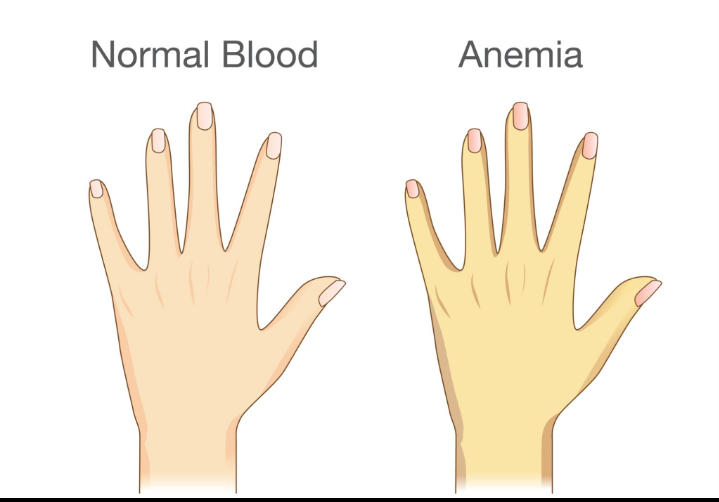
- Pale or yellowish
- Dull and tired
- Less glowing than usual
Lack of oxygen also causes weakness and fatigue.
Common Symptoms of Folate Deficiency
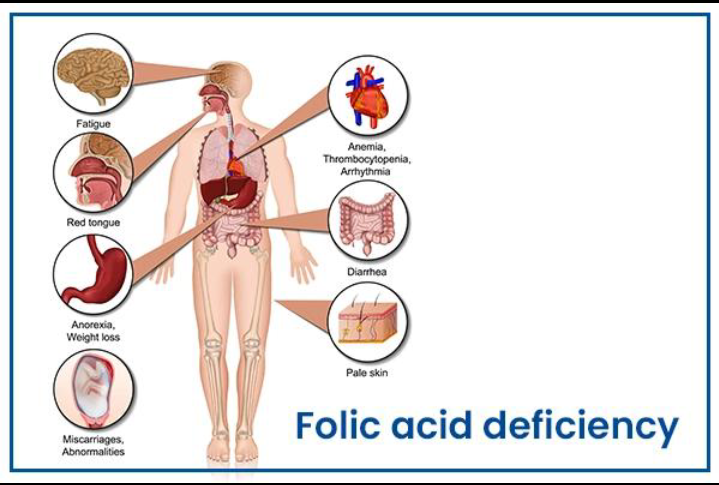
Besides pale skin, a person may experience:
- Extreme tiredness
- Weakness
- Shortness of breath
- Dizziness
- Headaches
- Poor concentration
- Mouth ulcers
- Tingling sensation in hands or feet
- Rapid heartbeat
Causes of Folate Deficiency
Several factors can reduce folate levels in the body:
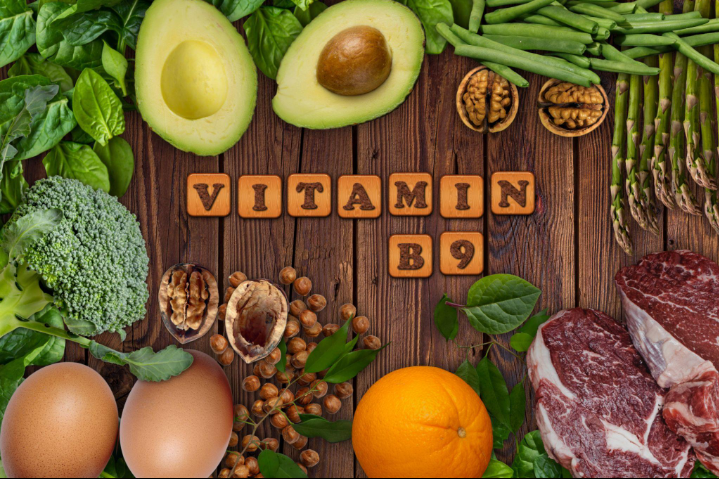
- Poor diet lacking green vegetables
- Excess alcohol consumption
- Digestive disorders like celiac disease
- Pregnancy (higher folate requirement)
- Certain medicines
- Overcooking vegetables, which destroys folate
Best Foods Rich in Folate
Adding folate-rich foods to the diet can improve skin health and energy levels.
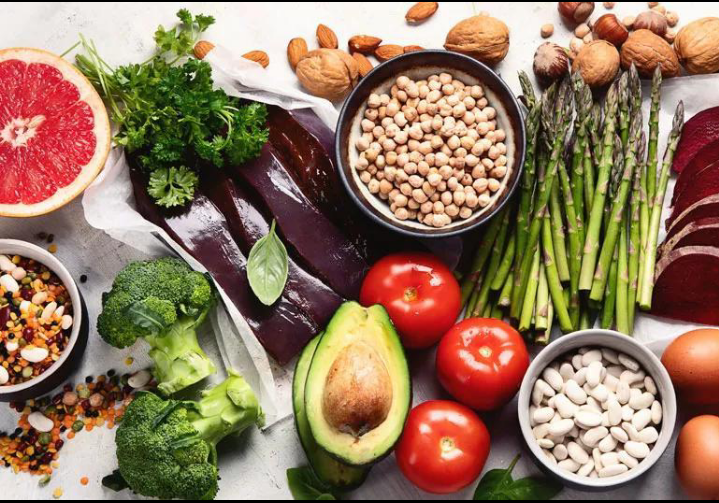
Top Folate-Rich Foods:
- Spinach
- Broccoli
- Lentils
- Beans
- Avocado
- Citrus fruits
- Beetroot
- Asparagus
- Eggs
- Fortified cereals
Treatment and Prevention
Treatment usually includes:
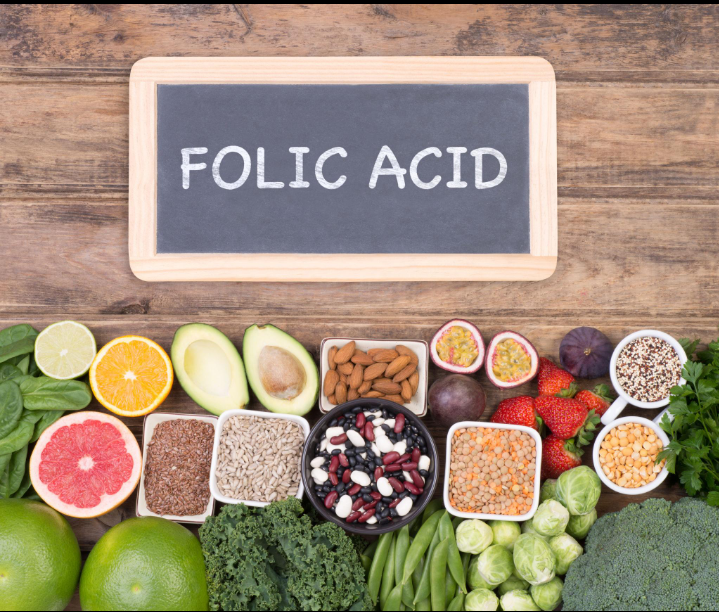
- Eating folate-rich foods
- Taking folic acid supplements (if prescribed)
- Treating underlying digestive problems
- Avoiding excessive alcohol
- Maintaining a balanced diet
Most people start feeling better within a few weeks of proper treatment.
Frequently Asked Questions (FAQ)
1. Can folate deficiency really make skin pale?
Yes. Folate deficiency can reduce healthy red blood cells, leading to anemia and pale skin.
2. Is folate the same as folic acid?
Folate is the natural form of Vitamin B9 found in foods, while folic acid is the synthetic form used in supplements.
3. Which foods improve folate levels quickly?
Leafy green vegetables, lentils, beans, citrus fruits, and fortified cereals are excellent sources.
4. How long does it take to recover from folate deficiency?
Mild deficiency may improve within a few weeks after proper diet and supplements.
5. Can folate deficiency cause tiredness?
Yes. Fatigue and weakness are among the most common symptoms.
6. Who is at higher risk of folate deficiency?
Pregnant women, people with poor diets, alcohol dependence, and digestive disorders are at higher risk.
Conclusion
Pale skin can sometimes be more than a cosmetic issue—it may be a sign of folate deficiency and anemia. Folate is essential for healthy blood production, energy, and glowing skin. Eating a nutritious diet rich in Vitamin B9 and seeking medical advice when symptoms persist can help restore overall health and natural skin color.