⭐INTRODUCTION
🧴 Understanding Rough Skin
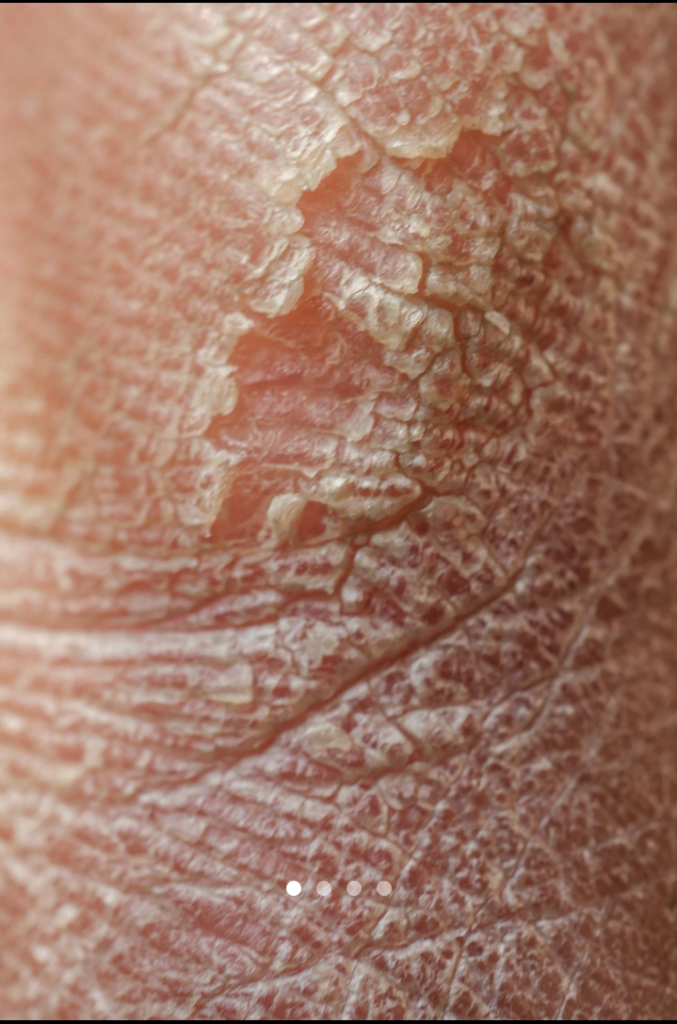
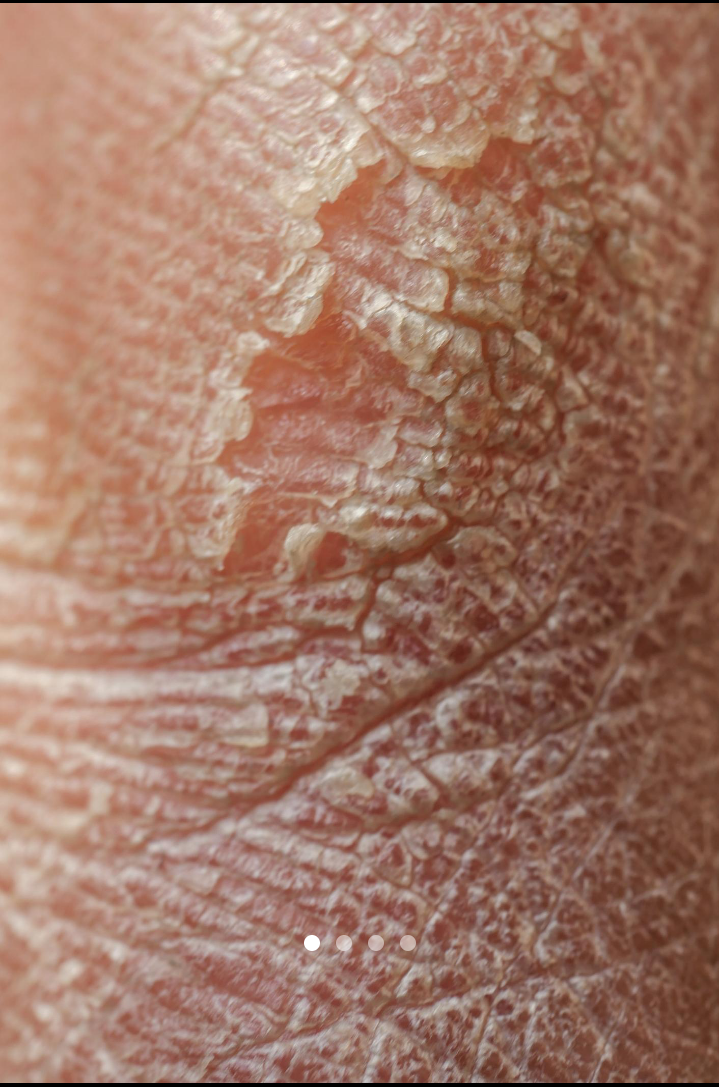
Rough skin is a common condition in which the skin feels dry, uneven, flaky, or coarse to the touch. While environmental factors such as cold weather, excessive sun exposure, and harsh soaps can contribute to rough skin, nutritional deficiencies—especially vitamin deficiencies—can also play a significant role.
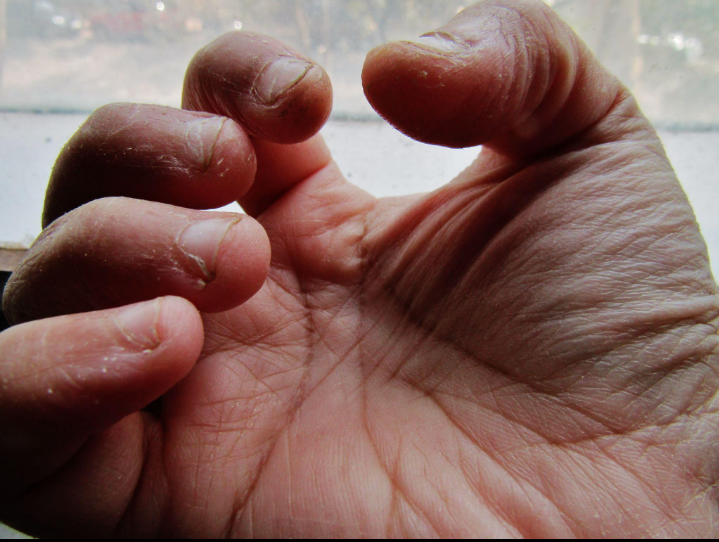
ROUGH SKIN
🔍 How Vitamin Deficiencies Affect the Skin
Vitamins are essential for maintaining healthy skin. A deficiency in certain vitamins can impair skin repair, hydration, and protection, leading to roughness and other skin problems.
1. Vitamin A Deficiency
Vitamin A helps maintain skin cell growth and repair.
Symptoms:
- Rough, dry skin
- Small bumps on arms and thighs (keratosis pilaris)
- Poor wound healing
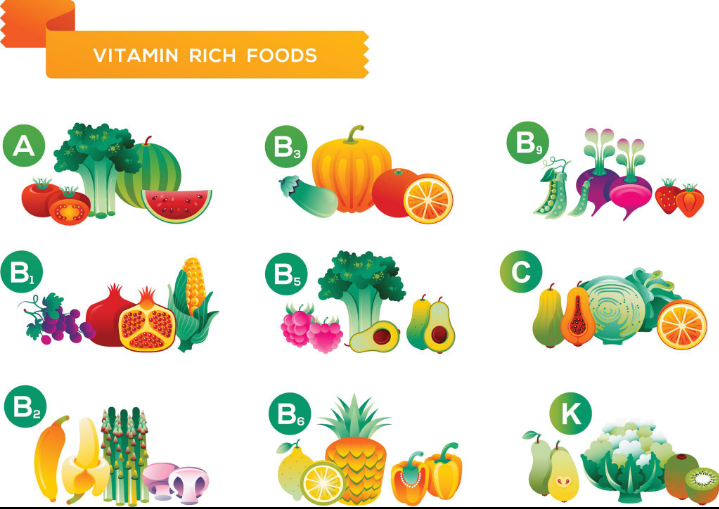
Food Sources:
- Carrots
- Sweet potatoes
- Spinach
- Mangoes
- Eggs
2. Vitamin C Deficiency
Vitamin C is necessary for collagen production and skin healing.
Symptoms:
- Rough and dry skin
- Easy bruising
- Slow wound healing
- Bleeding gums
Food Sources:
- Oranges
- Lemons
- Guava
- Kiwi
- Bell peppers
3. Vitamin E Deficiency
Vitamin E acts as an antioxidant and protects skin from damage.
Symptoms:
- Dry, rough skin
- Increased skin sensitivity
- Premature aging signs
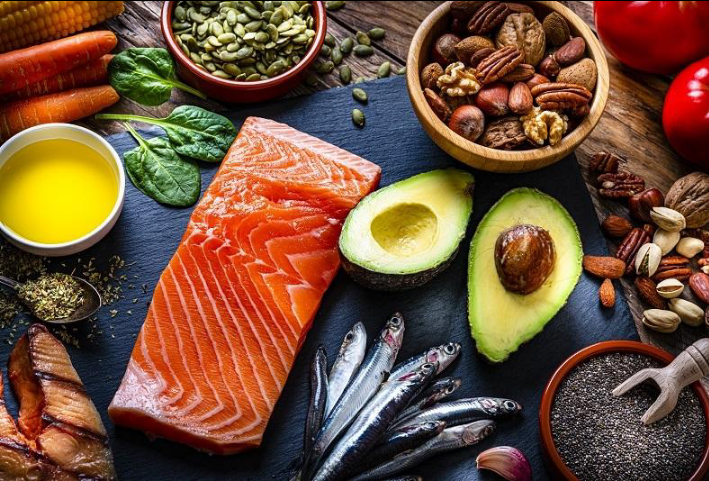
Food Sources:
- Almonds
- Sunflower seeds
- Peanuts
- Avocados
4. Vitamin B3 (Niacin) Deficiency
Niacin helps maintain the skin’s protective barrier.
Symptoms:
- Rough, scaly skin
- Redness
- Sun-sensitive rashes
Food Sources:
- Fish
- Chicken
- Peanuts
- Whole grains
5. Vitamin B7 (Biotin) Deficiency
Biotin supports healthy skin, hair, and nails.
Symptoms:
- Dry, rough skin
- Skin irritation
- Hair thinning
Food Sources:
- Eggs
- Nuts
- Seeds
- Legumes
🥗 Diet for Healthy and Smooth Skin
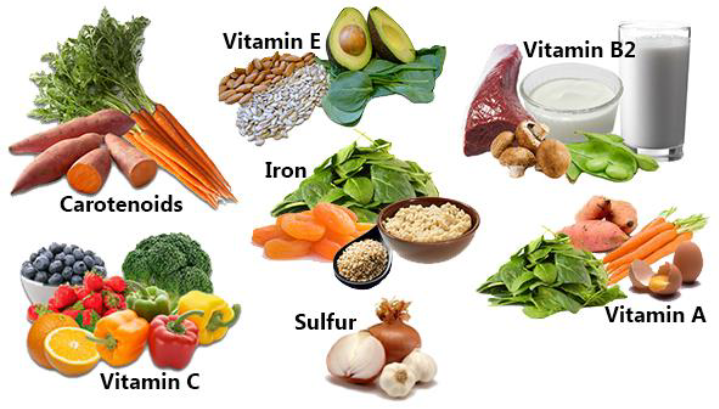
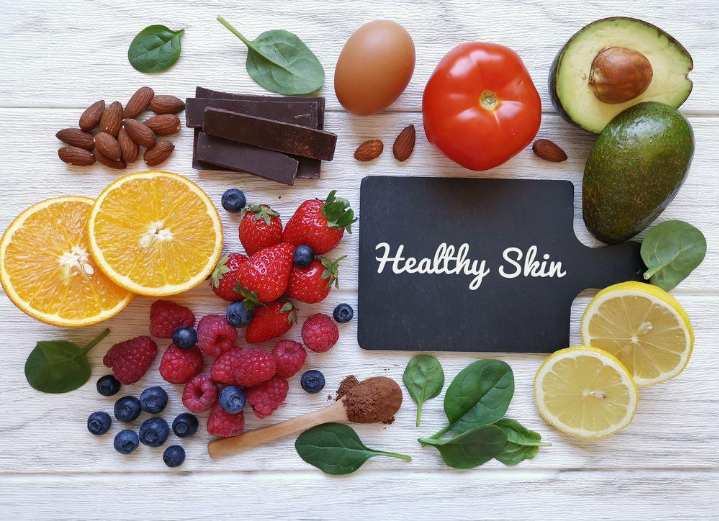
Include:
- Fresh fruits and vegetables
- Whole grains
- Nuts and seeds
- Lean proteins
- Adequate water intake
Avoid:
- Excess processed foods
- Sugary beverages
- Excessive alcohol consumption
- Smoking
💡 Additional Tips for Managing Rough Skin
- Drink 2–3 liters of water daily.
- Use a gentle moisturizer regularly.
- Avoid very hot showers.
- Apply sunscreen every day.
- Eat a balanced, vitamin-rich diet.
- Consult a healthcare professional if symptoms persist.
❓ Frequently Asked Questions (FAQ)
Q1. Can vitamin deficiency cause rough skin?
Yes. Deficiencies of Vitamins A, C, E, B3, and B7 can contribute to rough, dry, and unhealthy skin.
Q2. Which vitamin is most important for skin health?
There is no single most important vitamin. Vitamins A, C, E, and B-complex vitamins work together to maintain healthy skin.
Q3. How long does it take for skin to improve after correcting a deficiency?
Improvement may begin within a few weeks, but significant changes often take 1–3 months depending on the severity of the deficiency.
Q4. Can taking supplements improve rough skin?
Supplements may help if a deficiency is present, but they should ideally be taken under medical guidance.
Q5. Can dehydration make skin rough?
Yes. Inadequate water intake can worsen dryness and roughness of the skin.
Q6. When should I see a doctor?
Seek medical advice if rough skin is severe, persistent, associated with rashes, or accompanied by other symptoms such as fatigue, weight loss, or hair loss.
📝 Conclusion
Rough skin is not always just a cosmetic issue—it can sometimes be a sign of underlying vitamin deficiencies. Vitamins A, C, E, B3, and B7 are particularly important for maintaining healthy, smooth, and resilient skin. A balanced diet rich in fruits, vegetables, nuts, seeds, and adequate hydration can help restore skin health. If rough skin persists despite proper skincare and nutrition, consulting a healthcare professional is recommended to identify and address any underlying deficiencies.
✨ Healthy skin begins with healthy nutrition. Nourish your body, and your skin will reflect it. 🌿💖