⭐INTRODUCTION
What is Alopecia?
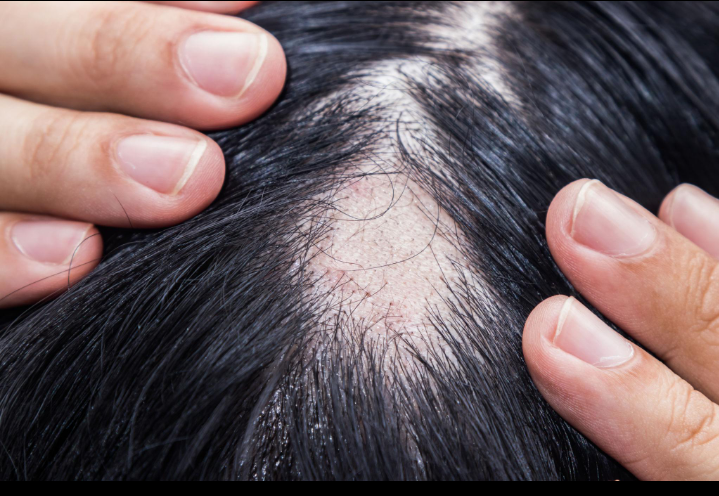
Alopecia is a medical condition that causes hair loss from the scalp or other parts of the body. Hair loss can be temporary or permanent, depending on the underlying cause. It affects both men and women and can occur at any age.
ALOPECIA
⭐Types of Alopecia
1. Alopecia Areata
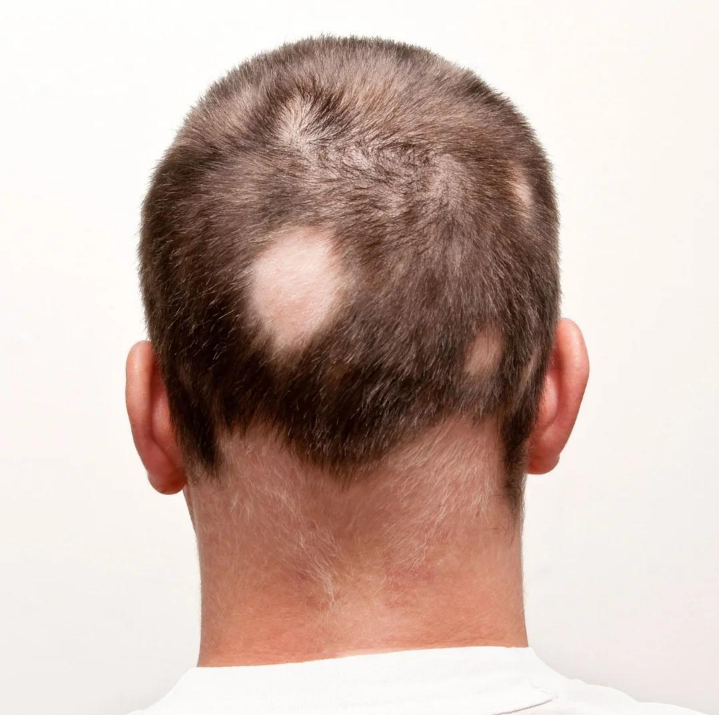
An autoimmune condition in which the body’s immune system attacks hair follicles, causing patchy hair loss.
2. Androgenetic Alopecia
Also known as male-pattern or female-pattern baldness. It is the most common type of hair loss and is influenced by genetics and hormones.
3. Alopecia Totalis
A severe form of alopecia areata that causes complete loss of hair on the scalp.
4. Alopecia Universalis
A rare condition resulting in the loss of all body hair, including eyebrows and eyelashes.
5. Traction Alopecia
Hair loss caused by constant pulling or tension on the hair from tight hairstyles.
⭐Common Symptoms
- Gradual thinning of hair
- Circular or patchy bald spots
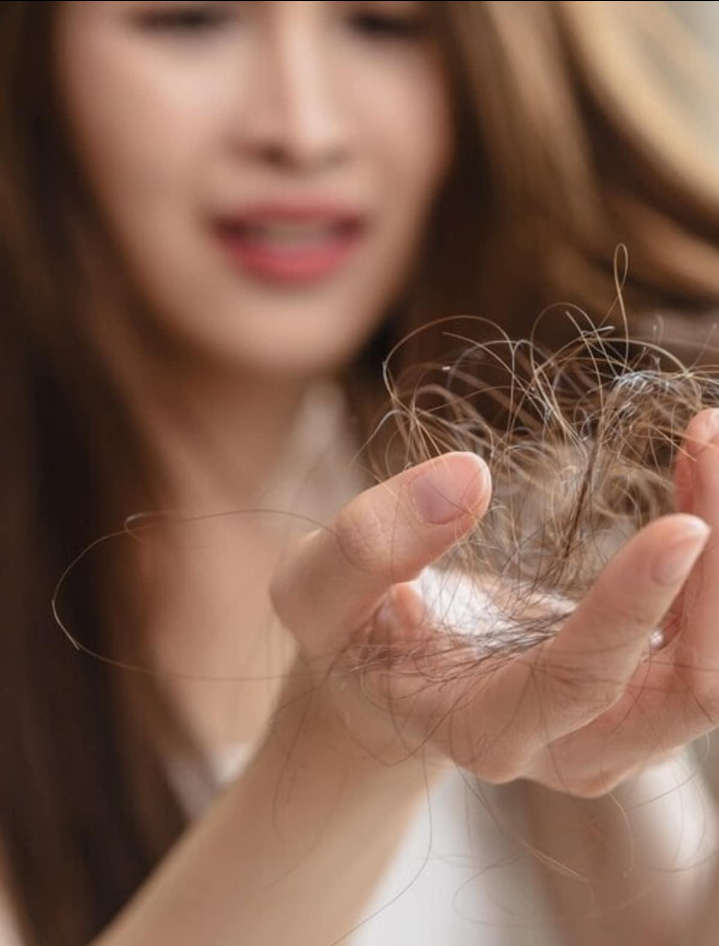
- Sudden hair shedding
- Receding hairline
- Loss of eyebrows or eyelashes
- Itching or burning sensation before hair falls out
⭐Causes of Alopecia
Genetic Factors
A family history of baldness increases the risk of androgenetic alopecia.
Autoimmune Disorders
Conditions such as alopecia areata occur when the immune system attacks hair follicles.
Hormonal Changes
Pregnancy, menopause, thyroid disorders, and hormonal imbalances can trigger hair loss.
Nutritional Deficiencies
Deficiencies of:
- Iron
- Vitamin D
- Vitamin B12
- Zinc
- Protein
may contribute to hair loss.
Stress
Physical or emotional stress can cause excessive hair shedding (telogen effluvium).
Medications
Certain drugs used for:
- Cancer treatment
- High blood pressure
- Depression
- Arthritis
can cause hair loss as a side effect.
⭐Risk Factors
- Family history of baldness
- Autoimmune diseases
- Aging
- Poor nutrition
- Excessive hairstyling
- Chronic stress
⭐Diagnosis

A healthcare professional may diagnose alopecia through:
- Medical history
- Physical examination
- Pull test
- Blood tests
- Scalp biopsy
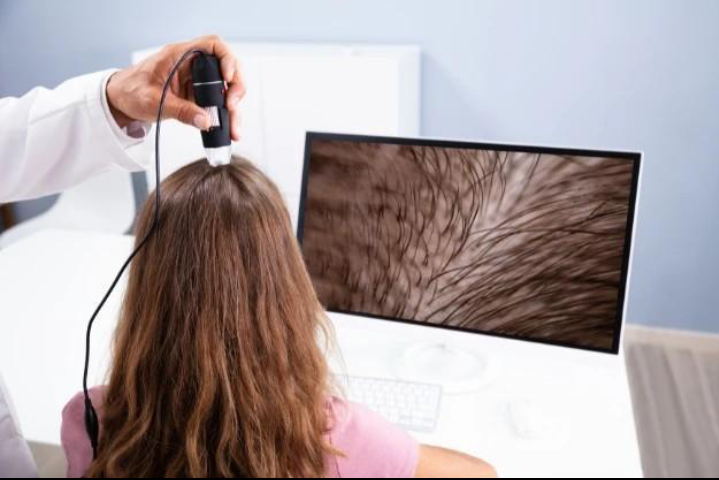
- Dermoscopy
⭐Treatment Options
1. Medications
Minoxidil
Applied directly to the scalp to stimulate hair growth.
Finasteride
Often prescribed for male-pattern baldness.
Corticosteroids
Used in alopecia areata to reduce inflammation.
2. Platelet-Rich Plasma (PRP) Therapy
PRP injections may help stimulate hair follicles and promote growth.
3. Hair Transplant Surgery
Healthy hair follicles are transplanted from one area of the scalp to another.
4. Lifestyle Changes
- Eat a balanced diet rich in vitamins and minerals.
- Manage stress through exercise and meditation.
- Avoid harsh hair treatments.
- Use gentle hair-care products.
⭐Prevention Tips
- Maintain adequate protein intake.
- Correct vitamin and mineral deficiencies.
- Avoid tight hairstyles.
- Protect hair from excessive heat and chemicals.
- Manage stress effectively.
- Seek medical advice early if hair loss becomes noticeable.
⭐Frequently Asked Questions (FAQ)
Q1. Is alopecia contagious?
No. Alopecia is not contagious and cannot spread from one person to another.
Q2. Can alopecia be cured?
Some forms of alopecia are reversible, while others can only be managed with treatment.
Q3. Does stress cause alopecia?
Stress can trigger certain types of hair loss, particularly telogen effluvium and may worsen existing alopecia.
Q4. Can hair grow back after alopecia?
Yes, hair may regrow in many cases, especially when the underlying cause is treated.
Q5. Which vitamin deficiency causes hair loss?
Deficiencies of Vitamin D, Vitamin B12, iron, zinc, and protein are commonly associated with hair loss.
Q6. Is alopecia more common in men?
Male-pattern baldness is more common in men, but alopecia can affect both men and women.
Q7. Can diet improve hair growth?
A nutritious diet rich in protein, iron, vitamins, and minerals can support healthy hair growth.
Q8. When should I see a doctor?
Consult a healthcare professional if you experience sudden, excessive, or unexplained hair loss.
🌺Conclusion
Alopecia is a common condition that can significantly affect appearance and self-confidence. The good news is that many forms of hair loss can be treated or managed effectively when diagnosed early. Maintaining a healthy lifestyle, addressing nutritional deficiencies, reducing stress, and seeking timely medical advice can help preserve hair health and improve outcomes. If you notice persistent hair loss, consult a qualified healthcare professional for proper evaluation and personalized treatment.