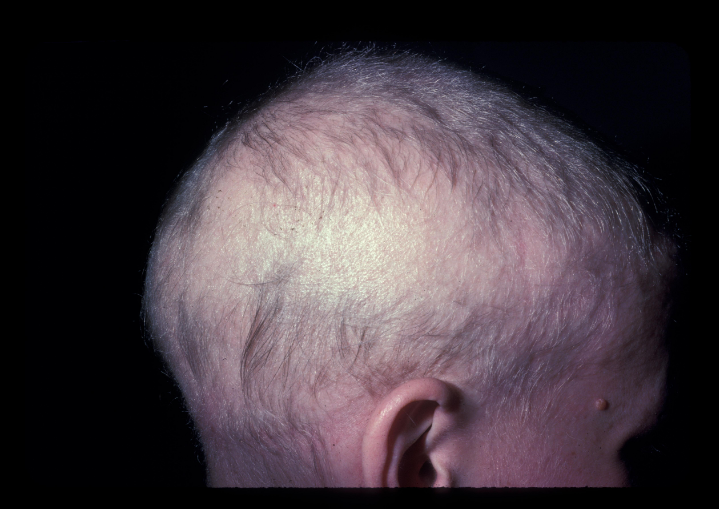
What is Alopecia Totalis?
Alopecia Totalis is an advanced form of in which a person loses all the hair on the scalp. It is an autoimmune condition where the body’s immune system mistakenly attacks hair follicles, causing hair to fall out.
Although Alopecia Totalis is not life-threatening, it can significantly affect a person’s self-confidence and emotional well-being.
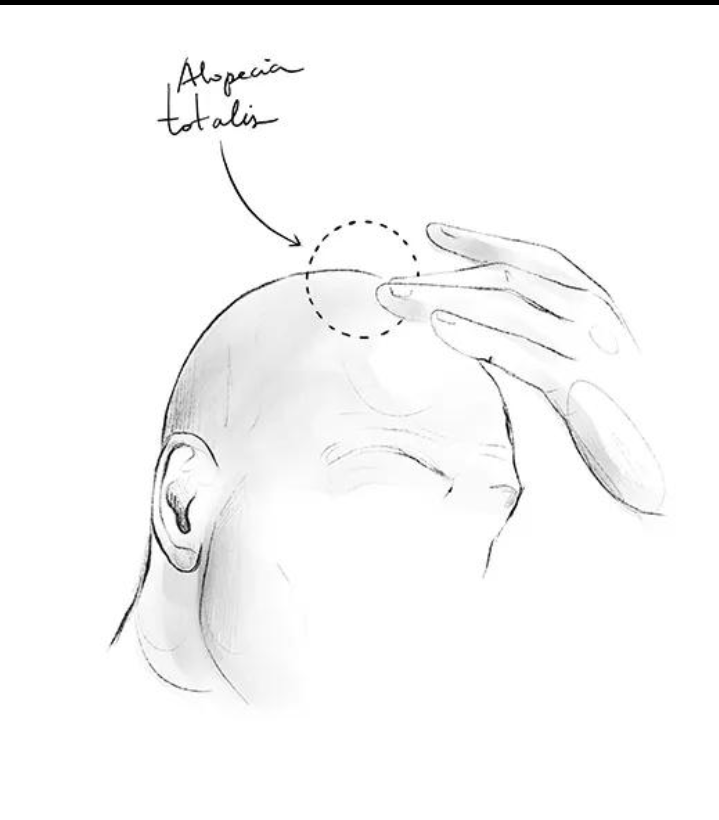
ALOPECIA TOTALIS
Symptoms of Alopecia Totalis
- Complete loss of scalp hair.
- Sudden or gradual progression from patchy hair loss.
- Smooth scalp without scarring.
- Possible changes in fingernails or toenails, such as ridges or pitting.
- Hair follicles remain alive, meaning regrowth may still be possible.
Causes
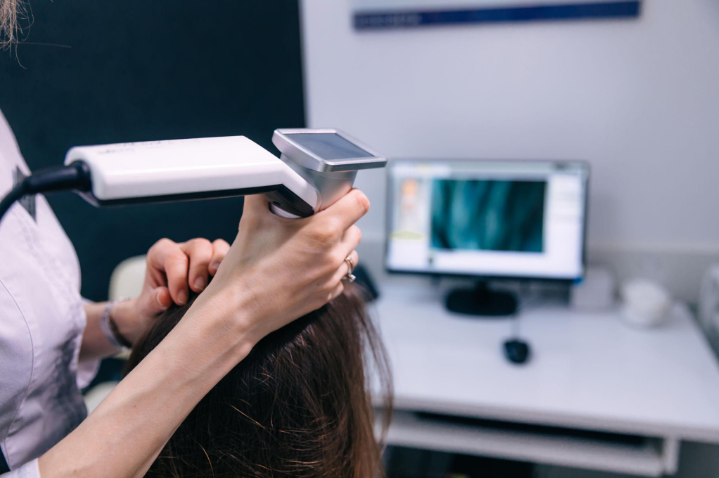
The exact cause is not fully understood, but factors may include:
- Autoimmune reactions.
- Genetic predisposition.
- Family history of autoimmune diseases.
- Stress or emotional triggers (in some cases).
- Environmental factors.
Diagnosis
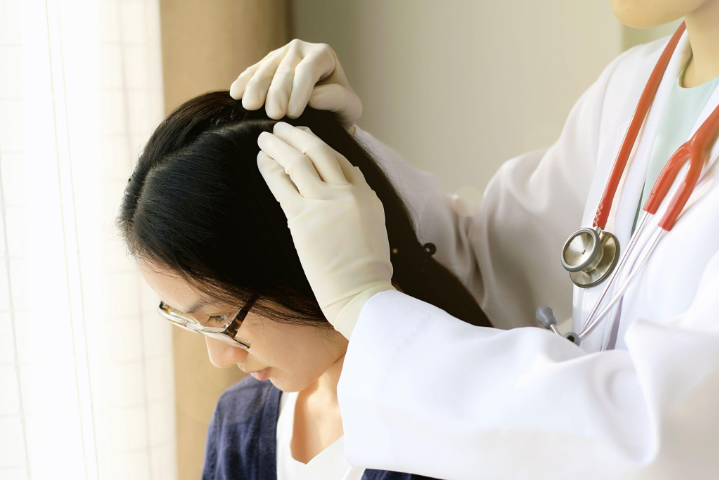
A dermatologist may diagnose Alopecia Totalis through:
- Physical examination of the scalp.
- Medical history review.
- Hair-pull test.
- Scalp biopsy (if needed).
- Blood tests to rule out other conditions.
Treatment Options

There is currently no guaranteed cure, but treatments may help stimulate hair regrowth:
- Corticosteroid medications.
- Topical immunotherapy.
- Minoxidil solutions.
- JAK inhibitor medications (in selected patients under medical supervision).
- Supportive therapies and counseling.
Treatment results vary from person to person.
Living with Alopecia Totalis
- Use sunscreen or hats to protect the scalp.
- Join support groups and counseling programs.
- Maintain a healthy lifestyle and balanced diet.
- Focus on emotional well-being and self-confidence.
Frequently Asked Questions (FAQs)
1. Is Alopecia Totalis permanent?
Not always. Some people experience partial or complete hair regrowth, while others may have long-term hair loss.
2. Is Alopecia Totalis contagious?
No. It cannot spread from one person to another.
3. Can stress cause Alopecia Totalis?
Stress alone is not considered the direct cause, but it may contribute to triggering or worsening the condition in some individuals.
4. Is there a cure?
There is currently no definitive cure, but several treatments may help manage the condition and encourage hair regrowth.
5. Can children develop Alopecia Totalis?
Yes. It can occur in both children and adults.
6. Does Alopecia Totalis affect overall health?
Generally, it affects hair growth rather than physical health, though the emotional impact can be significant.
Conclusion
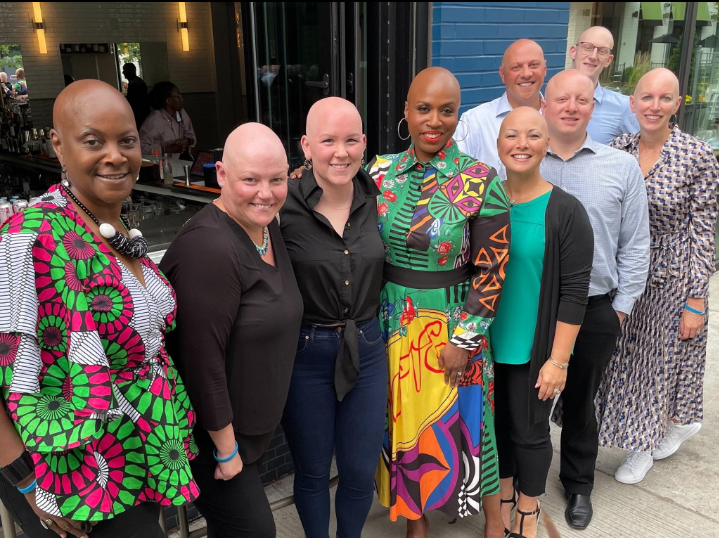
Alopecia Totalis is an autoimmune condition that causes complete loss of scalp hair. While there is no guaranteed cure, modern treatments and medical advances continue to improve management options. Early consultation with a dermatologist, emotional support, and proper care can help individuals maintain confidence and quality of life while living with the condition.