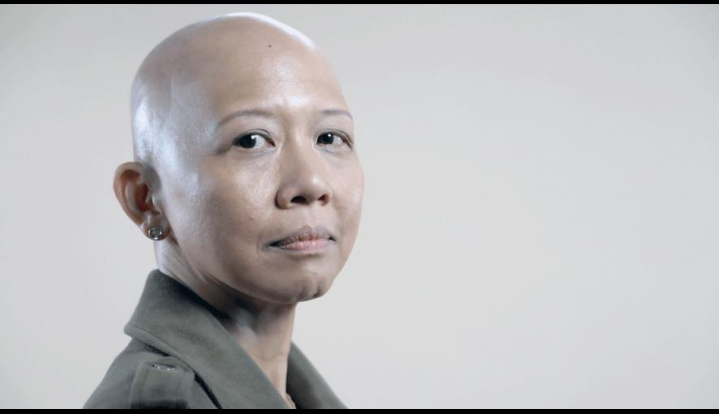
What is Alopecia Universalis?
Alopecia Universalis (AU) is a rare and severe form of the disease . It causes the complete loss of hair on the scalp and the entire body, including eyebrows, eyelashes, facial hair, and body hair.
AU is an autoimmune condition, meaning the immune system mistakenly attacks hair follicles, preventing hair growth. Although it affects appearance, it is not contagious or life-threatening.
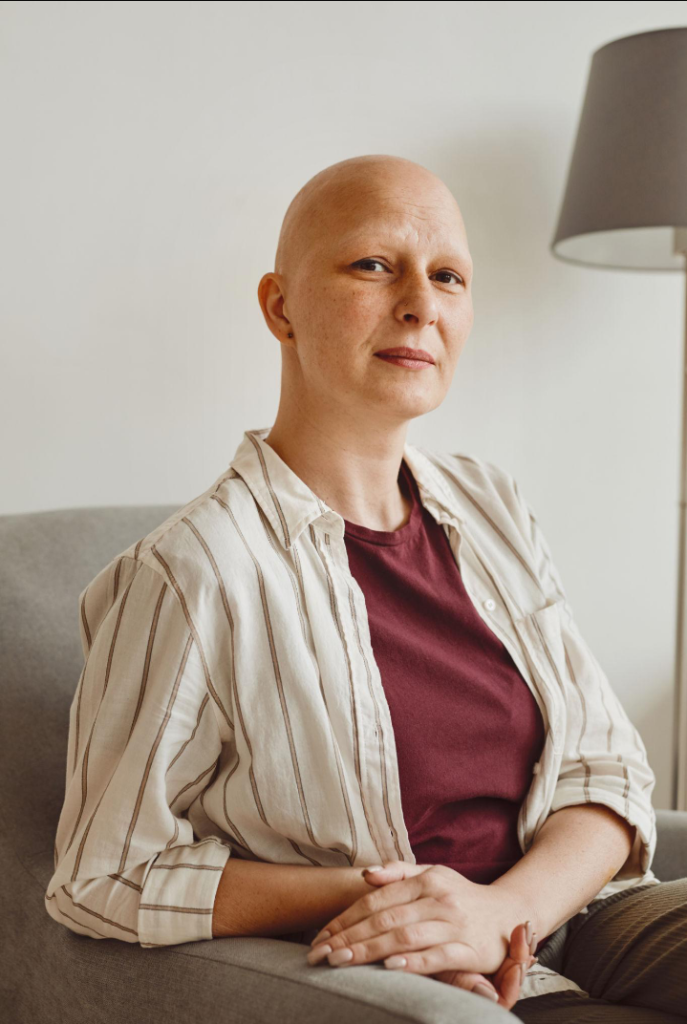
ALOPECIA UNIVERSALIS
Symptoms of Alopecia Universalis
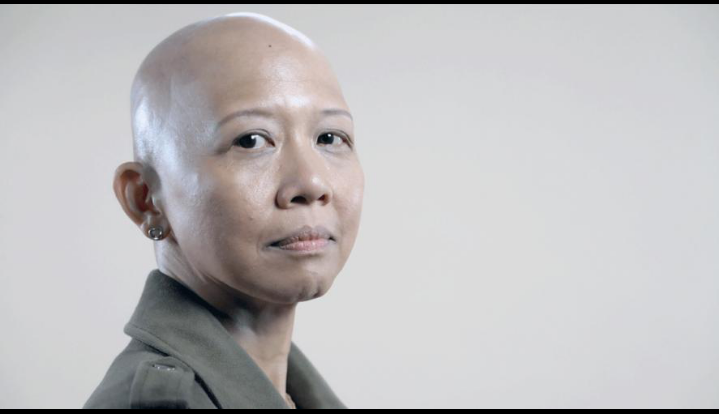
Common symptoms include:
- Complete loss of scalp hair
- Loss of eyebrows and eyelashes
- Loss of beard, mustache, and body hair
- Smooth, hairless skin
- Changes in fingernails or toenails (ridges, pitting, or brittleness)
Causes and Risk Factors
The exact cause is not fully understood, but factors may include:
- Autoimmune response – The immune system attacks healthy hair follicles.
- Genetic factors – Family history may increase risk.
- Environmental triggers – Stress, infections, or other triggers may contribute.
- Associated autoimmune conditions such as or .
Diagnosis
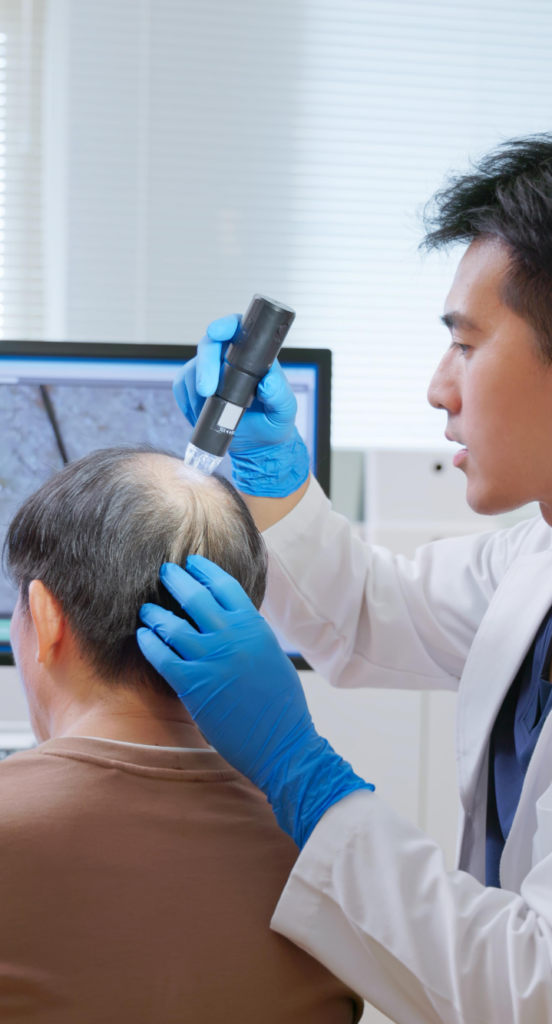
A dermatologist may diagnose Alopecia Universalis through:
- Physical examination
- Medical and family history
- Hair-pull test
- Blood tests to check for autoimmune disorders
- Skin biopsy (in some cases)
Treatment Options

There is currently no guaranteed cure, but several treatments may help some individuals:
1. Corticosteroids
These medications reduce inflammation and immune activity.
2. Immunotherapy
Certain topical treatments stimulate a controlled immune response to encourage hair regrowth.
3. JAK Inhibitors
Newer medications have shown promising results in some patients with severe alopecia.
4. Supportive Care
- Wigs and hairpieces
- Eyebrow cosmetics
- Sunscreen for exposed scalp
- Emotional and psychological support
Living with Alopecia Universalis
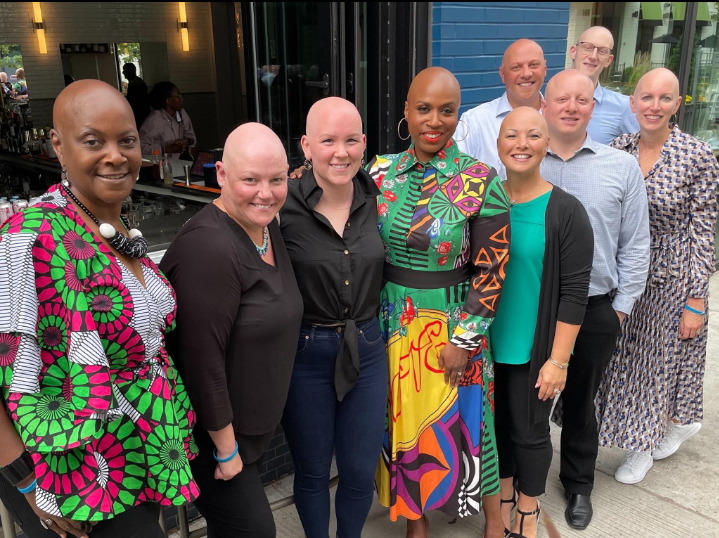
Many people with AU lead healthy and successful lives. Building self-confidence, joining support groups, and focusing on overall well-being can help manage the emotional impact of hair loss.
Frequently Asked Questions (FAQ)
Q1. Is Alopecia Universalis permanent?
Not always. Some people experience partial or complete hair regrowth, while others may have long-term hair loss.
Q2. Is it contagious?
No. Alopecia Universalis cannot spread from one person to another.
Q3. Can stress cause Alopecia Universalis?
Stress alone is not considered the direct cause, but it may act as a trigger in susceptible individuals.
Q4. Can children develop Alopecia Universalis?
Yes. Although uncommon, AU can occur in children and adults.
Q5. Is there a cure?
There is currently no definitive cure, but treatments may help stimulate hair regrowth in some patients.
Q6. Does Alopecia Universalis affect overall health?
The condition primarily affects hair growth and appearance. However, some individuals may have associated autoimmune conditions that require medical attention.
Conclusion
Alopecia Universalis is a rare autoimmune disorder characterized by complete loss of hair on the scalp and body. While there is no guaranteed cure, advances in treatment and supportive care continue to improve outcomes for many people. Early consultation with a dermatologist, proper medical guidance, and emotional support can help individuals manage the condition and maintain a good quality of life.
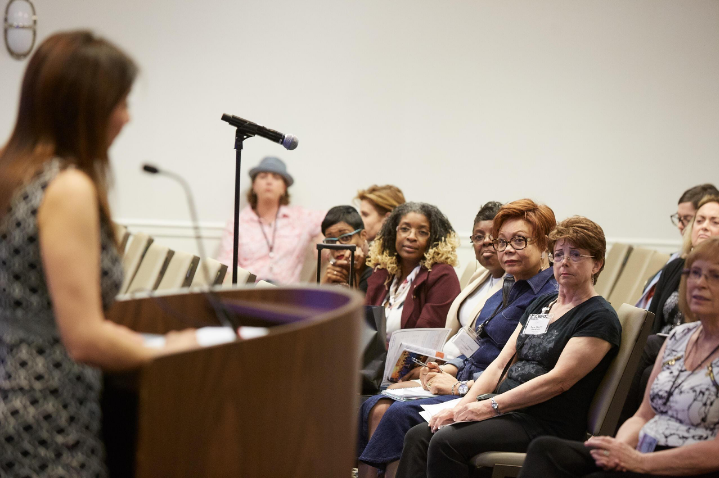
Takeaway: Alopecia Universalis affects hair, not a person’s abilities, confidence, or potential. With appropriate care and support, individuals can live fulfilling and successful lives. 🌸