Introduction
The skin is often called the “window to internal health.” Many internal diseases can produce visible changes in the skin, sometimes appearing before other symptoms develop. Recognizing these skin manifestations can help in the early diagnosis and treatment of underlying medical conditions.
Skin Manifestations of Internal Disease
What Are Skin Manifestations of Internal Disease?
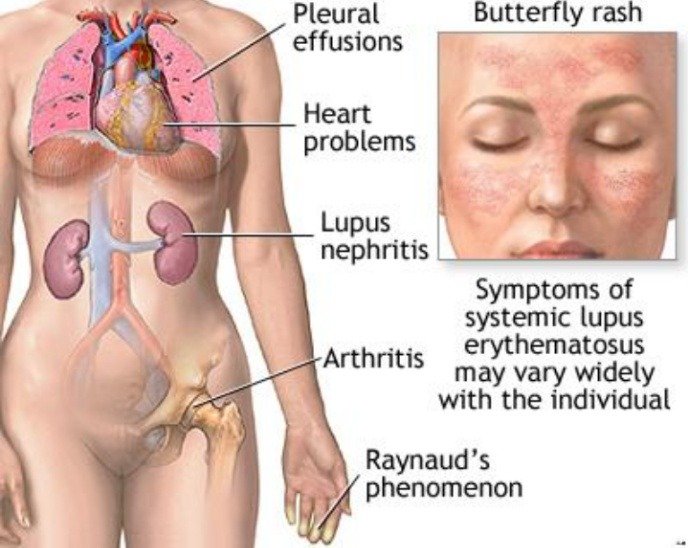
Skin manifestations are visible changes in the skin caused by disorders affecting internal organs, hormones, blood vessels, metabolism, or the immune system. These signs may include rashes, discoloration, itching, pigmentation changes, ulcers, or unusual growths.
Common Skin Manifestations and Their Associated Diseases
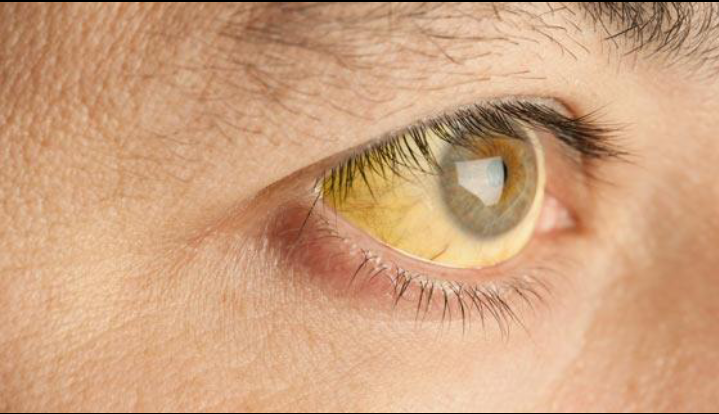
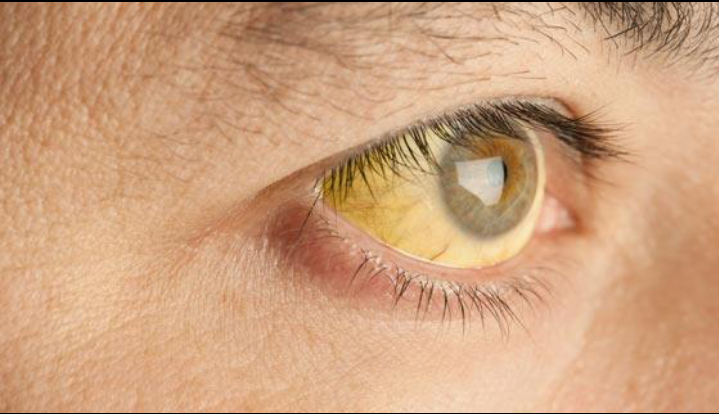
1. Jaundice
Appearance: Yellow discoloration of the skin and eyes.
Associated Diseases:
- Liver disease
- Hepatitis
- Gallbladder obstruction
Cause: Increased bilirubin levels in the blood.
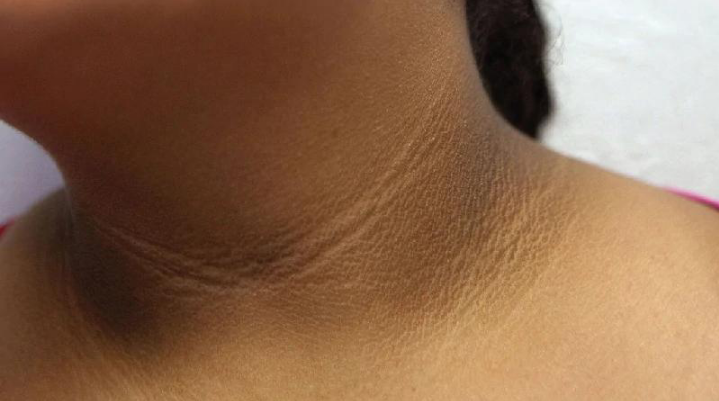
2. Acanthosis Nigricans
Appearance: Dark, velvety thickening of the skin, especially around the neck and armpits.
Associated Diseases:
- Type 2 Diabetes
- Obesity
- Insulin resistance
Clinical Significance: May be an early warning sign of metabolic disorders.
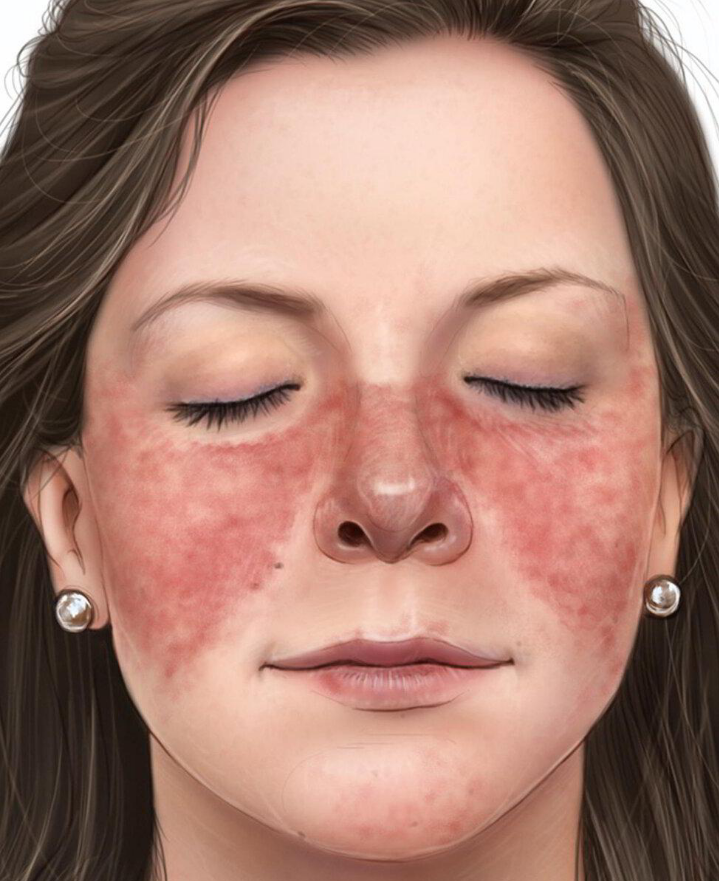
3. Butterfly Rash
Appearance: Red rash across the cheeks and nose.
Associated Disease:
Clinical Significance: Often indicates autoimmune activity.
4. Generalized Itching (Pruritus)
Appearance: Persistent itching without an obvious rash.
Associated Diseases:
- Kidney disease
- Liver disease
- Thyroid disorders
- Blood cancers
Clinical Significance: May be an early symptom of systemic illness.
5. Clubbing of Fingers
Appearance: Enlargement of fingertips with curved nails.
Associated Diseases:
- Chronic lung disease
- Heart disease
- Inflammatory bowel disease
Clinical Significance: Indicates long-standing oxygen deficiency or systemic disease.
6. Xanthomas
Appearance: Yellowish fatty deposits on the skin.
Associated Diseases:
- High cholesterol
- Lipid metabolism disorders
Clinical Significance: Suggests increased cardiovascular risk.
7. Palmar Erythema
Appearance: Redness of the palms.
Associated Diseases:
- Chronic liver disease
- Pregnancy
- Rheumatoid arthritis
Clinical Significance: Can indicate liver dysfunction.
8. Diabetic Dermopathy
Appearance: Light brown, scaly patches on the shins.
Associated Disease:
Clinical Significance: Reflects small blood vessel changes due to diabetes.
Warning Signs That Require Medical Evaluation
Seek medical attention if skin changes are accompanied by:
- Unexplained weight loss
- Persistent fever
- Severe itching
- Yellowing of the skin or eyes
- Non-healing ulcers
- Sudden widespread rash
- Shortness of breath or chest pain
Diagnosis
Doctors may recommend:
- Physical examination
- Blood tests
- Liver and kidney function tests
- Hormonal studies
- Skin biopsy
- Imaging studies when necessary
Prevention and Skin Care Tips
- Maintain a healthy diet.
- Control diabetes and blood pressure.
- Stay hydrated.
- Avoid smoking and excessive alcohol consumption.
- Protect skin from excessive sun exposure.
- Attend regular health check-ups.
Frequently Asked Questions (FAQ)
Q1. Can skin changes indicate a serious internal disease?
Yes. Many internal disorders, including liver disease, diabetes, kidney disease, and autoimmune conditions, may first appear through skin changes.
Q2. Is itching always a skin problem?
No. Persistent itching can result from liver disease, kidney disease, thyroid disorders, or blood disorders.
Q3. What causes yellow skin?
Yellow skin is usually caused by jaundice, which occurs when bilirubin accumulates in the body due to liver or bile duct problems.
Q4. Can diabetes affect the skin?
Yes. Diabetes can cause skin infections, diabetic dermopathy, delayed wound healing, and acanthosis nigricans.
Q5. Should I see a dermatologist for unusual skin changes?
Yes. A dermatologist can help determine whether skin symptoms are due to a skin condition or an underlying systemic disease.
Q6. Can treating the internal disease improve skin symptoms?
In many cases, yes. Effective treatment of the underlying condition often leads to improvement in skin manifestations.
Conclusion
The skin often provides important clues about a person’s overall health. Changes such as jaundice, unusual pigmentation, persistent itching, rashes, or finger clubbing may signal underlying internal diseases that require medical attention. Early recognition of these signs can lead to timely diagnosis, better treatment outcomes, and improved quality of life. Regular health check-ups and prompt evaluation of unusual skin changes are essential for maintaining both skin health and overall well-being. 🌿💙