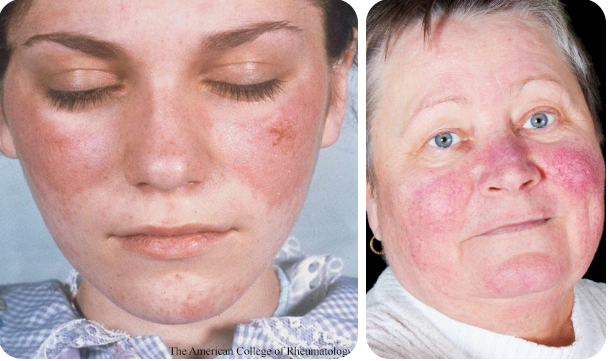
🦋 What is a Butterfly Rash?
A butterfly rash, also known as a malar rash, is a reddish or pink rash that spreads across both cheeks and the bridge of the nose, creating a butterfly-like shape. It is most commonly associated with (SLE), but it can also occur in other medical conditions.
Butterfly Rash
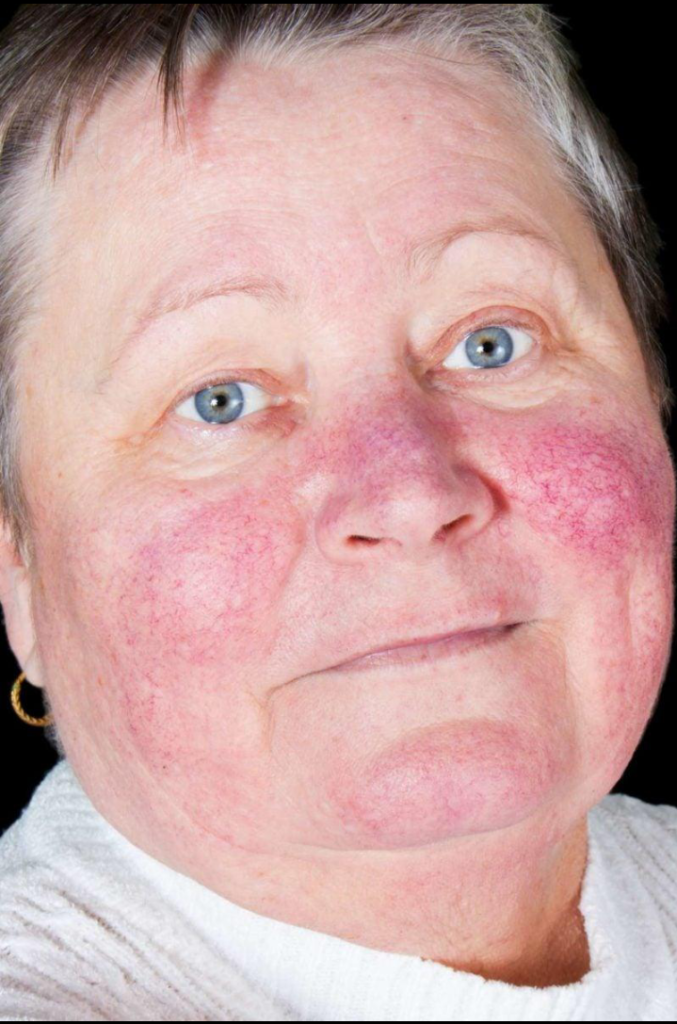
🔍 Causes of Butterfly Rash
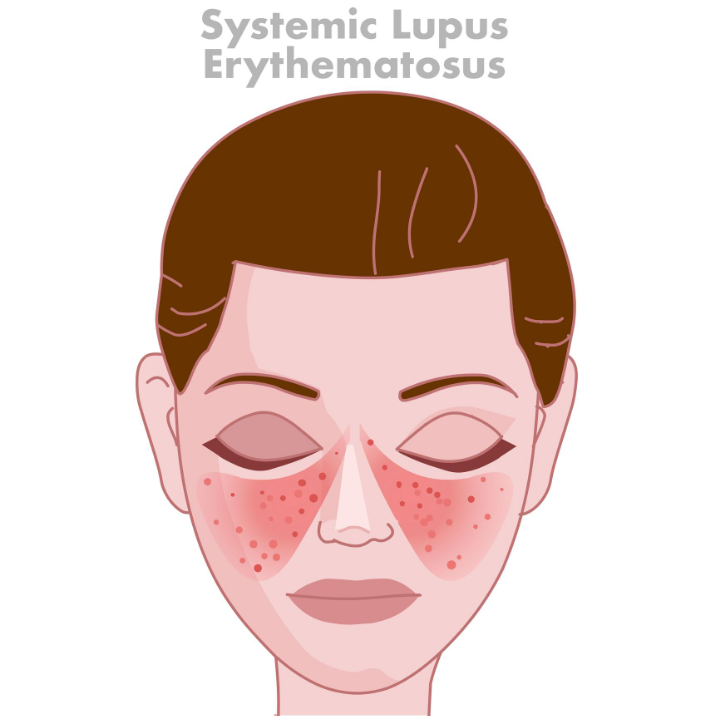
1. Systemic Lupus Erythematosus (SLE)
The most common cause. Lupus is an autoimmune disease in which the immune system attacks healthy tissues.
2. Rosacea
A chronic skin condition causing facial redness, flushing, and visible blood vessels.
3. Dermatomyositis
An inflammatory disease affecting muscles and skin.
4. Seborrheic Dermatitis
A common skin condition causing redness and flaky scales.
5. Sun Exposure
UV rays can trigger or worsen butterfly rash, especially in lupus patients.
⚠️ Symptoms
- Red or pink rash over the cheeks and nose
- Flat or slightly raised skin lesions
- Sensitivity to sunlight (photosensitivity)
- Burning or itching sensation (occasionally)
- Fatigue, joint pain, or fever if associated with lupus
🩺 Diagnosis
A healthcare provider may recommend:
- Physical examination
- Medical history review
- Blood tests (ANA, anti-dsDNA antibodies)
- Skin biopsy (if needed)
- Assessment for autoimmune diseases
💊 Treatment
Treatment depends on the underlying cause.
For Lupus-Related Butterfly Rash
- Sun protection and sunscreen
- Topical corticosteroids
- Antimalarial medications such as
- Immunosuppressive therapy in severe cases
General Skin Care Tips
- Avoid excessive sun exposure
- Use gentle skincare products
- Wear protective clothing and hats
- Stay hydrated
🌿 Prevention
- Apply broad-spectrum sunscreen daily
- Avoid known triggers
- Maintain regular follow-up with your doctor
- Follow prescribed medications consistently
❓ Frequently Asked Questions (FAQ)
Q1. Is a butterfly rash always caused by lupus?
No. Although strongly associated with lupus, it can also occur in rosacea, dermatomyositis, and other skin conditions.
Q2. Does a butterfly rash itch?
Usually it does not itch, but some individuals may experience mild irritation or burning.
Q3. Can sunlight worsen a butterfly rash?
Yes. Sun exposure is a common trigger, especially in lupus patients.
Q4. Is butterfly rash contagious?
No. Butterfly rash itself is not contagious.
Q5. Can butterfly rash go away?
Yes. With proper treatment and management of the underlying condition, the rash often improves.
Q6. When should I see a doctor?
If the rash is persistent, recurrent, or accompanied by symptoms such as fatigue, fever, or joint pain, medical evaluation is recommended.
✅ Conclusion
A butterfly rash is a distinctive facial rash that often signals an underlying medical condition, particularly lupus. Early recognition, proper diagnosis, and timely treatment are important for managing symptoms and preventing complications. If you notice a persistent butterfly-shaped rash across your cheeks and nose, consult a healthcare professional for evaluation and appropriate care.
“Early diagnosis and proper sun protection can play a vital role in managing butterfly rash and maintaining healthy skin.” 🦋🌿