Introduction
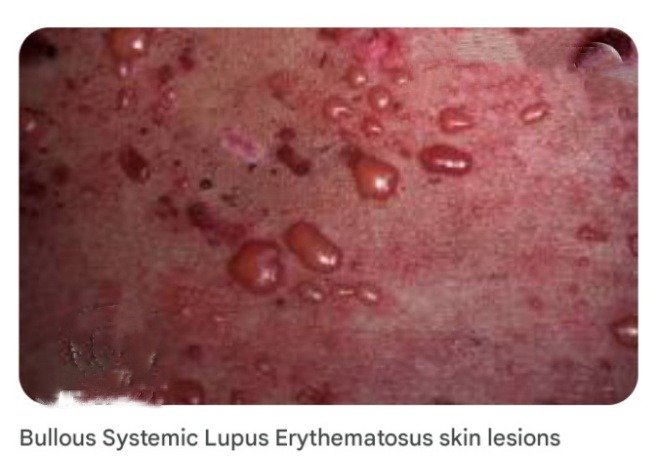
Chronic vasculobullous disorders are a group of skin diseases characterized by inflammation of blood vessels (vasculitis) along with the formation of blisters (bullae). These conditions can affect the skin, mucous membranes, and sometimes internal organs. Early diagnosis and appropriate treatment are important to prevent complications and improve quality of life.
What Are Chronic Vasculobullous Disorders?
The term vasculobullous combines:
- Vasculo-: Related to blood vessels
- Bullous: Characterized by large fluid-filled blisters
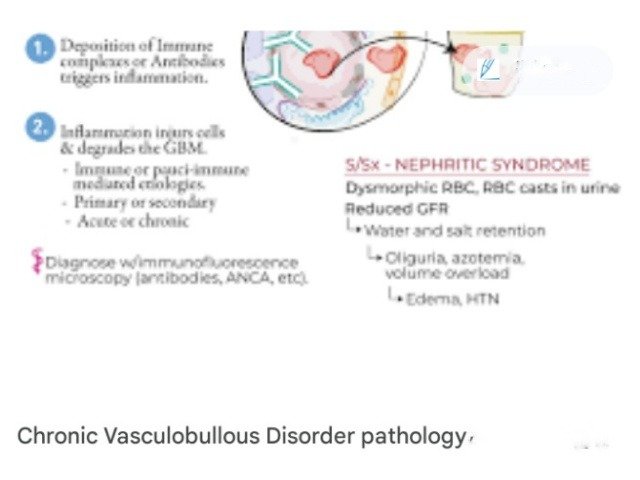
In these disorders, inflammation damages small or medium-sized blood vessels, leading to skin injury, blister formation, ulcers, and other lesions.
Common Types of Chronic Vasculobullous Disorders
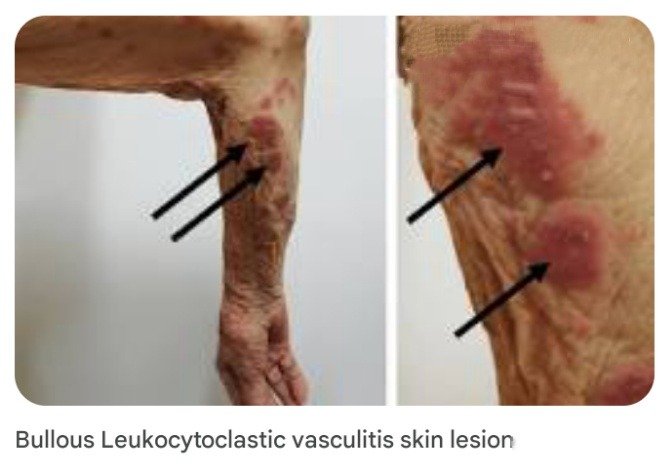
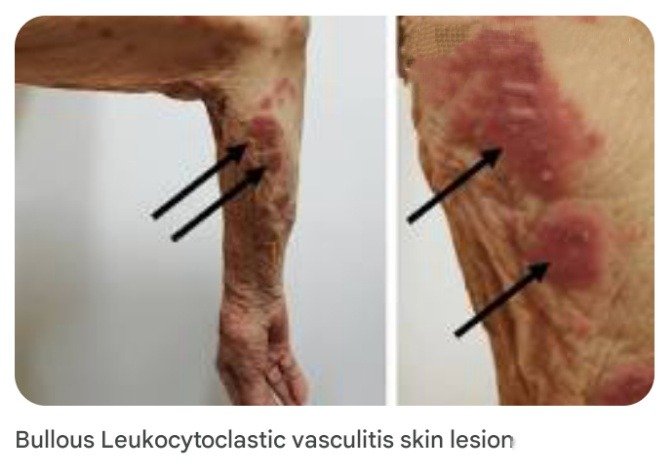
1. Bullous Leukocytoclastic Vasculitis
A small-vessel vasculitis that may present with:
- Purpura (purple spots)
- Blood-filled blisters
- Skin ulcers
- Pain and burning sensation
2. Bullous Systemic Lupus Erythematosus (BSLE)
A rare blistering manifestation of .
Features include:
- Widespread tense blisters
- Photosensitivity
- Joint pain
- Kidney involvement in some patients
3. Vasculitic Bullous Lesions in Autoimmune Diseases
May occur in:
- Mixed connective tissue disorders
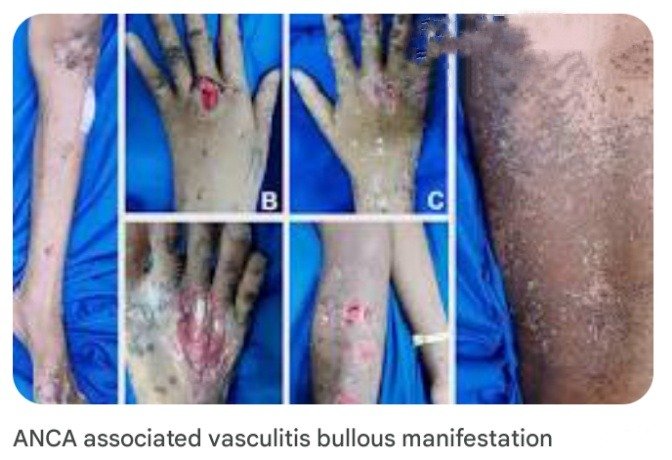
4. ANCA-Associated Vasculitis with Bullous Manifestations
Can involve:
- Skin blisters
- Ulceration
- Kidney disease
- Lung involvement
Causes
The exact cause varies depending on the condition.
Common triggers include:
- Autoimmune diseases
- Infections
- Certain medications
- Immune complex deposition
- Genetic predisposition
- Chronic inflammatory disorders
Symptoms
Patients may experience:
- Fluid-filled blisters
- Blood-filled blisters
- Red or purple skin spots
- Skin ulcers
- Painful skin lesions
- Itching or burning
- Fever
- Joint pain
- Fatigue
Diagnosis
Diagnosis typically involves:
Clinical Examination
A dermatologist evaluates:
- Distribution of lesions
- Nature of blisters
- Associated systemic symptoms
Skin Biopsy
The gold standard for diagnosis.
It helps identify:
- Vessel inflammation
- Immune deposits
- Type of blister formation
Laboratory Tests
Common investigations include:
- Complete blood count (CBC)
- ESR and CRP
- ANA profile
- ANCA testing
- Complement levels
- Urinalysis
Direct Immunofluorescence (DIF)
Used to detect immune deposits in the skin and confirm autoimmune blistering disorders.
Treatment
Treatment depends on the underlying cause.
General Measures
- Wound care
- Infection prevention
- Sun protection
- Avoidance of triggering medications
Medications
Corticosteroids
Often the first-line treatment for active disease.
Immunosuppressive Drugs
Examples:
Dapsone
Particularly effective in some bullous autoimmune conditions.
Biologic Therapy
Used in severe or refractory cases.
Possible Complications
If untreated, chronic vasculobullous disorders may lead to:
- Secondary infections
- Chronic ulcers
- Scarring
- Pigmentary changes
- Organ involvement
- Reduced quality of life
Prevention and Lifestyle Tips
- Follow prescribed treatment regularly.
- Protect skin from trauma.
- Maintain good hygiene.
- Avoid smoking.
- Attend regular medical follow-ups.
- Report new symptoms promptly.
Frequently Asked Questions (FAQ)
1. Are chronic vasculobullous disorders contagious?
No. These conditions are not contagious and cannot spread from person to person.
2. Can these disorders be cured?
Some cases can go into long-term remission, but many require ongoing management.
3. What causes blisters in vasculitis?
Inflammation damages blood vessels, leading to skin injury and blister formation.
4. Is a skin biopsy necessary?
Yes. A skin biopsy is often essential for confirming the diagnosis.
5. Can internal organs be affected?
Yes. Certain vasculitic disorders may affect the kidneys, lungs, nerves, or joints.
6. Are these conditions painful?
Many patients experience pain, burning, or tenderness around affected areas.
7. Can stress worsen symptoms?
Stress may aggravate autoimmune activity in some individuals.
8. When should I seek medical attention?
Seek immediate medical care if you develop widespread blisters, ulcers, fever, or signs of organ involvement.
Conclusion
Chronic vasculobullous disorders are complex conditions involving both blood vessel inflammation and blister formation. Early recognition, accurate diagnosis through skin biopsy and laboratory testing, and timely treatment are essential for preventing complications. With appropriate medical care, regular monitoring, and lifestyle modifications, many patients can achieve good disease control and maintain a healthy quality of life.