What is Erythema Nodosum?
Erythema nodosum (EN) is an inflammatory condition that affects the fat layer beneath the skin (subcutaneous fat). It appears as painful, red, tender lumps, usually on the front of the lower legs (shins). Erythema nodosum is often a sign that the body’s immune system is reacting to an infection, medication, or another underlying condition.
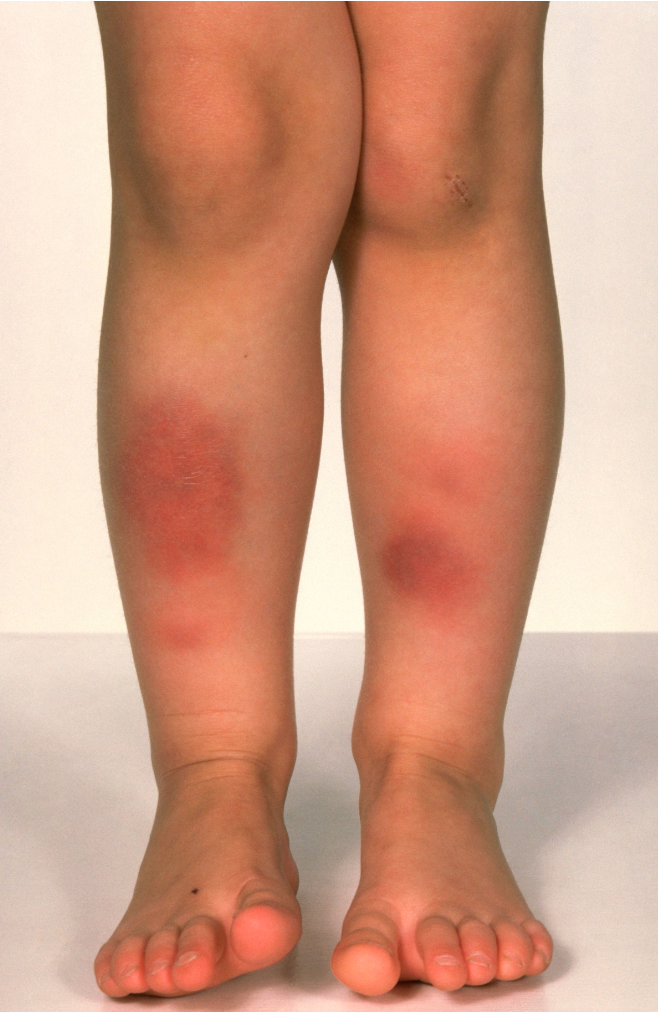
Erythema Nodosum
Causes of Erythema Nodosum
Erythema nodosum can occur due to various triggers, including:
1. Infections
- Streptococcal throat infection
- Tuberculosis
- Fungal infections
- Viral infections
2. Autoimmune and Inflammatory Diseases
3. Medications
- Oral contraceptive pills
- Sulfonamide antibiotics
- Certain anti-inflammatory drugs
4. Pregnancy
Hormonal changes during pregnancy may trigger erythema nodosum in some women.
5. Unknown Causes
In many cases, no specific cause can be identified.
Symptoms
Common symptoms include:
- Painful, red, raised nodules beneath the skin
- Tenderness on touch
- Swelling of the affected area
- Fever
- Fatigue
- Joint pain, especially in the ankles and knees
- Bruise-like color changes as lesions heal
The nodules usually measure 1–5 cm and gradually fade over several weeks without scarring.
Clinical Features
| Feature | Description |
| Location | Usually shins, occasionally thighs and forearms |
| Color | Bright red initially, later purple or brown |
| Pain | Moderate to severe tenderness |
| Duration | 3–8 weeks |
| Scarring | Usually absent |
Diagnosis
A healthcare provider may diagnose erythema nodosum through:
- Physical examination
- Medical history review
- Blood tests
- Throat culture for streptococcal infection
- Chest X-ray (to evaluate sarcoidosis or tuberculosis)
- Skin biopsy in uncertain cases
Treatment
Treatment focuses on addressing the underlying cause.
General Measures
- Adequate rest
- Leg elevation
- Compression stockings (when appropriate)
Medications
- Nonsteroidal anti-inflammatory drugs (NSAIDs)
- Potassium iodide (selected cases)
- Corticosteroids (for severe cases after ruling out infection)
Treating the Underlying Cause
- Antibiotics for bacterial infections
- Management of autoimmune diseases
- Discontinuation of triggering medications
Possible Complications
Although erythema nodosum is generally self-limiting, some patients may experience:
- Persistent pain
- Recurrences
- Underlying systemic disease requiring long-term management
Prevention
- Prompt treatment of infections
- Regular follow-up for autoimmune disorders
- Avoidance of medications known to trigger previous episodes
Frequently Asked Questions (FAQs)
1. Is erythema nodosum contagious?
No. Erythema nodosum itself is not contagious.
2. How long does it take to heal?
Most cases improve within 3–8 weeks.
3. Does erythema nodosum leave scars?
Usually not. The nodules heal without scarring.
4. Can children develop erythema nodosum?
Yes, although it is more common in young adults.
5. Is erythema nodosum dangerous?
The condition itself is usually not dangerous, but it may indicate an underlying disease that requires medical evaluation.
6. Can erythema nodosum come back?
Yes. Recurrences can occur, especially if the underlying cause persists.
7. When should I see a doctor?
Seek medical attention if you develop painful red nodules, fever, joint pain, or recurrent episodes.
Conclusion
Erythema nodosum is a common inflammatory condition characterized by painful red nodules, most often appearing on the shins. While it usually resolves on its own, it can be associated with infections, medications, pregnancy, or systemic diseases such as sarcoidosis and inflammatory bowel disease. Early diagnosis and identification of the underlying cause are important for effective management and prevention of recurrence.🍯🌿