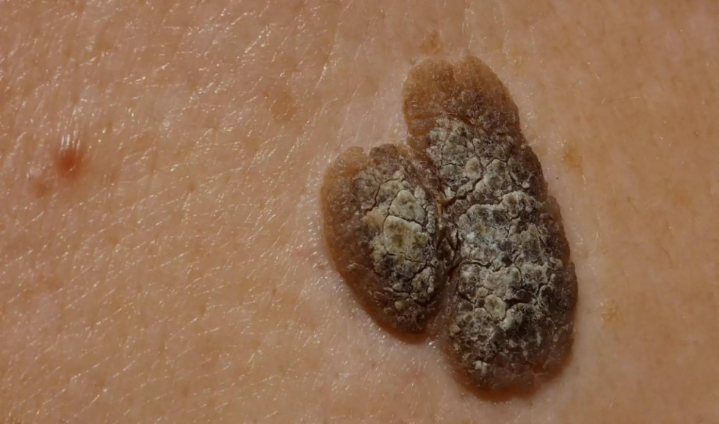
Introduction
Cutaneous neoplasms are abnormal growths of skin cells that may be benign (non-cancerous) or malignant (cancerous). Hyperplasias are non-cancerous increases in the number of normal skin cells, resulting in enlarged tissues or lesions. Early recognition and diagnosis are important for effective treatment and prevention of complications.
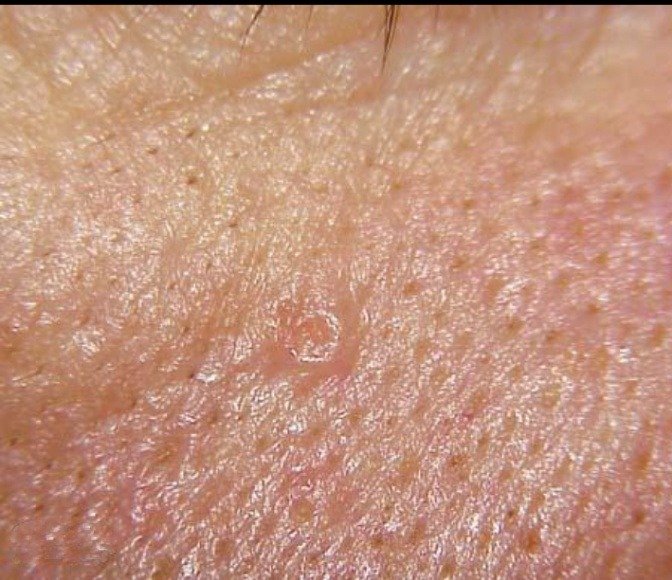
CUTANEOUS NEOPLASMS
What Are Cutaneous Neoplasms?
Cutaneous neoplasms are new and abnormal growths arising from various skin components such as keratinocytes, melanocytes, sebaceous glands, or connective tissues.
Common Types
Benign Neoplasms
- Seborrheic keratosis
- Dermato fibroma
- Melanocytic Nevus
- Skin tags (Acrochordons)
Malignant Neoplasms
- Basal cell Carcinoma
- Squamous cell Carcinoma
- Melanoma
What Are Cutaneous Hyperplasias?
Hyperplasia refers to an increase in the number of normal skin cells, leading to tissue enlargement without cancerous transformation.
Common Types
- Sebaceous Hyperplasia
- Epidermal Hyperplasia
- Pseudoepitheliomatous Hyperplasia
- Gingival Hyperplasia (mucocutaneous)
Characteristics
- Usually benign
- Slow-growing
- Often cosmetic rather than harmful
- May resemble skin tumors and require evaluation
Causes and Risk Factors
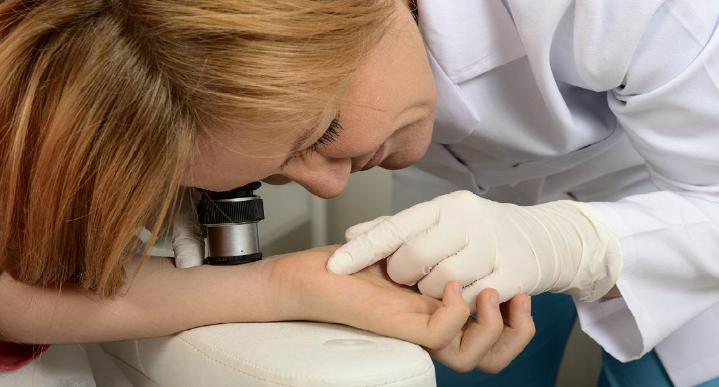
For Neoplasms
- Excessive ultraviolet (UV) exposure
- Fair skin
- Increasing age
- Family history of skin cancer
- Immunosuppression
- Exposure to carcinogenic chemicals
For Hyperplasias
- Aging
- Hormonal influences
- Chronic irritation or inflammation
- Genetic predisposition
- Certain medications
Signs and Symptoms
Benign Lesions
- Stable size and shape
- Uniform color
- Slow growth
- Usually painless
Suspicious Features
- Rapid enlargement
- Irregular borders
- Color variation
- Bleeding or ulceration
- Persistent itching or pain
Remember the ABCDE rule for suspicious pigmented lesions:
- A – Asymmetry
- B – Border irregularity
- C – Color variation
- D – Diameter > 6 mm
- E – Evolving appearance
Diagnosis

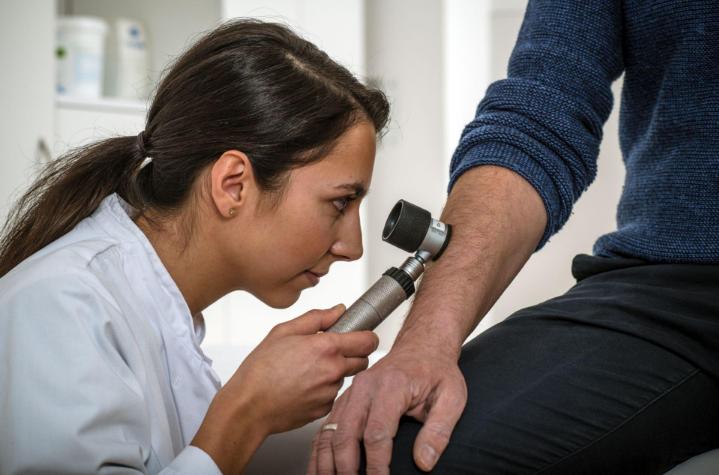
Doctors may use:
- Clinical examination
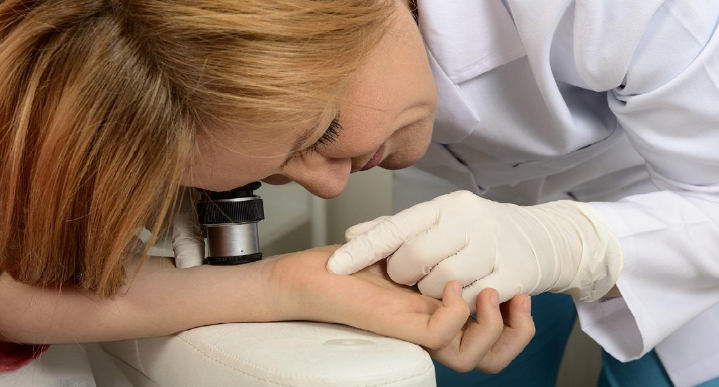
- Dermoscopy
- Skin biopsy
- Histopathological analysis
- Imaging studies (rarely)
Treatment Options
For Benign Neoplasms and Hyperplasias
- Observation
- Cryotherapy
- Electrocautery
- Laser therapy
- Surgical excision
For Malignant Neoplasms
- Surgical excision
- Mohs micrographic surgery
- Radiation therapy
- Immunotherapy
- Targeted therapy
- Chemotherapy (selected cases)
Prevention
- Use sunscreen daily
- Avoid excessive sun exposure
- Wear protective clothing
- Avoid tanning beds
- Perform regular skin self-examinations
- Schedule routine dermatology checkups
Frequently Asked Questions (FAQ)
1. Are all cutaneous neoplasms cancerous?
No. Many cutaneous neoplasms are benign and pose little health risk.
2. What is the difference between a neoplasm and hyperplasia?
A neoplasm is an abnormal new growth of cells, while hyperplasia is an increase in the number of otherwise normal cells.
3. Can hyperplasia become cancer?
Most hyperplasias remain benign, but some conditions may require monitoring depending on their type and location.
4. When should I see a dermatologist?
If a skin lesion changes in size, shape, color, bleeds, or becomes painful, medical evaluation is recommended.
5. What is the most common skin cancer?
Basal cell carcinoma is the most common skin cancer worldwide.
6. Can skin cancer be cured?
Many skin cancers can be successfully treated when detected early.
7. How often should I check my skin?
Monthly self-examinations and regular professional skin evaluations are advisable, especially for high-risk individuals.
Conclusion
Cutaneous neoplasms and hyperplasias encompass a wide range of skin growths, from harmless benign lesions to potentially life-threatening cancers. Understanding their appearance, risk factors, and warning signs helps ensure timely diagnosis and treatment. Regular skin examinations, sun protection, and consultation with a dermatologist for suspicious lesions remain the best strategies for maintaining healthy skin and preventing serious complications. Early detection significantly improves outcomes and quality of life.