Introduction
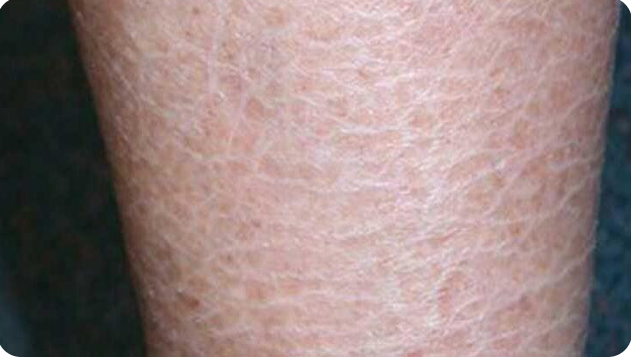
Ichthyosis is a group of skin disorders that cause the skin to become dry, rough, thick, and scaly, giving it a fish-scale-like appearance. The condition may be inherited (genetic) or acquired later in life. Although there is no permanent cure for inherited ichthyosis, proper skin care and treatment can significantly improve symptoms and quality of life.
ICHTHYOSIS
What is Ichthyosis?
Ichthyosis is a disorder in which the skin does not shed dead cells normally. As a result, dead skin builds up, forming thick scales. The severity varies from mild dryness to severe scaling over large areas of the body.
Types of Ichthyosis
- Ichthyosis vulgaris (most common)
- X-linked ichthyosis
- Lamellar ichthyosis
- Congenital ichthyosiform erythroderma
- Harlequin ichthyosis (rare and severe)
- Acquired ichthyosis
Causes
- Inherited genetic mutations
- Family history
- Certain medical conditions (acquired ichthyosis)
- Rarely associated with medications or systemic diseases
Symptoms
- Dry, rough, and scaly skin
- Thickened skin on the hands and feet
- Itching
- Cracked skin
- Tightness after bathing
- Symptoms often worsen during cold, dry weather
Diagnosis
- Clinical examination
- Family history
- Skin biopsy (if needed)
- Genetic testing in selected cases
Treatment
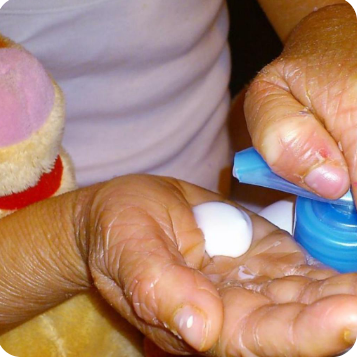
- Regular use of moisturizers
- Urea-, lactic acid-, or salicylic acid-containing creams
- Gentle exfoliation
- Warm baths followed by immediate moisturizing
- Oral retinoids in severe cases (under specialist supervision)
- Avoid harsh soaps and long hot showers
Home Care Tips
- Apply moisturizer several times a day.
- Drink adequate water.
- Use a humidifier in dry climates.
- Wear soft cotton clothing.
- Avoid scratching the skin.
Possible Complications
- Skin infections
- Painful skin cracks
- Overheating due to reduced sweating
- Emotional and social stress in severe cases
Frequently Asked Questions (FAQ)
1. Is ichthyosis contagious?
No. It cannot spread from one person to another.
2. Can ichthyosis be cured?
Inherited ichthyosis cannot usually be cured, but treatment helps control symptoms effectively.
3. Does weather affect ichthyosis?
Yes. Cold and dry weather often makes the condition worse.
4. Can children have ichthyosis?
Yes. Many forms are present from birth or develop during childhood.
5. Which moisturizer is best?
Moisturizers containing urea, ceramides, lactic acid, or glycerin are commonly recommended, depending on the individual’s skin and a doctor’s advice.
6. Is ichthyosis life-threatening?
Most forms are not life-threatening, but rare severe types, such as Harlequin ichthyosis, require specialized medical care.
Conclusion
Ichthyosis is a chronic skin condition that requires consistent daily care. Regular moisturizing, gentle skin care, and appropriate medical treatment can reduce scaling, relieve discomfort, and improve quality of life. Early diagnosis and long-term follow-up with a dermatologist are important for the best outcomes.