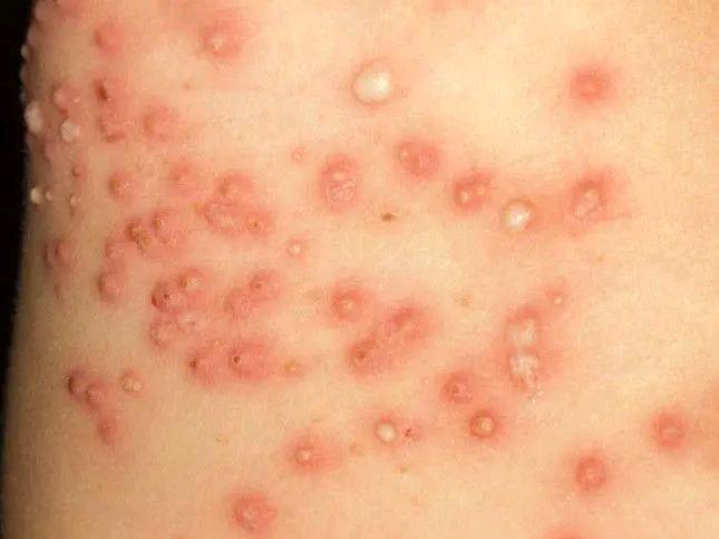
Introduction
A rash with fever is a common clinical presentation that may range from a mild viral illness to a life-threatening medical emergency. Careful evaluation of the type of rash, onset, distribution, associated symptoms, and patient age is essential for making the correct diagnosis.
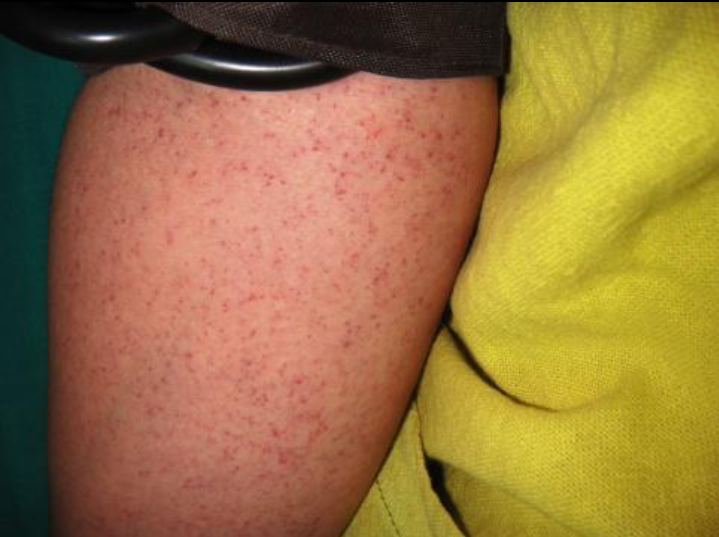
SKIN RASH WITH FEVER
Common Differential Diagnoses
1. Measles (Rubeola)
- High fever, cough, runny nose, red eyes
- Koplik spots inside the mouth
- Rash begins on the face and spreads downward
2. Rubella
- Mild fever with pink rash
- Swollen lymph nodes behind the ears and neck
- Rash spreads rapidly over the body
3. Chickenpox (Varicella)
- Fever followed by itchy fluid-filled blisters
- Lesions appear in different stages
- Starts on the trunk before spreading
4. Dengue Fever
- High fever, severe body pain
- Petechial rash or flushed skin
- Bleeding tendency in severe cases
5. Scarlet Fever
- Fever, sore throat
- Fine “sandpaper-like” rash
- Strawberry tongue
6. Meningococcal Infection
- High fever with non-blanching petechiae or purpura
- Neck stiffness and altered consciousness
- Medical emergency
7. Hand, Foot and Mouth Disease
- Fever with painful mouth ulcers
- Rash on hands, feet, and buttocks
- Common in children
8. COVID-19 or Other Viral Exanthems
- Fever with generalized rash
- Respiratory or gastrointestinal symptoms may occur
9. Drug Eruption
- Rash develops after starting a new medication
- Fever may accompany severe reactions (e.g., DRESS, Stevens-Johnson syndrome)
10. Typhoid Fever (Rose Spots)
- Persistent fever
- Faint pink spots on the abdomen and chest
- Gastrointestinal symptoms
Diagnostic Approach
- Detailed history (travel, vaccination, medications, insect bites)
- Physical examination
- Complete blood count (CBC)
- Liver and kidney function tests
- Blood culture (if bacterial infection is suspected)
- Viral serology (Dengue, Measles, Rubella, etc.)
- Skin biopsy (selected cases)
Treatment
- Treat the underlying cause.
- Maintain adequate hydration.
- Use paracetamol for fever (avoid aspirin in children).
- Antibiotics only for confirmed bacterial infections.
- Antiviral medications when indicated.
- Immediate hospitalization for suspected meningococcal infection, severe dengue, or Stevens-Johnson syndrome.
Prevention
- Vaccination (MMR, Varicella)
- Hand hygiene
- Mosquito control
- Avoid close contact with infected individuals
- Safe medication practices
Frequently Asked Questions (FAQ)
Q1. Is every fever with rash dangerous?
No. Many cases are viral and self-limiting, but some require urgent medical attention.
Q2. When should I seek emergency care?
If the rash is purple/non-blanching, rapidly spreading, associated with difficulty breathing, confusion, severe headache, seizures, or persistent vomiting.
Q3. Can allergies cause fever with a rash?
Simple allergies usually do not cause fever. Fever may occur with severe drug reactions.
Q4. Which tests are commonly recommended?
CBC, blood cultures, viral tests, dengue tests, throat swab (if indicated), and other investigations based on clinical suspicion.
Q5. Can adults also develop fever with rash?
Yes. Viral infections, bacterial infections, drug reactions, and autoimmune diseases can affect adults.
Conclusion
A rash accompanied by fever should never be ignored. While many causes are mild and self-limiting, others can be rapidly life-threatening. Early clinical evaluation, timely investigations, and appropriate treatment are essential for preventing complications and ensuring the best outcome.