Introduction
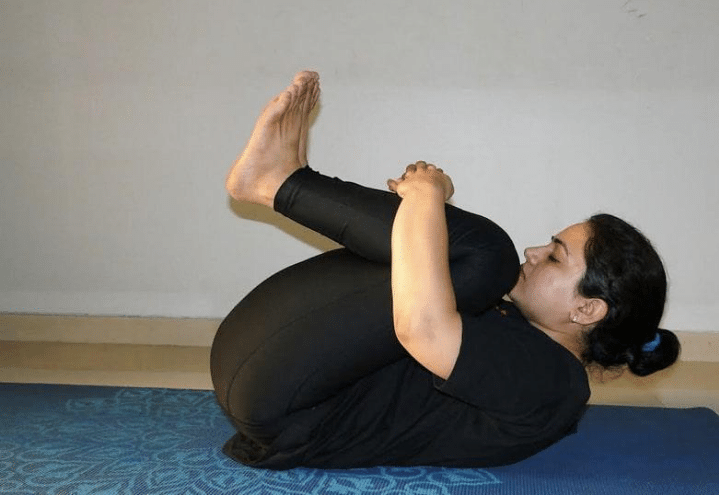
Pawanmuktasana, also known as the Wind-Relieving Pose, is a simple yoga asana in which the knees are brought toward the chest. The name comes from the Sanskrit words Pawan (wind), Mukta (release), and Asana (pose).
This pose is traditionally practiced to support digestion and may help relieve feelings of abdominal heaviness and gas. It also provides a gentle stretch to the lower back and hips.

WIND – RELIEVING POSE
How to Perform Pawanmuktasana

- Lie comfortably on your back on a yoga mat.
- Keep your legs together and arms beside your body.
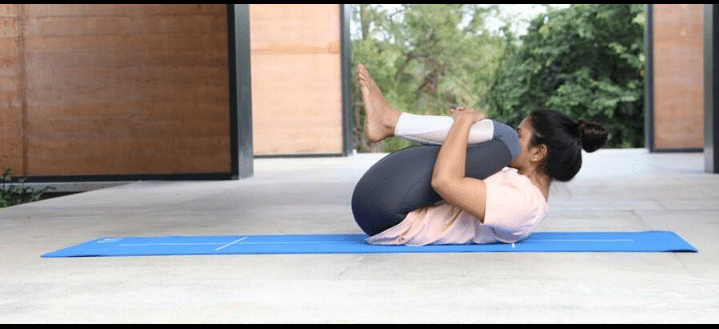
- Slowly bend both knees and bring them toward your chest.
- Wrap your arms around your knees.
- Gently press the thighs toward your abdomen.
- Keep your head and shoulders relaxed on the floor.
- Breathe slowly and comfortably while holding the position.
- Hold for about 15–30 seconds initially.
- Slowly release your arms and extend your legs.
- Relax and repeat 2–3 times if comfortable.
Tip: Do not force your knees toward your chest. The movement should be gentle and comfortable.
Benefits of Pawanmuktasana
Regular practice may provide the following benefits:
- 🌿 May support healthy digestion
- 💨 May help with gas and abdominal discomfort
- 🧘 May gently stretch the lower back
- 🦵 Helps improve flexibility of the hips and lower back
- 😌 Can promote relaxation
- 💪 May gently engage the abdominal muscles
- ❤️ Can be included as part of a regular yoga routine
Precautions
Pawanmuktasana is generally gentle, but some people should practice it cautiously.
Avoid or seek professional guidance before practicing if you have:
- A recent abdominal or spinal surgery
- A serious back or neck problem
- A hernia
- Severe abdominal pain
- Pregnancy, particularly later stages
- A serious hip or knee injury
Stop immediately if you experience pain, dizziness, breathing difficulty, or unusual discomfort.
Best Time to Practice
Pawanmuktasana is usually more comfortable when practiced on an empty or relatively light stomach. Many people include it in a morning yoga routine or practice it several hours after a meal.
Frequently Asked Questions (FAQ)
1. What is Pawanmuktasana?
Pawanmuktasana is a reclining yoga posture in which the knees are brought toward the chest. It is commonly called the Wind-Relieving Pose.
2. Can Pawanmuktasana help with gas?
It may help some people with gas and abdominal discomfort by gently compressing and relaxing the abdomen. However, persistent or severe digestive symptoms should be medically evaluated.
3. How long should I hold Pawanmuktasana?
Beginners can start with 15–30 seconds and gradually increase the duration according to comfort.
4. Can beginners practice this pose?
Yes. It is considered a relatively simple pose, but beginners should perform it gently and avoid forcing the knees toward the chest.
5. Can I practice Pawanmuktasana after eating?
It is better to practice it on an empty stomach or after sufficient time has passed following a meal, rather than immediately after eating.
6. Does Pawanmuktasana reduce belly fat?
Pawanmuktasana alone cannot specifically reduce belly fat. A balanced diet, regular physical activity, and an overall healthy lifestyle are more important for fat loss.
7. Can I practice it every day?
For most healthy people, gentle daily practice can be incorporated into a yoga routine if it feels comfortable.
Conclusion
Pawanmuktasana is a simple and accessible yoga posture that can be a useful part of a regular yoga routine. It gently works on the abdomen, hips and lower back and may support comfortable digestion and relaxation. Practice it slowly, breathe naturally, and never force the body into the position.
Yoga works best when practiced regularly, mindfully, and according to your individual abilities. 🧘♀️🌿