Introduction
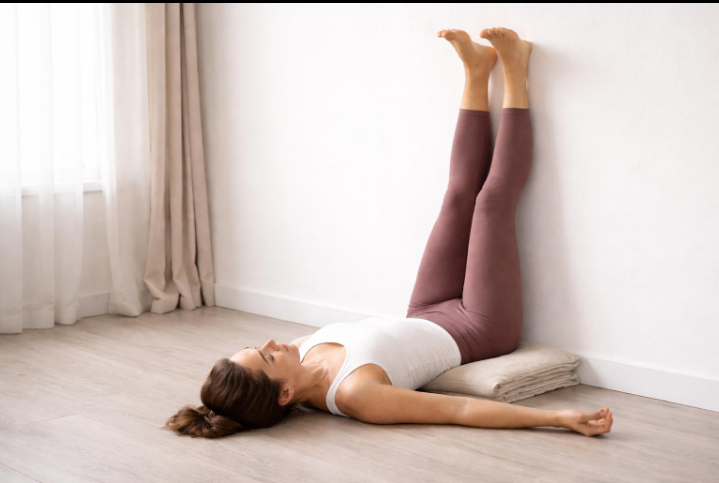
Viparita Karani (Legs-Up-the-Wall Pose) is a gentle restorative yoga pose that helps the body and mind relax deeply. The Sanskrit word Viparita means “inverted,” and Karani means “action” or “gesture.” This pose allows the legs to rest vertically against a wall while the upper body remains on the floor, promoting circulation, reducing stress, and relieving tired legs.
It is suitable for beginners, seniors, and anyone looking for a simple yet highly effective yoga posture.
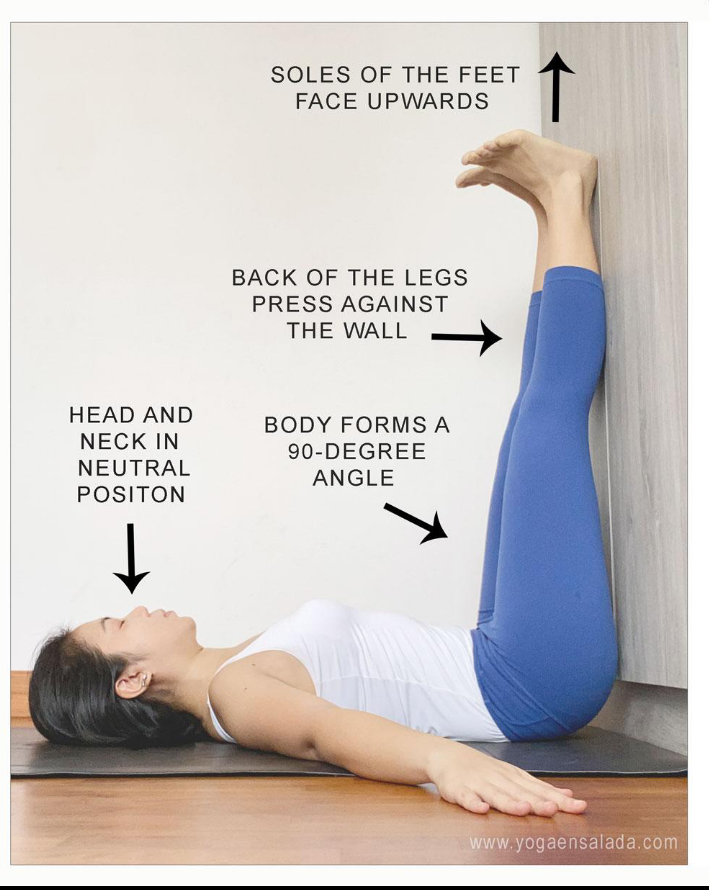
Legs – Up – the Wall Pose
How to Do Viparita Karani
- Sit sideways close to a wall.
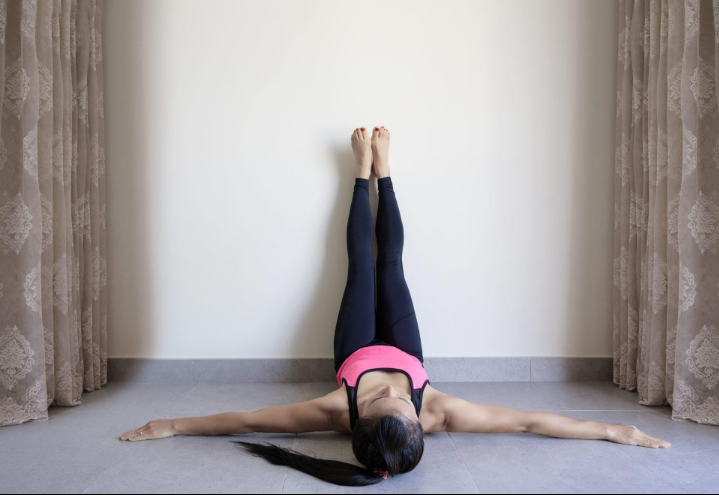
- Gently lie down on your back while swinging your legs up the wall.
- Keep your hips close to the wall as comfortable.
- Rest your arms beside your body with palms facing upward.
- Close your eyes and breathe slowly.
- Stay in the pose for 5–15 minutes.
- Bend your knees, roll onto one side, and slowly sit up.
Health Benefits
- Improves blood circulation.
- Relieves tired and swollen legs.
- Reduces stress, anxiety, and mental fatigue.
- Promotes relaxation and better sleep.
- Helps reduce mild lower back discomfort.
- Gently stretches the hamstrings.
- May ease symptoms of mild varicose veins.
- Supports recovery after long hours of standing or sitting.
- Encourages deep breathing and mindfulness.
Precautions
Avoid or practice only under professional guidance if you have:
- Glaucoma or increased eye pressure.
- Serious neck or spinal injuries.
- Uncontrolled high blood pressure (consult your doctor).
- Recent abdominal or pelvic surgery.
- Severe heart disease unless approved by your healthcare provider.
Pregnant women should consult their healthcare provider or a qualified prenatal yoga instructor before practicing.
Best Time to Practice
- In the evening after work.
- Before bedtime to promote restful sleep.
- After long travel or prolonged standing.
- On an empty stomach or at least 2–3 hours after a meal.
Tips for Beginners
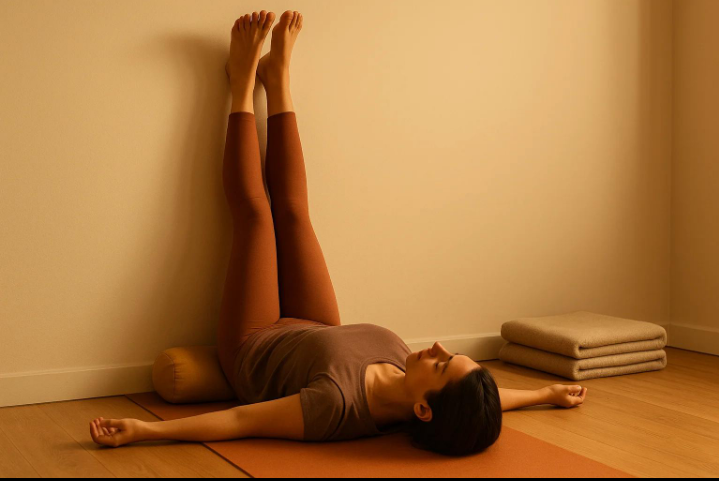
- Place a folded blanket or bolster under your hips for extra comfort.
- Keep your knees slightly bent if your hamstrings feel tight.
- Focus on slow, deep breathing.
- Avoid forcing your hips close to the wall.
Frequently Asked Questions (FAQ)
1. How long should I stay in Viparita Karani?
Beginners can start with 5 minutes and gradually increase to 10–15 minutes.
2. Can I practice Viparita Karani every day?
Yes. It is gentle enough for daily practice if it feels comfortable.
3. Does this pose help with stress?
Yes. It calms the nervous system and encourages deep relaxation.
4. Can beginners do this pose?
Absolutely. It is one of the easiest and most beginner-friendly restorative yoga poses.
5. Is it good for swollen feet?
Yes. Elevating the legs may help reduce mild swelling caused by prolonged standing or sitting.
6. Does it improve sleep?
Many people find it relaxing before bedtime, which may help improve sleep quality.
7. Can I use a pillow or bolster?
Yes. A bolster or folded blanket under the hips can make the pose more comfortable.
Conclusion
Viparita Karani is a simple yet powerful restorative yoga pose that helps refresh the body and calm the mind. Regular practice may improve circulation, relieve tired legs, reduce stress, and promote better sleep. Practice gently, breathe deeply, and listen to your body’s limits. If you have a medical condition or are recovering from an injury, seek advice from your healthcare provider before beginning this pose.