Introduction
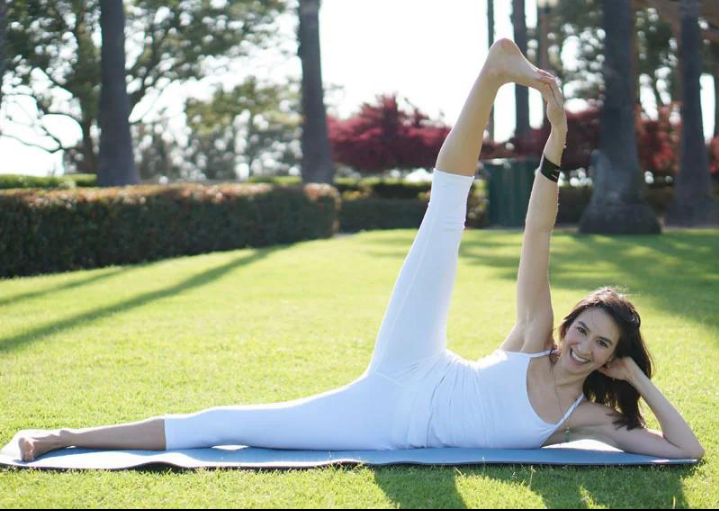
Anantasana, also known as the Side-Reclining Leg Lift Pose, is a gentle yet effective yoga posture that improves balance, strengthens the core, tones the legs, and enhances flexibility. The pose is named after , symbolizing stability, eternity, and inner peace. This asana is suitable for beginners and intermediate practitioners when performed with proper alignment.
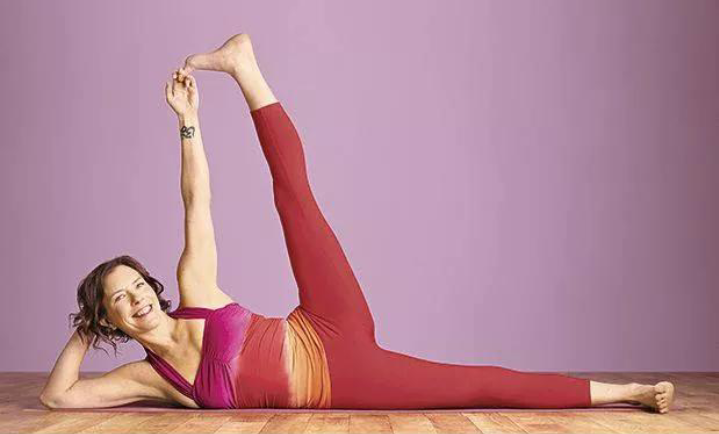
Side – Reclining Leg Lift Pose
How to Perform Anantasana
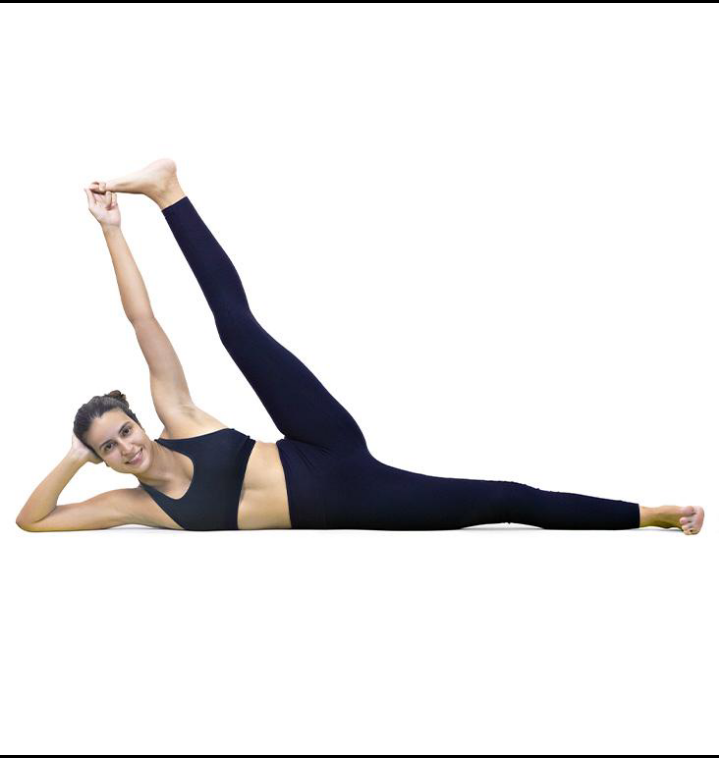
- Lie on your right side with your legs extended.
- Rest your head comfortably on your right palm, keeping your right elbow directly under your shoulder.
- Stack your hips and keep your body in one straight line.
- Inhale deeply.
- Exhale and slowly lift your left leg toward the ceiling without bending the knee.
- Hold your left big toe with your left hand if possible, or simply keep the leg lifted.
- Breathe normally and hold for 20–30 seconds.
- Lower the leg gently and repeat on the opposite side.
Health Benefits
- Strengthens the core and abdominal muscles.
- Improves hip flexibility and mobility.
- Tones the thighs, calves, and glutes.
- Enhances balance and body coordination.
- Stretches the hamstrings and inner thighs.
- Improves posture and spinal alignment.
- Helps relieve mild lower back stiffness.
- Promotes concentration and body awareness.
Precautions
- Avoid this pose if you have a recent hip, knee, or shoulder injury.
- Practice carefully if you have severe lower back pain.
- Do not overstretch the lifted leg.
- Keep your breathing slow and steady.
- Beginners may use a yoga strap for support.
Common Mistakes
- Rolling the hips backward.
- Locking the knee too forcefully.
- Holding the breath.
- Raising the leg beyond a comfortable range.
- Collapsing the supporting shoulder.
Who Should Avoid Anantasana?
Avoid or modify this pose if you have:
- Severe shoulder injuries
- Hip replacement surgery
- Acute sciatica
- Serious balance disorders
- Recent abdominal surgery
Consult a qualified yoga instructor or healthcare professional before practicing if you have any medical concerns.
Tips for Beginners
- Practice near a wall for extra stability.
- Use a yoga strap around the foot if you cannot reach your toes.
- Keep the lower leg active and straight.
- Focus on proper alignment rather than lifting the leg very high.
Frequently Asked Questions (FAQ)
Q1. What does Anantasana mean?
Anantasana means the “Pose of Ananta,” representing stability, calmness, and infinity.
Q2. Is Anantasana suitable for beginners?
Yes. Beginners can practice it with a yoga strap or by simply lifting the leg without holding the foot.
Q3. How long should I hold the pose?
Hold it for 20–30 seconds on each side while breathing normally.
Q4. Which muscles are strengthened?
The core, hip muscles, thighs, glutes, and legs are primarily strengthened.
Q5. Can Anantasana help improve flexibility?
Yes. It stretches the hamstrings, inner thighs, hips, and groin, gradually improving flexibility.
Q6. Should I practice this pose every day?
Yes, if performed correctly and without pain, it can be included in your daily yoga routine.
Conclusion
Anantasana is a graceful yoga posture that combines strength, flexibility, and balance. Regular practice helps develop a stronger core, healthier hips, improved posture, and greater body awareness. Whether you are a beginner or an experienced yoga practitioner, adding the Side-Reclining Leg Lift Pose to your routine can contribute to better physical stability and mental relaxation. Practice mindfully, breathe deeply, and enjoy the calming benefits of this elegant pose.