Introduction
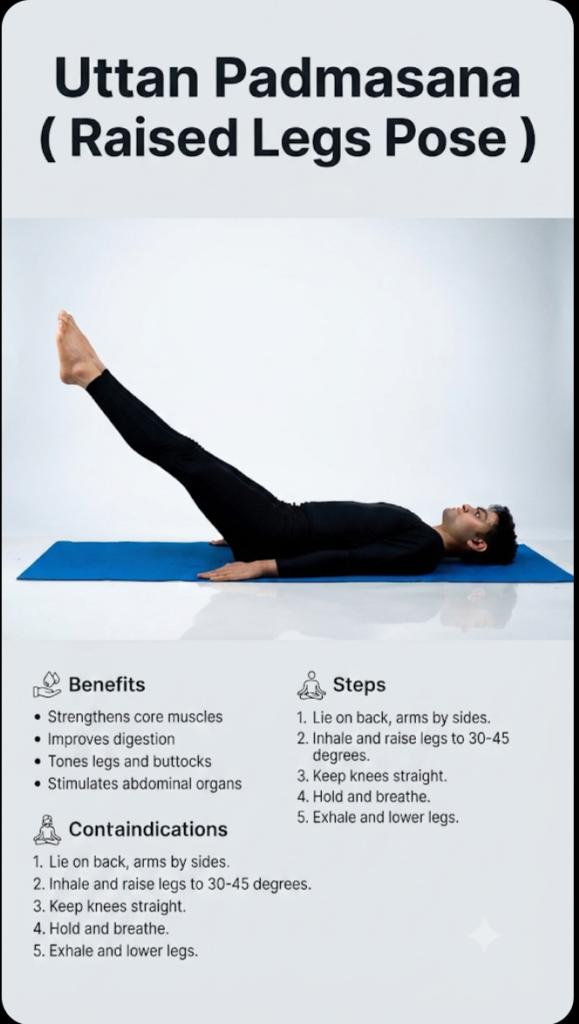
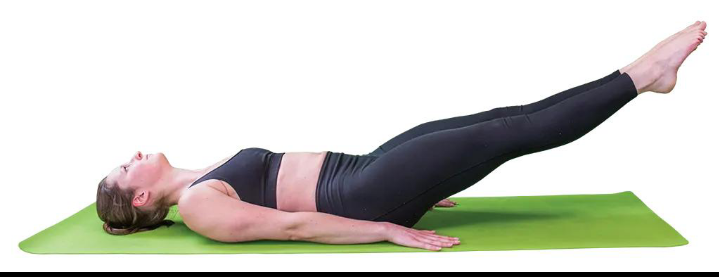
Uttan Padasana, commonly known as Raised Legs Pose, is a supine yoga posture in which the legs are slowly lifted while the practitioner lies on the back. The Sanskrit words Uttana mean raised or stretched, Pada means leg, and Asana means posture. The pose primarily engages the abdominal and pelvic muscles while encouraging controlled breathing and body awareness.
How to Perform Uttan Padasana
- Lie comfortably on your back on a yoga mat.
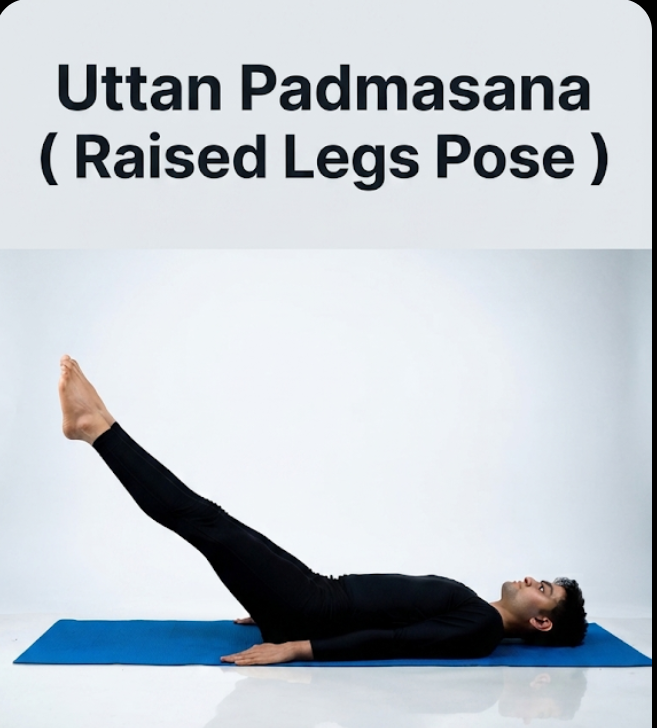
- Keep both legs straight and together, with the arms beside the body and palms facing downward.
- Relax your shoulders and keep your lower back comfortably supported.
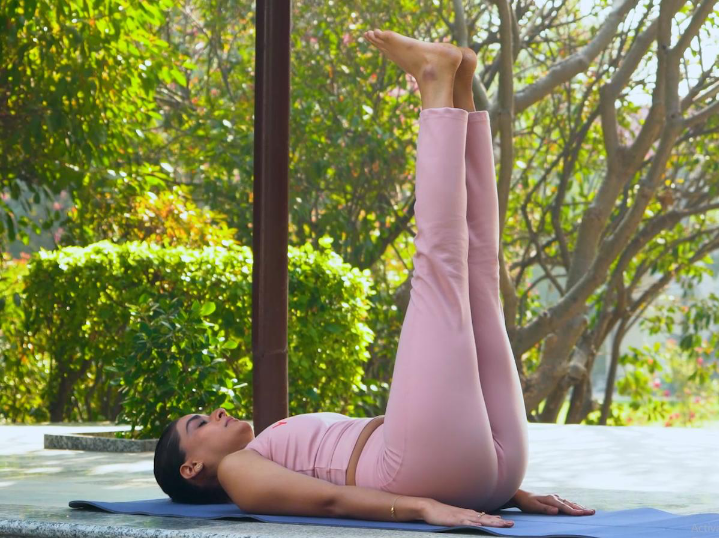
- Inhale slowly and raise both legs without bending the knees.
- Beginners can raise the legs to around 30 degrees; the height can be gradually increased according to comfort and ability.
- Maintain the position while breathing normally for about 10–30 seconds.
- Exhale slowly and lower the legs back to the floor.
- Relax in Shavasana for a short time.
Benefits of Uttan Padasana
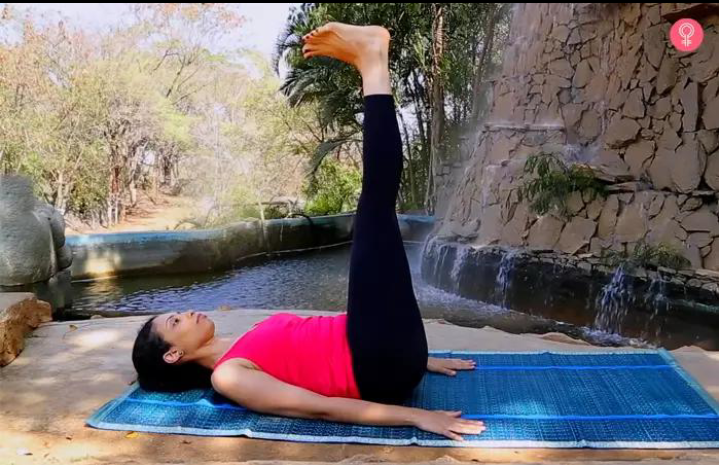
Regular, appropriate practice may:
- Strengthen the abdominal and pelvic-floor muscles.
- Engage the lower back and hip muscles.
- Stretch and activate the abdominal region.
- Support digestion and may help relieve constipation.
- Improve awareness of breathing and body control.
- Help develop core stability and muscular endurance.
Important: Yoga should complement, not replace, appropriate medical treatment. Benefits can vary from person to person.
Precautions and Contraindications
Uttan Padasana can place significant demand on the abdominal and lower-back muscles, so it should be performed gradually.
Avoid or seek professional guidance before practising if you have:
- A hernia or peptic ulcer.
- Significant or ongoing lower-back problems.
- Recent abdominal or back surgery.
- Pregnancy, particularly later pregnancy.
- High blood pressure or other medical conditions requiring exercise restrictions.
Never hold your breath or force the legs higher than you can comfortably control. If you experience pain, stop the practice.
Tips for Beginners
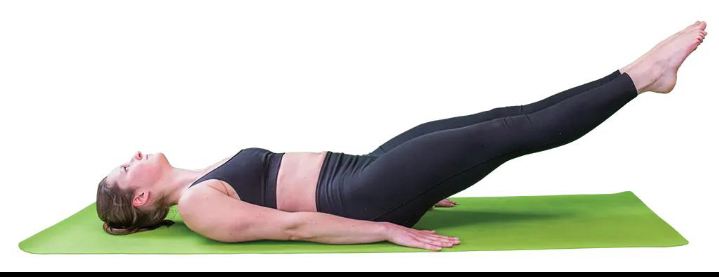
Start with one leg at a time if lifting both legs feels difficult. You can also begin with a smaller angle, such as 20–30 degrees, and gradually progress as your core strength improves. Keep the movement slow and controlled rather than using momentum.
Frequently Asked Questions (FAQs)
1. What is Uttan Padasana?
Uttan Padasana is a yoga posture performed while lying on the back, with the legs raised while keeping them relatively straight.
2. What is Uttan Padasana also called?
It is commonly called Raised Legs Pose, Raised Leg Pose, or Raised Foot Pose.
3. How long should beginners hold the pose?
Beginners can start with just a few comfortable breaths and gradually work toward a 10–30-second hold, depending on their ability.
4. Can beginners practise Uttan Padasana?
Yes. Beginners should start with a lower leg angle or practise one leg at a time rather than forcing both legs upward.
5. Does Uttan Padasana strengthen the abdomen?
Yes. The posture requires sustained engagement of the abdominal and core muscles, making it useful as part of a broader core-strengthening yoga routine.
6. Can people with back pain practise it?
Not without appropriate guidance. Because the posture can place stress on the lower back, people with significant back problems should consult a qualified healthcare professional or experienced yoga teacher first.
7. Should I hold my breath while doing this pose?
No. Maintain smooth, comfortable breathing throughout the posture. The Government of India’s Common Yoga Protocol specifically advises maintaining normal breathing.
8. What should I do after Uttan Padasana?
Relax on your back, preferably in Shavasana, allowing the abdominal and leg muscles to relax.
Conclusion
Uttan Padasana is a simple-looking but effective yoga posture that can help develop core strength, abdominal control, and body awareness. Practise it slowly, maintain comfortable breathing, and progress gradually rather than forcing the legs higher. For people with medical conditions, pregnancy, recent surgery, or significant back problems, professional guidance is recommended before practising.
Breathe gently, move slowly, and practise consistently for a healthier body and calmer mind. ❤️