Introduction
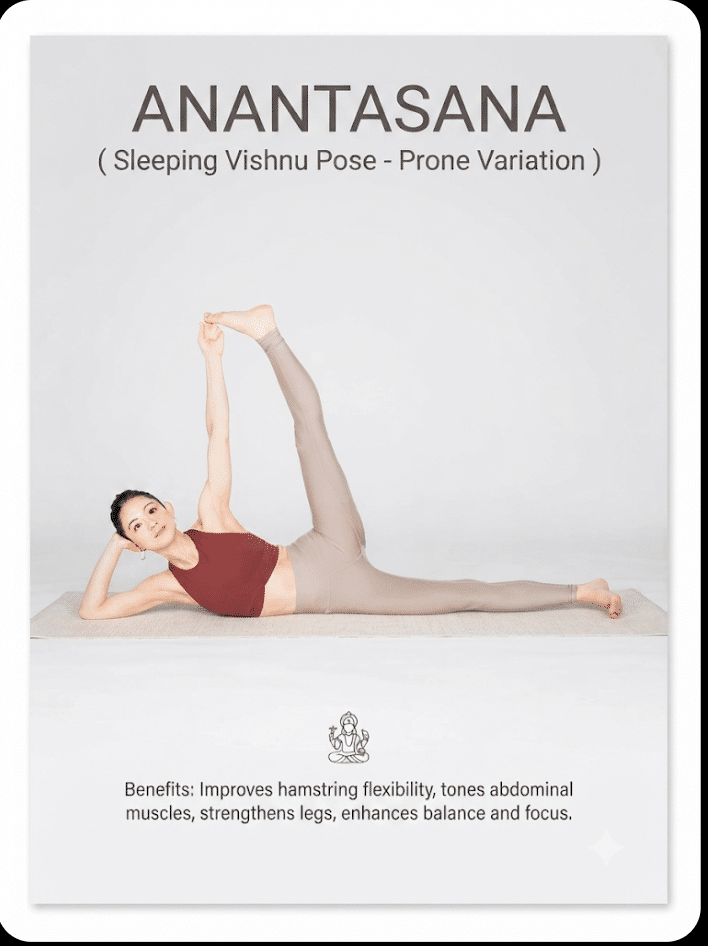
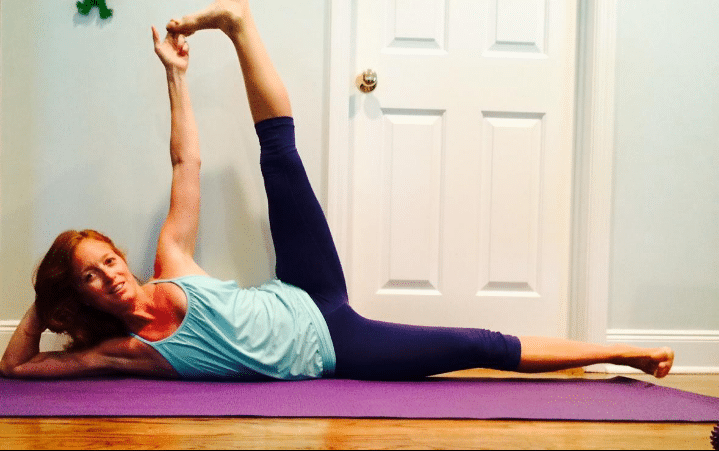
Anantasana, commonly known as Sleeping Vishnu Pose, Vishnu’s Couch Pose, or Side-Reclining Leg Lift, is a side-reclining yoga posture that combines flexibility, balance, core stability, and mindful breathing. The Sanskrit word Ananta means “infinite” or “endless” and refers to Ananta Shesha, the serpent associated with Lord Vishnu.
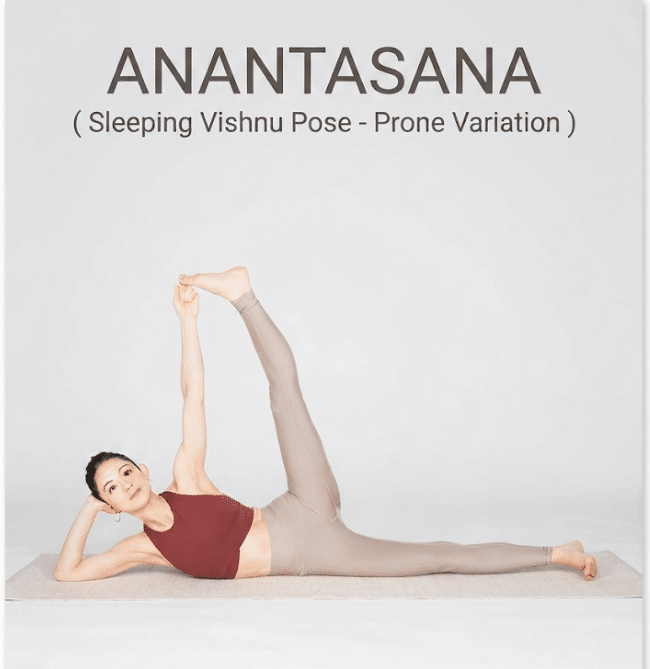
Note: Anantasana is traditionally a side-reclining posture. If by “prone variation” you mean a specific modified version, the technique may differ.
How to Perform Anantasana
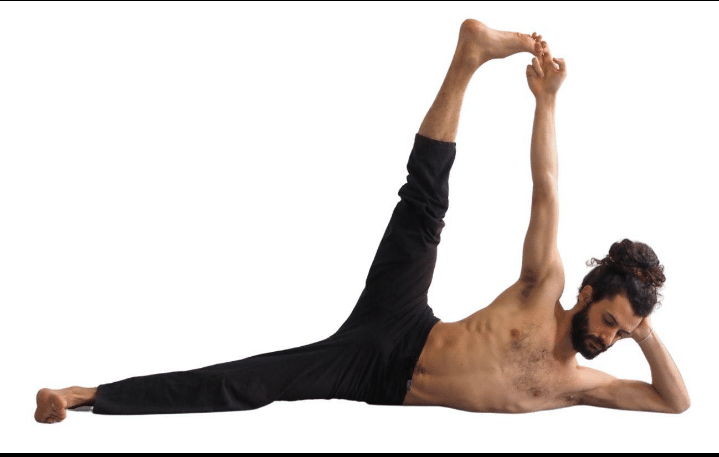
- Lie comfortably on your right side on a yoga mat.
- Keep your legs extended and your body in one long line.
- Bend your right elbow and support your head with your right hand.
- Engage your abdominal muscles gently to maintain stability.
- Bend the upper leg and hold the big toe with the corresponding hand.
- Slowly straighten the upper leg toward the ceiling as far as comfortable.
- Keep your breathing slow and steady and avoid forcing the stretch.
- Hold for several comfortable breaths.
- Slowly lower the leg and relax.
- Repeat the posture on the opposite side.
Benefits of Anantasana
Regular, mindful practice may help:
- Improve balance and coordination.
- Strengthen the core and side abdominal muscles.
- Stretch the hamstrings, calves, inner thighs, hips, and side body.
- Improve hip and leg flexibility.
- Develop concentration and body awareness.
- Promote relaxation and calm, controlled breathing.
Beginner-Friendly Modification
If you cannot comfortably reach your toes, use a yoga strap around the lifted foot. You can also practise with support from a wall or bolster. The aim is to maintain comfortable alignment rather than forcing the leg higher.
Precautions
Anantasana can look easy but requires good balance and flexibility. Practise gently and avoid forcing the leg.
People with recent injuries or surgery involving the neck, shoulder, spine, hip, knee, or lower back should seek appropriate professional guidance before practising. Those with significant back problems, such as a slipped disc, should be particularly cautious. Stop if you experience pain, dizziness, or unusual discomfort.
Common Mistakes
- Lifting the leg too high and losing alignment.
- Rolling the hips backward or forward.
- Holding the breath.
- Collapsing through the supporting shoulder.
- Trying to touch the foot instead of maintaining a stable, comfortable posture.
Frequently Asked Questions
1. Is Anantasana suitable for beginners?
Yes, beginners can practise a modified version with a strap, wall, or other support. It is best to learn the alignment gradually.
2. What does Anantasana mean?
Ananta means infinite or endless, while asana means posture. The name is associated with the imagery of Lord Vishnu reclining on Ananta Shesha.
3. Which muscles are stretched in Anantasana?
The pose primarily stretches the hamstrings, inner thighs, calves, hips, and side body, while the core works to maintain balance.
4. Can I use a yoga strap?
Yes. A strap can make the pose more accessible when you cannot comfortably reach the big toe.
5. How long should I hold Anantasana?
Beginners can start with a few slow breaths on each side and gradually increase the duration as comfort and stability improve.
6. Should I practise Anantasana if I have an injury?
Do not practise through pain. If you have a significant injury or have recently undergone surgery, consult an appropriate healthcare professional or qualified yoga instructor before attempting the pose.
Conclusion
Anantasana (Sleeping Vishnu Pose) is a beautiful combination of balance, flexibility, strength, and mindfulness. Practising it patiently can help develop greater body awareness while stretching the legs and side body and challenging core stability. Start with a comfortable variation, breathe naturally, and progress gradually rather than forcing the posture.
Practice with awareness, breathe with ease, and let your body progress at its own pace. 🧘♀️✨