🌿 Pranayama: The Art of Conscious Breathing
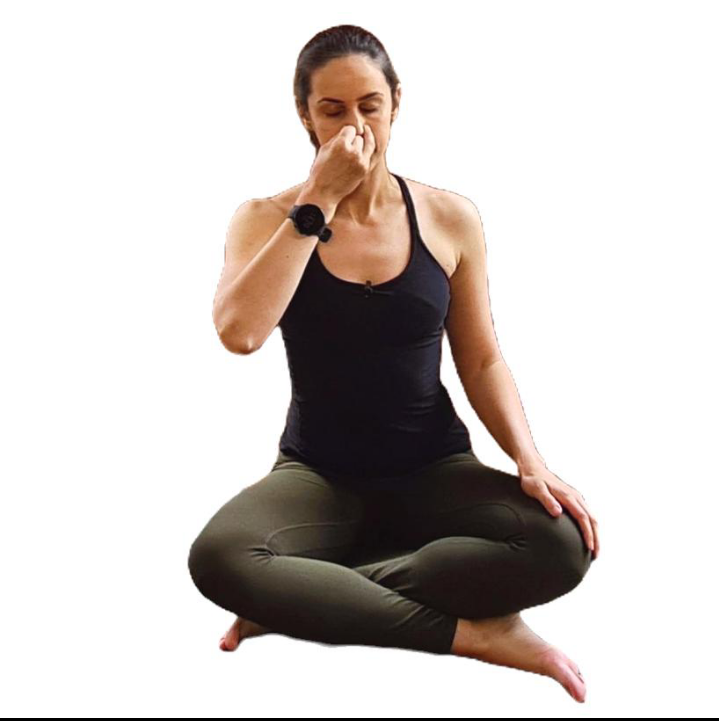
Pranayama is a traditional yogic practice involving conscious regulation of breathing. In yoga, breathing techniques are practiced along with physical postures and meditation. Regular, gentle breathing practices may support relaxation, stress management and overall well-being.
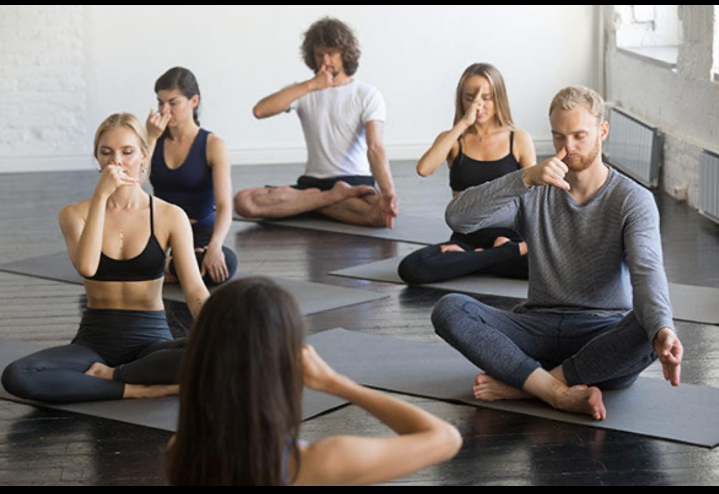
PRANAYAMA
🌬️ What Is Pranayama?
The word Pranayama is commonly understood in yoga as the regulation or expansion of the breath. It involves consciously controlling aspects of breathing such as inhalation, exhalation and, in some techniques, breath retention.
The main purpose for beginners should be to develop slow, comfortable and controlled breathing, rather than trying to hold the breath for long periods.
🧘 7 Common Pranayama Practices
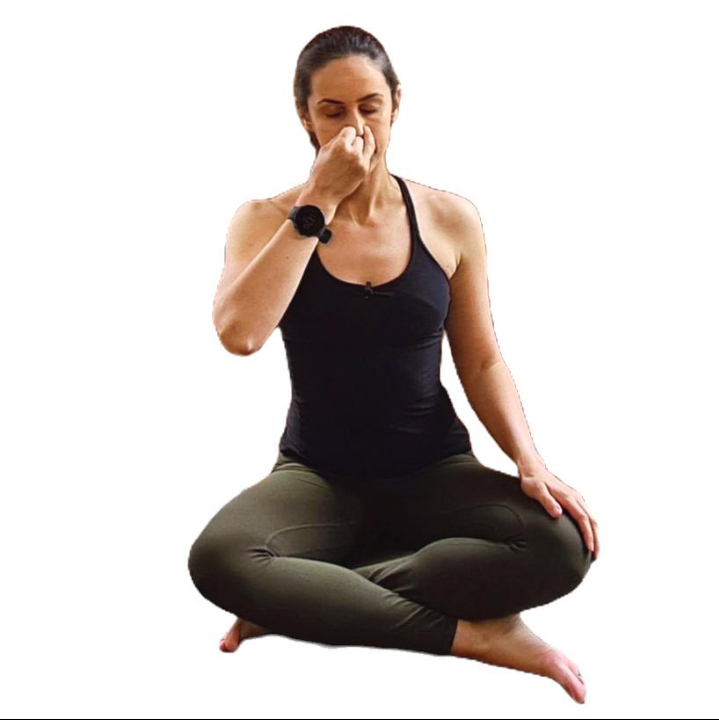
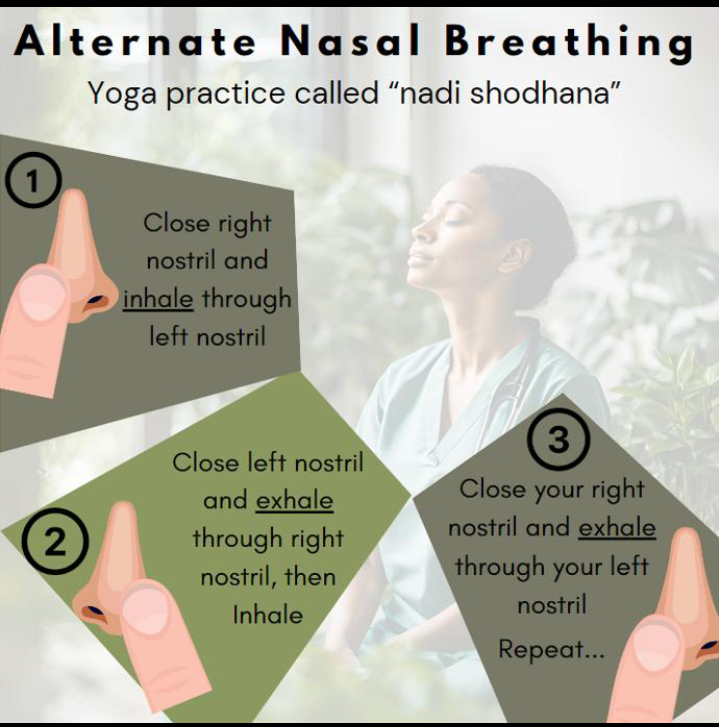
1. Nadi Shodhana — Alternate Nostril Breathing
This involves gently breathing through alternate nostrils. It is commonly practiced as a calming and focused breathing exercise.
Beginner approach: Breathe slowly and comfortably without forcing breath retention.
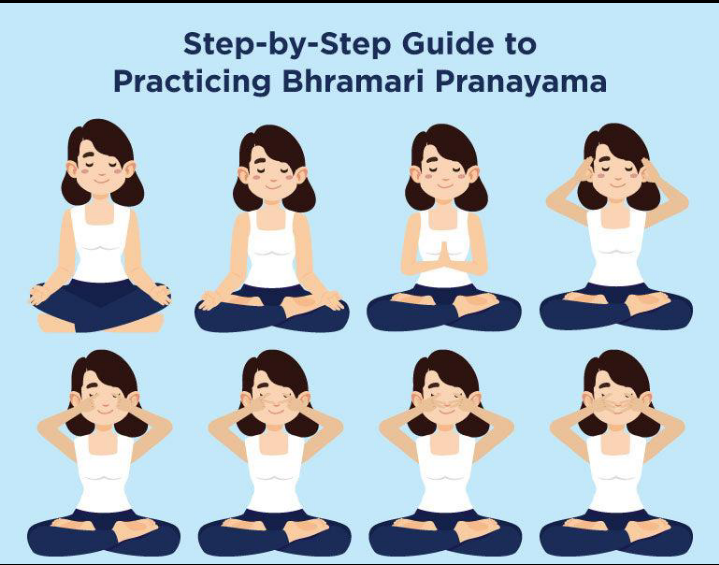
2. Bhramari — Humming Bee Breath
A gentle humming sound is produced during exhalation. It can be incorporated into relaxation and mindfulness practices.
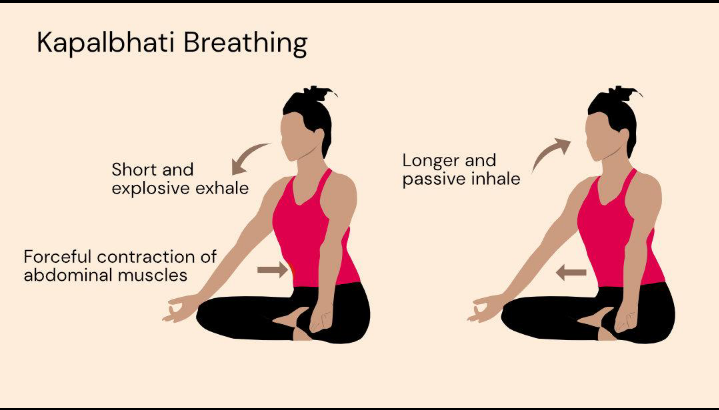
3. Kapalabhati
Kapalabhati uses repeated, active exhalations with relatively passive inhalations. Because it is a more forceful breathing technique, beginners should learn it from a qualified instructor rather than practicing aggressively.
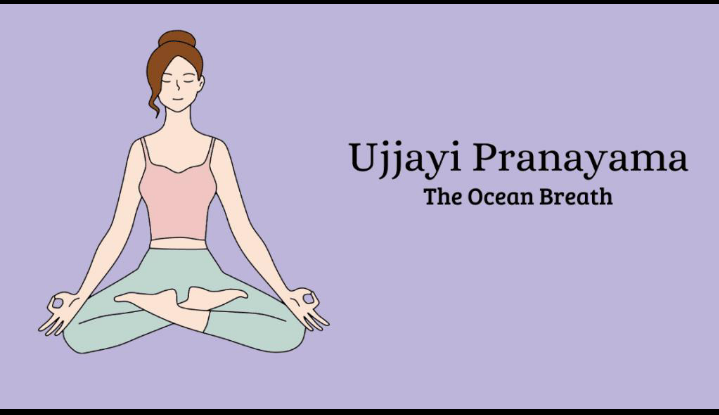
4. Ujjayi Pranayama
Ujjayi uses slow breathing with a gentle narrowing of the throat, creating a soft, audible breathing sound.
5. Bhastrika
A more vigorous breathing practice involving active inhalation and exhalation. It should be learned carefully, particularly by people with medical conditions.
6. Sheetali / Sheetkari
These are traditionally described as cooling breathing practices. They are generally practiced gently rather than forcefully.
7. Deep Diaphragmatic Breathing
Slow, comfortable breathing using the diaphragm can be a simple starting point for people new to breathwork. Deep-breathing exercises are among relaxation techniques that can help promote a relaxation response.
🌱 Potential Benefits of Pranayama
Regular, appropriate breathing practice may help:
- Promote relaxation and calmness
- Reduce perceived stress
- Improve awareness of breathing
- Support concentration and mindfulness
- Encourage healthier breathing habits
- Complement a general wellness routine
- Support sleep and emotional well-being as part of a broader healthy lifestyle
Research on yoga suggests benefits for stress management, sleep, mental/emotional well-being and general wellness, although the evidence varies depending on the particular technique and health condition.
Important: Pranayama should not be presented as a cure for diseases or as a replacement for prescribed medical treatment.
🕐 How to Practice Pranayama for Beginners
A simple routine can be:
- Sit comfortably with your spine reasonably upright.
- Relax your shoulders and facial muscles.
- Start with a few normal breaths.
- Practice slow, comfortable breathing for 5–10 minutes.
- Avoid forcing inhalation or exhalation.
- Stop if you experience dizziness, chest discomfort, unusual breathlessness or significant discomfort.
- Gradually increase practice time as you become comfortable.
For beginners, gentle breathing is preferable to forceful breathing or prolonged breath retention. NCCIH specifically advises beginners to avoid forceful breathing and to learn yoga practices appropriately.
⚠️ Precautions
Although yoga is generally considered safe when practiced appropriately, some practices may not be suitable for everyone. People who are pregnant, elderly, or have significant medical conditions should discuss appropriate modifications with their healthcare professional and a qualified instructor.
Extra caution is appropriate with vigorous pranayama or prolonged breath-holding, particularly in people with cardiovascular, respiratory or other significant health problems.
❓ Frequently Asked Questions
1. Is pranayama good for beginners?
Yes. Beginners can start with gentle breathing practices such as slow diaphragmatic breathing and simple alternate-nostril breathing.
2. How long should I practice pranayama?
Starting with 5–10 minutes daily is reasonable for many healthy beginners. Consistency is more important than long sessions.
3. What is the best time to practice pranayama?
Many people prefer morning or early evening. Choose a quiet time when you can practice comfortably without rushing.
4. Can pranayama reduce stress?
Slow breathing and relaxation techniques can promote a relaxation response, and research on yoga suggests benefits for stress management.
5. Can I practice pranayama after eating?
It is generally more comfortable to practice breathing exercises when you are not immediately after a heavy meal.
6. Should I hold my breath during pranayama?
Not necessarily. Beginners can practice without breath retention. Longer or structured breath-holding should be learned from an appropriately qualified instructor.
7. Can pranayama replace medicines?
No. Pranayama can be a complementary wellness practice but should not replace prescribed treatment or medical evaluation.
8. What should I do if I feel dizzy?
Stop the exercise, return to normal breathing and rest. If symptoms are persistent or severe, seek medical advice.
🌸 Conclusion
Pranayama is a simple yet powerful component of yoga that encourages awareness and conscious control of breathing. When practiced gently and regularly, it can become a useful part of a healthy lifestyle and relaxation routine. Start slowly, avoid forcing the breath, and choose techniques appropriate for your individual health and experience.
**“Breathe slowly, breathe consciously, and give your mind a moment to become still.”**