🌿 Basic Pranayama
Introduction
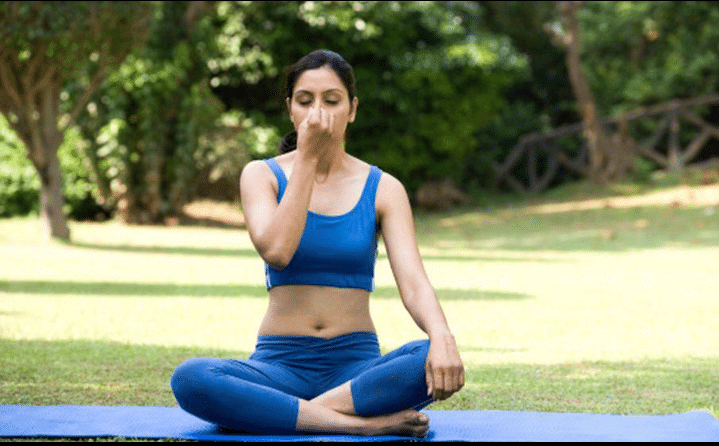
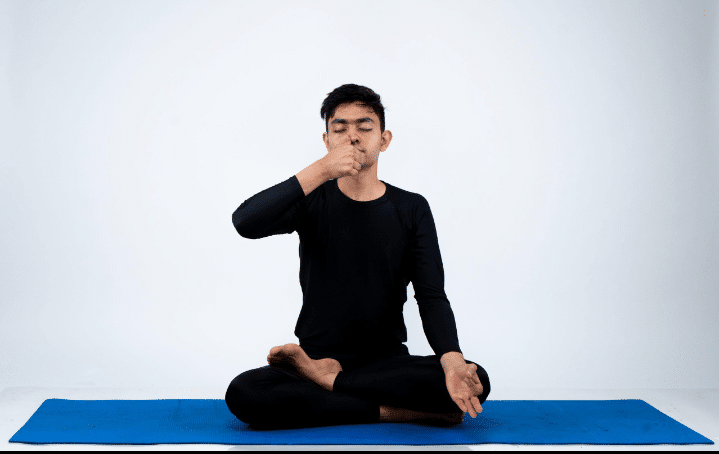
Pranayama is the yogic practice of consciously regulating the breath. The word is commonly understood in relation to prana (life energy) and ayama (regulation or expansion). In modern wellness practice, gentle breathing exercises are often used to encourage relaxation, improve breath awareness and support concentration.
You don’t need complicated techniques to begin. A few minutes of slow, comfortable breathing can be a simple addition to a morning yoga or meditation routine.
Basic Pranayama
🌬️ 1. Deep Diaphragmatic Breathing
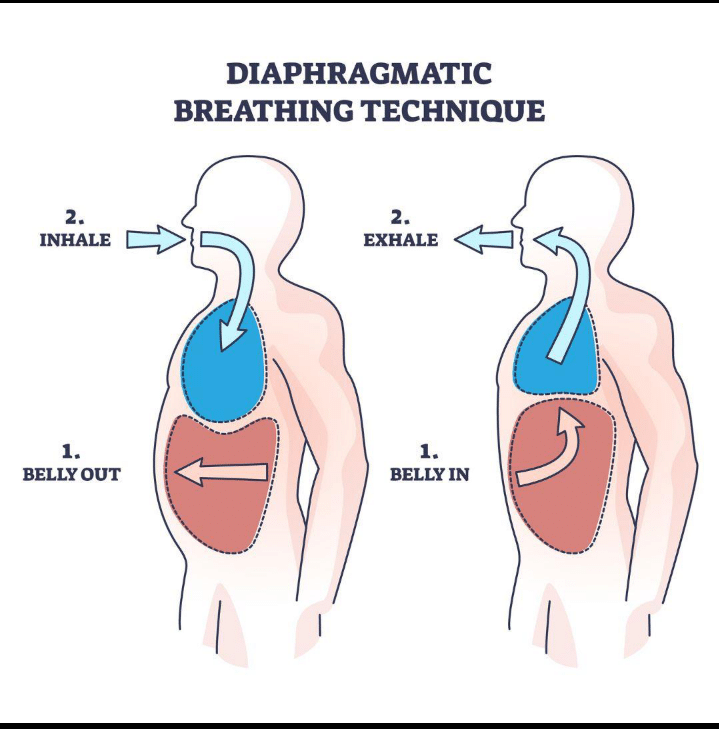
Also called belly breathing, this is one of the easiest techniques for beginners.
How to practice
- Sit comfortably or lie down.
- Place one hand on your chest and the other on your abdomen.
- Inhale slowly through your nose and allow your abdomen to gently rise.
- Exhale slowly and allow the abdomen to fall.
- Continue for 5–10 minutes, without forcing the breath.
Potential benefits
- Promotes relaxation
- Improves awareness of breathing
- May help reduce stress and tension
- Encourages slower, more controlled breathing
🧘 2. Anulom Vilom / Nadi Shodhana
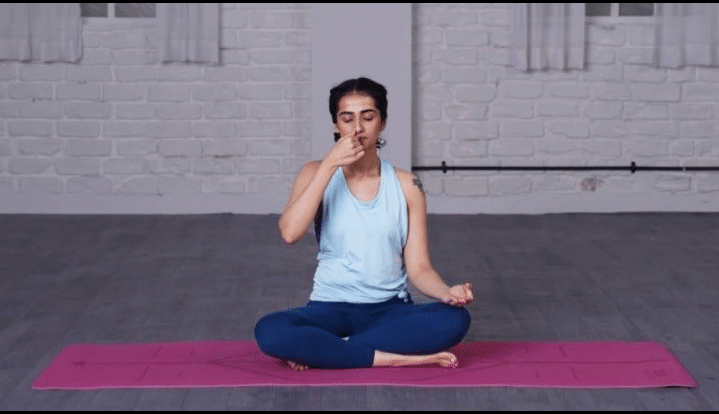
Alternate-nostril breathing is a traditional pranayama technique involving alternate breathing through the two nostrils. The Government of India’s Common Yoga Protocol recommends beginning with equal-duration inhalation and exhalation and practicing gently.
How to practice
- Sit comfortably with your back and head upright.
- Relax your shoulders and face.
- Close the right nostril with your thumb.
- Inhale slowly through the left nostril.
- Close the left nostril and exhale through the right nostril.
- Inhale through the right nostril.
- Close the right nostril and exhale through the left nostril.
- This completes one round.
- Beginners can start with about 5 rounds.
Keep the breathing slow, smooth and comfortable. Breath retention is not necessary for beginners.
Potential benefits
Regular gentle practice may support:
- Relaxation and stress management
- Concentration
- Breath control
- A sense of mental calm
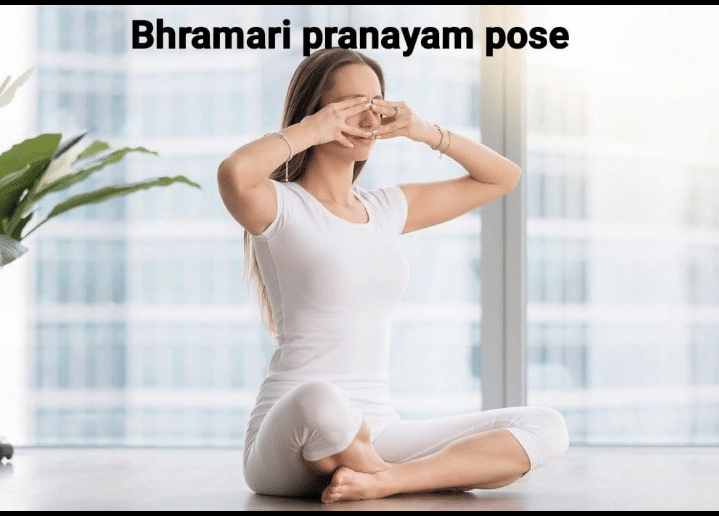
🐝 3. Bhramari Pranayama — Humming Bee Breath
Bhramari involves making a gentle humming sound during exhalation.
Basic method
- Sit comfortably with your eyes closed.
- Take a slow breath in through the nose.
- Exhale slowly while making a soft humming sound such as “mmm.”
- Feel the gentle vibration around the face and head.
- Repeat 5–10 times.
It can be incorporated into a relaxation or meditation routine. Bhramari is also included among the pranayama practices in India’s Common Yoga Protocol resources.
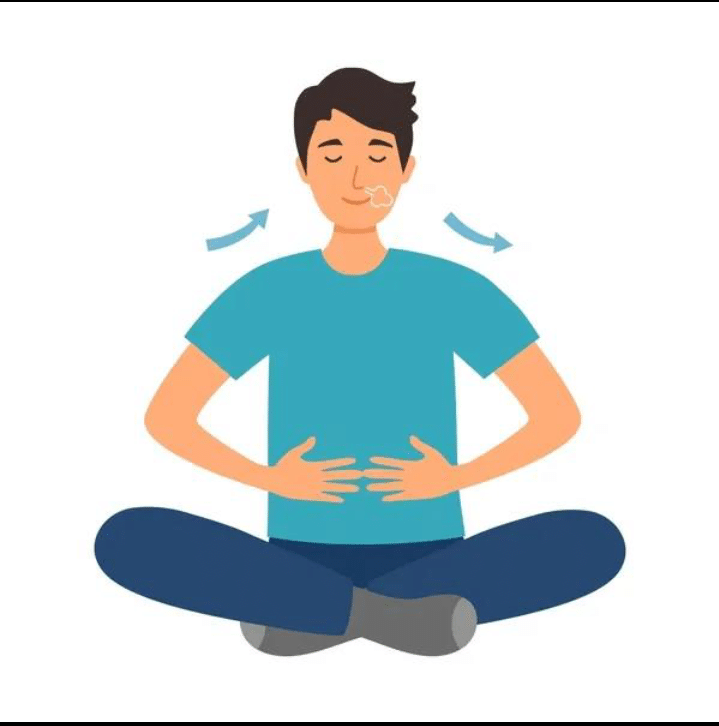
🌊 4. Dirgha Pranayama — Three-Part Breath
Dirgha, or three-part breathing, develops awareness of different areas involved in a full breath.
How to practice
- Inhale gently into the abdomen.
- Continue the inhalation into the ribs.
- Finally allow the upper chest to expand naturally.
- Exhale slowly, relaxing the upper chest, ribs and abdomen.
Do not try to force the lungs to their maximum capacity.
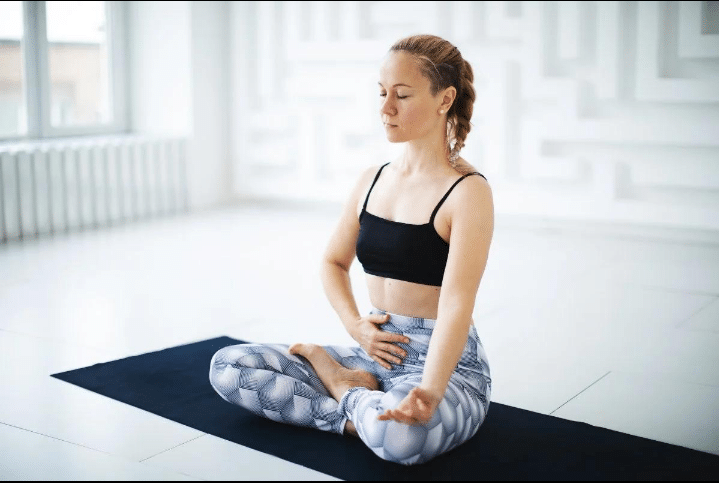
🌿 5. Sama Vritti — Equal Breathing
This is a simple technique in which inhalation and exhalation are kept approximately equal.
Beginner method
Inhale for 4 counts → Exhale for 4 counts
Continue for 3–5 minutes, provided it feels comfortable. The count can be shortened if necessary.
🕐 A Simple 10-Minute Beginner Routine
| Practice | Duration |
| Quiet natural breathing | 1 minute |
| Deep diaphragmatic breathing | 3 minutes |
| Anulom Vilom | 3 minutes |
| Bhramari | 2 minutes |
| Quiet sitting | 1 minute |
Total: 10 minutes
The aim is not to breathe as deeply or as long as possible, but to breathe comfortably, slowly and without strain.
⚠️ Important Precautions
Pranayama should not cause dizziness, chest discomfort, breathlessness or anxiety. If symptoms occur, stop and return to normal breathing. Beginners should particularly avoid forceful breathing and prolonged breath retention without appropriate instruction. NCCIH advises beginners to avoid forceful breathing and recommends qualified guidance when learning more advanced yoga practices.
People with significant heart or lung disease, uncontrolled blood pressure, pregnancy, or other medical conditions should discuss appropriate breathing practices with their healthcare professional before starting intensive pranayama.
❓ Frequently Asked Questions
1. What is the best pranayama for beginners?
Gentle diaphragmatic breathing, equal breathing and Anulom Vilom are reasonable starting points.
2. How long should I practice pranayama?
Start with 5–10 minutes daily. Consistency is generally more useful than doing a long session occasionally.
3. Can pranayama be done every day?
Yes, gentle breathing practices can generally be incorporated into a daily routine when performed comfortably.
4. What is the best time to practice?
Many people prefer morning, when the mind is relatively quiet. It can also be practiced at another convenient time.
5. Should pranayama be done on an empty stomach?
Gentle breathing practices are often more comfortable before a meal or after sufficient time has passed following a heavy meal.
6. Should beginners hold their breath?
Not necessarily. Beginners can practice without retention. The Government of India’s Common Yoga Protocol specifically describes equal inhalation and exhalation for beginners in Nadi Shodhana.
7. Can pranayama reduce stress?
Slow, controlled breathing may promote relaxation and help with stress management. Research on yoga and breathing practices suggests potential benefits for mental and physical well-being, although effects vary between individuals and techniques.
8. What should I do if I feel dizzy?
Stop the exercise, breathe normally and rest. Do not force yourself to continue.
🌸 Conclusion
Pranayama begins with something we already do every moment—breathing. By making the breath slower, smoother and more conscious, simple practices such as diaphragmatic breathing, Anulom Vilom, Bhramari and Sama Vritti can become valuable parts of a balanced yoga and relaxation routine.
Start with just 5–10 minutes a day, practise gently, and gradually develop your awareness of the breath. The goal is not to control the breath forcefully, but to develop a calm, steady and mindful relationship with it.
“Calm your breath, calm your mind, and create space for better well-being.” 🌿🧘♂️