Surya Bhedana Pranayama: The Right-Nostril Breathing Practice
Introduction
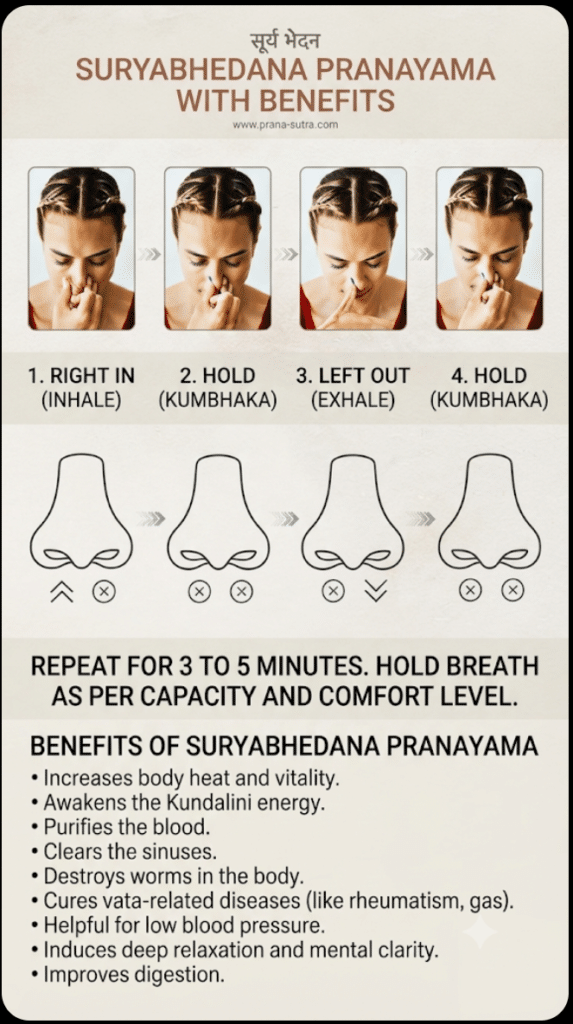
Surya Bhedana Pranayama, also called Right-Nostril Breathing, is a traditional yogic breathing practice in which breathing is performed primarily through the right nostril. In yogic tradition, the right nostril is associated with Pingala Nadi, often described as having an activating or warming quality.
The Ministry of AYUSH includes Surya Bhedhana Pranayama among established pranayama practices in its yoga protocols.
What Is Surya Bhedana Pranayama?
The Sanskrit word Surya means “sun,” while Bhedana can be understood as “piercing” or “activating.” The practice is traditionally associated with the solar, stimulating aspect of the breath.
A simple form involves:
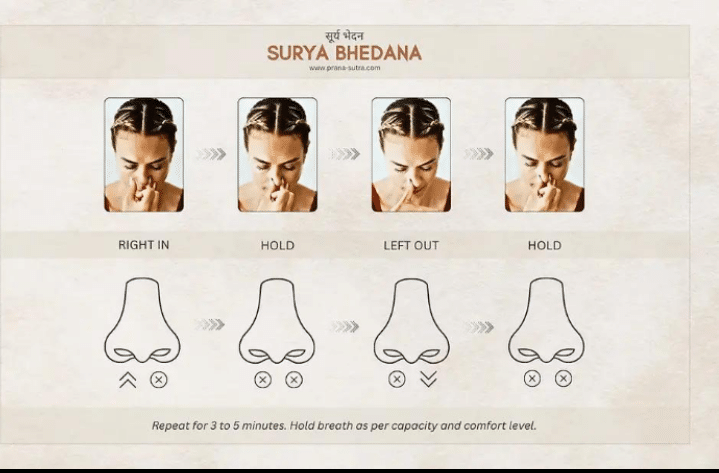
Inhale through the right nostril → exhale through the left nostril.
Some traditional approaches include breath retention (kumbhaka), but beginners should first learn the breathing pattern without prolonged breath-holding.
How to Practice Surya Bhedana Pranayama
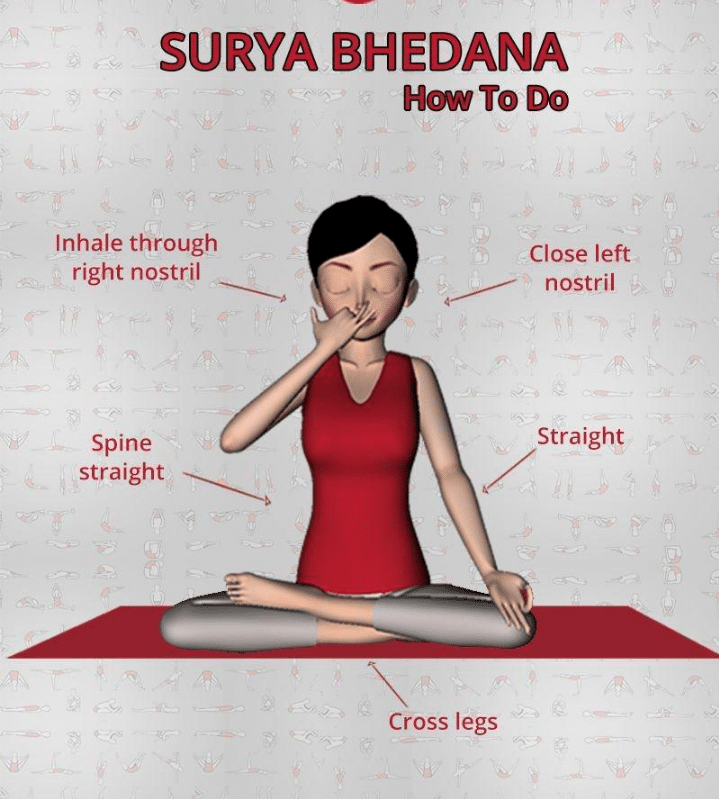
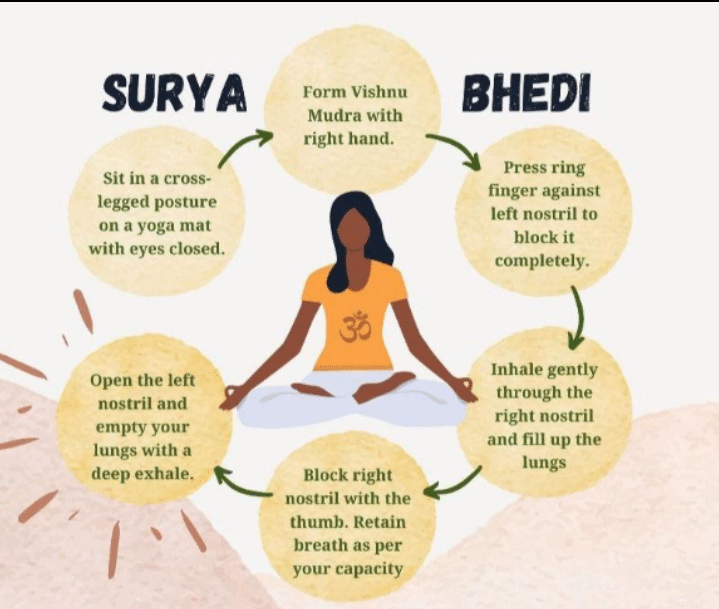
Step 1: Choose a comfortable posture
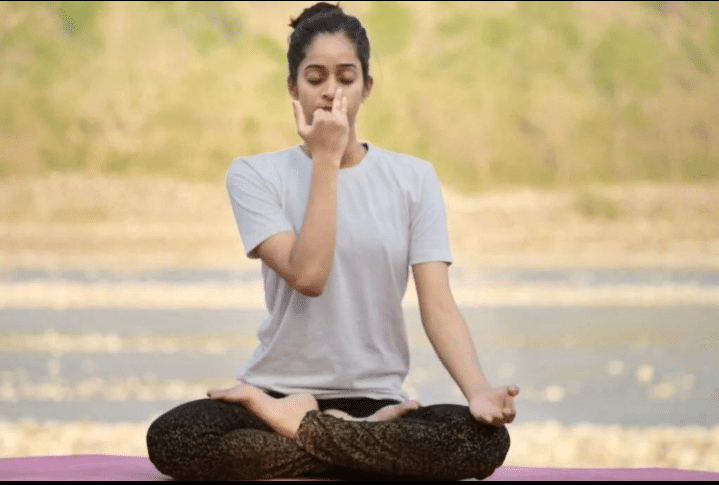
Sit comfortably in Sukhasana, Padmasana, Vajrasana, or on a chair with the spine comfortably upright.
Step 2: Relax
Close your eyes and take a few slow, natural breaths.
Step 3: Position the right hand
Use the right hand to control the nostrils. The thumb can be used to close the right nostril and the ring finger to close the left nostril.
Step 4: Inhale through the right nostril
Close the left nostril and slowly inhale through the right nostril.
Step 5: Exhale through the left nostril
Close the right nostril and gently exhale through the left nostril.
This completes one round.
Step 6: Repeat gently
Start with about 5 rounds and gradually increase only if the practice feels comfortable. An AYUSH yoga protocol has also included five rounds of Surya Bhedhana Pranayama.
Important: The breath should remain smooth, quiet and controlled. Do not force inhalation or exhalation.
Potential Benefits
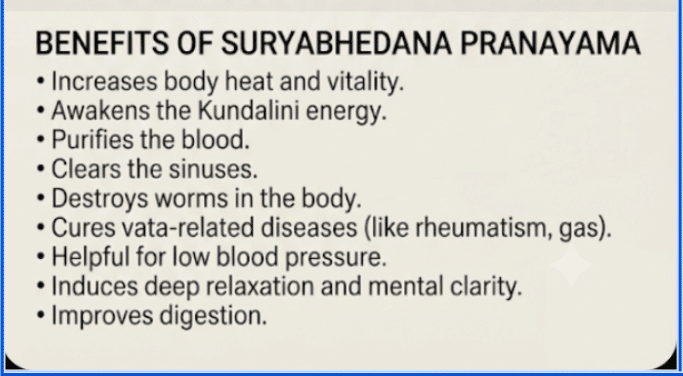
Surya Bhedana is traditionally regarded as an activating form of pranayama. AYUSH material describes right-nostril breathing as having a sympathetic-stimulating effect.
Regular, appropriate practice may help:
- Promote alertness and wakefulness
- Develop better awareness and control of breathing
- Support concentration during yoga or meditation
- Provide a gentle activating breathing practice
- Complement a broader yoga and relaxation routine
It is important not to regard Surya Bhedana as a substitute for medical treatment. Claims that it can cure diseases or produce dramatic therapeutic effects should not be made without appropriate clinical evidence.
When Is It Best Practiced?
For many people, a gentle practice can fit well into a morning yoga routine, when the goal is to feel awake and attentive.
Avoid practicing immediately after a heavy meal. Choose a quiet, well-ventilated place and practice without forcing the breath.
Surya Bhedana vs. Nadi Shodhana
| Feature | Surya Bhedana | Nadi Shodhana |
| Main breathing pattern | Right nostril in, left nostril out | Alternating nostrils |
| Traditional emphasis | Activating/warming | Balancing/calming |
| Beginner practice | Gentle, without retention | Usually gentle, without retention |
| Main focus | Right-nostril breathing | Alternate-nostril breathing |
Nadi Shodhana is specifically characterized by alternating breathing through the left and right nostrils.
Precautions
Surya Bhedana should be practiced cautiously, particularly when breath retention is involved.
People with cardiovascular conditions, uncontrolled high blood pressure, significant dizziness/vertigo, or other medical conditions should seek appropriate professional advice before undertaking stimulating pranayama or breath-holding practices.
Stop immediately if you experience:
- Dizziness
- Breathlessness
- Chest discomfort
- Headache
- Palpitations
- Unusual anxiety or discomfort
Pregnant individuals and people with significant medical conditions should obtain individualized guidance from an appropriately qualified healthcare professional or yoga therapist.
Never force the breath or hold it for a prolonged period simply to increase the intensity of the practice.
Common Mistakes to Avoid
- Breathing too forcefully
- Holding the breath for too long
- Raising the shoulders while inhaling
- Practicing immediately after a heavy meal
- Increasing the number of rounds too quickly
- Continuing despite dizziness or discomfort
- Treating pranayama as a replacement for necessary medical care
FAQ
1. What is Surya Bhedana Pranayama?
Surya Bhedana is a yogic breathing technique centered on breathing in through the right nostril and traditionally associated with an activating or warming effect.
2. How many rounds should a beginner do?
A beginner can start with approximately 5 gentle rounds, provided there is no discomfort. AYUSH yoga protocols have also used five rounds.
3. Should beginners hold their breath?
Generally, beginners should first learn the technique without prolonged breath retention. Kumbhaka should be learned progressively under appropriate guidance.
4. Can Surya Bhedana be practiced every day?
A gentle practice may be incorporated into a regular yoga routine if it is comfortable and appropriate for the individual.
5. Is Surya Bhedana the same as Nadi Shodhana?
No. Surya Bhedana emphasizes right-nostril breathing, whereas Nadi Shodhana alternates the nostrils.
6. Can it be practiced before meditation?
It may be incorporated into a yoga routine before meditation, particularly when a person prefers an activating breathing practice.
7. Can Surya Bhedana cure high blood pressure?
It should not be promoted as a treatment or cure for hypertension. People with high blood pressure should discuss breath practices—especially stimulating techniques or breath retention—with their healthcare professional.
8. What should I do if I feel dizzy?
Stop the practice, return to normal breathing and rest. If symptoms are significant, recurrent or accompanied by concerning symptoms, seek medical attention.
Conclusion
Surya Bhedana Pranayama is a simple traditional right-nostril breathing practice that can be incorporated into a mindful yoga routine. Its traditional association is with activation and warmth, while modern AYUSH resources describe right-nostril breathing as having a sympathetic-stimulating effect.
For beginners, the key is gentle, comfortable and controlled breathing rather than intensity. Start slowly, avoid unnecessary breath retention, respect individual health conditions, and learn advanced techniques from a qualified yoga professional.
Breathe gently, practice mindfully, and let consistency—not force—guide your yoga journey.
Medical note: This article is for general educational purposes and should not replace individualized medical advice, diagnosis or treatment.