Kapalbhati Pranayama
Introduction
Kapalbhati Pranayama is a traditional yogic breathing practice in which exhalation is active and forceful, driven mainly by contraction of the abdominal muscles, while inhalation happens naturally and passively. The word Kapalbhati comes from kapala (skull/forehead) and bhati (shining).

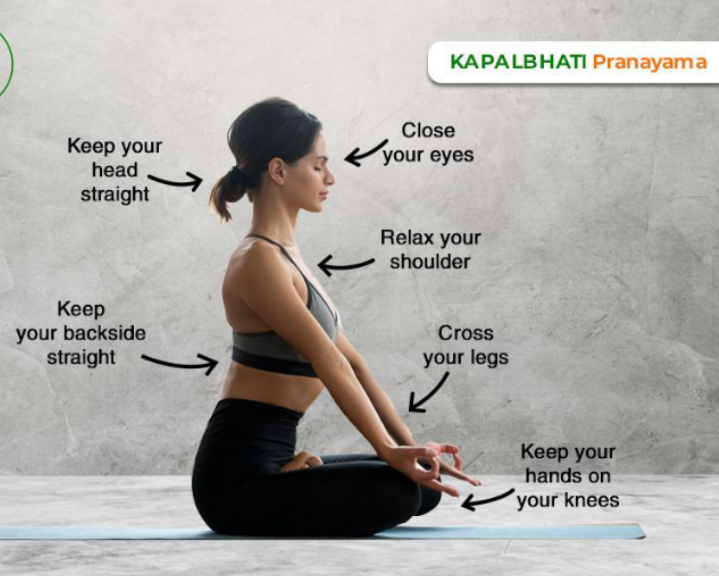
Suggested Image: A person sitting upright in a comfortable meditation posture, demonstrating Kapalbhati with abdominal contraction and outward breath arrows.
What Is Kapalbhati Pranayama?
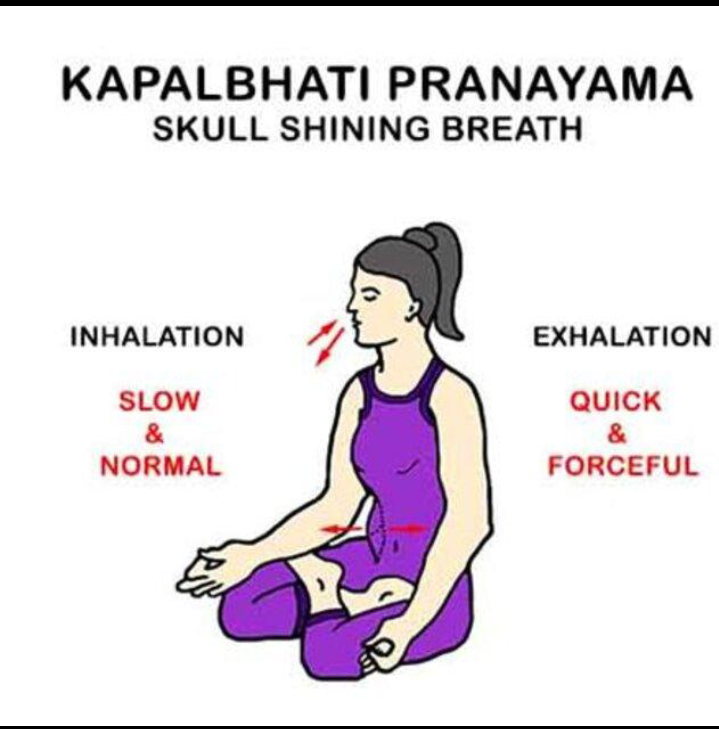
Kapalbhati is an energizing pranayama technique traditionally practiced as part of yoga. Unlike ordinary breathing, the main emphasis is on short, active exhalations produced by drawing the abdomen inward. When the abdominal muscles relax, inhalation occurs automatically.
It is sometimes called “Skull-Shining Breath.”
How to Practice Kapalbhati
1. Sit comfortably with your spine straight.
2. Relax your shoulders, face and abdominal muscles.
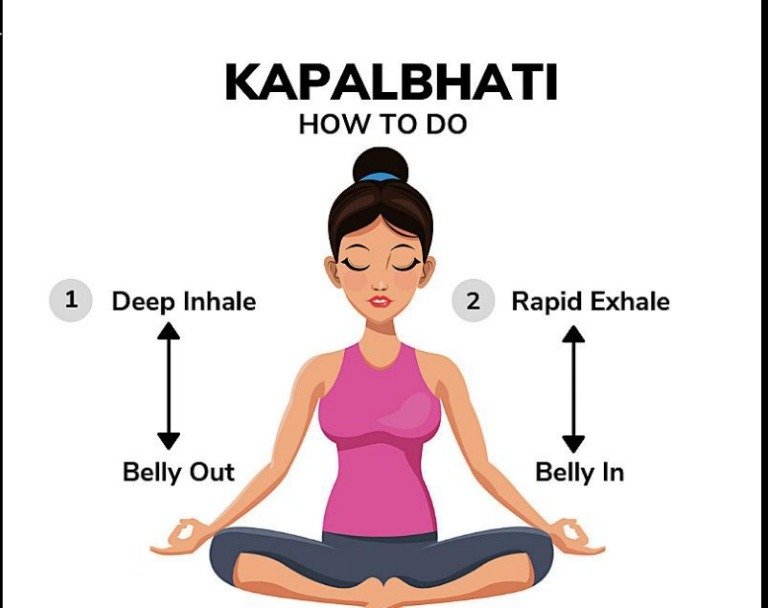
3. Take a comfortable breath in.
4. Exhale actively through both nostrils while gently pulling the abdomen inward.
5. Allow the abdomen to relax so that inhalation happens naturally.
6. Continue at a comfortable rhythm without straining.
7. Beginners can start with a small number of breaths and gradually increase with proper guidance. The Common Yoga Protocol suggests beginners may start with up to 3 rounds of 10 breaths, increasing gradually.
8. Rest and breathe normally between rounds.
Important: The movement should come primarily from the abdomen; avoid excessive movement of the chest and shoulders.
Potential Benefits of Kapalbhati

Regular, appropriate practice may:
Strengthen and tone the abdominal muscles.
Stimulate abdominal organs.
Support digestive function.
Promote a feeling of alertness and energy.
Help improve breath awareness.
Support relaxation and mental well-being after practice.
Improve circulation and contribute to overall physical fitness.
Kapalbhati should not be presented as a standalone treatment for obesity, diabetes, asthma, or other diseases. It is best considered a complementary yoga practice rather than a replacement for medical treatment.
Best Time to Practice
Kapalbhati is traditionally practiced on an empty stomach, often during a morning yoga session.
Avoid practicing immediately after a heavy meal.
Precautions and Contraindications
Kapalbhati involves vigorous abdominal contractions and should not be treated as a simple breathing exercise for everyone.
Avoid it or seek medical/yoga-professional guidance if you have:
Uncontrolled or significant high blood pressure
Heart or cardiovascular disease
Recent major or abdominal surgery
Hernia
Epilepsy
Significant vertigo or dizziness
Certain eye-pressure conditions such as glaucoma
Pregnancy or the early postpartum period
People with cardiovascular conditions should be particularly cautious because forceful pranayama can place additional stress on the cardiovascular and respiratory systems.
Stop immediately if you experience chest pain, severe dizziness, unusual breathlessness, faintness, or significant headache.
Frequently Asked Questions (FAQ)
1. Is Kapalbhati an inhalation or exhalation exercise?
The emphasis is on active, forceful exhalation. Inhalation should occur naturally when the abdominal muscles relax.
2. Can Kapalbhati reduce belly fat?
Kapalbhati can exercise the abdominal muscles, but it should not be considered a direct fat-burning treatment. Reduction of abdominal fat primarily requires an appropriate diet, regular physical activity and overall energy balance.
3. Can I practice Kapalbhati after eating?
It is generally recommended to practice it on an empty stomach, rather than immediately after eating.
4. How many breaths should a beginner do?
Start gently—around 10 breaths per round is a reasonable beginner starting point, with up to three rounds if comfortable. Increase gradually rather than forcing a high speed or count.
5. Can people with high BP practice Kapalbhati?
People with high blood pressure should not practice vigorous Kapalbhati without appropriate medical and qualified yoga guidance.
6. Is Kapalbhati the same as Bhastrika?
No. They are different pranayama techniques. In Kapalbhati, exhalation is emphasized as active while inhalation is passive. Bhastrika uses more active inhalation and exhalation.
7. What should I do if I feel dizzy?
Stop the practice, sit comfortably and return to normal breathing. Persistent or severe dizziness should be medically evaluated.
8. Can Kapalbhati replace medicines?
No. Yoga and pranayama can complement healthy lifestyle practices but should not replace prescribed medical treatment.
Conclusion
Kapalbhati Pranayama is a dynamic yogic breathing technique that emphasizes active abdominal contractions and forceful exhalation. When performed correctly and gradually, it can become a useful part of a yoga and wellness routine. However, proper technique, moderation and awareness of contraindications are essential.
For beginners and people with medical conditions, learning under the supervision of a qualified yoga instructor and consulting a healthcare professional when appropriate is advisable.
“Breathe with awareness, practice with patience, and let wellness become a daily habit.”