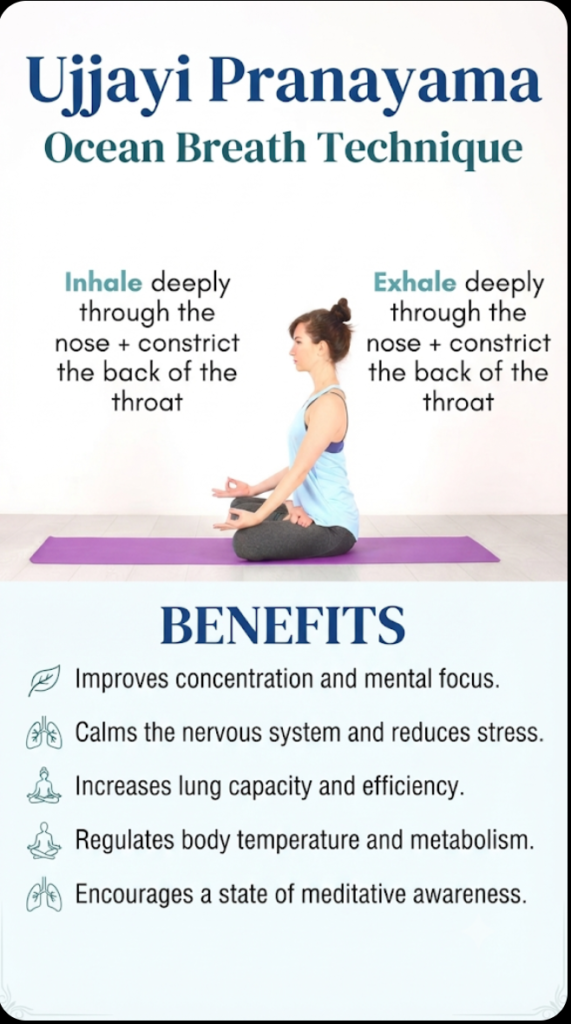
🌊 Ujjayi Pranayama: The Ocean Breath for Calmness & Focus
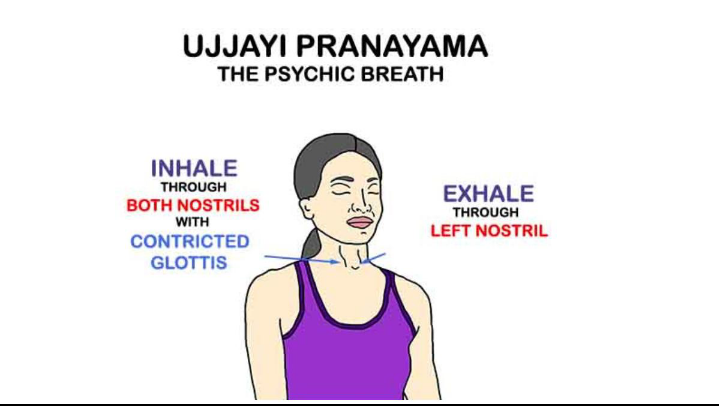
Introduction
Ujjayi Pranayama, also called “Victorious Breath” or “Ocean Breath,” is a traditional yogic breathing technique. It is characterized by slow, controlled breathing through the nose with a gentle narrowing of the throat, producing a soft sound similar to ocean waves.
The audible breath gives the practitioner something to focus on and can help make breathing more steady and mindful.
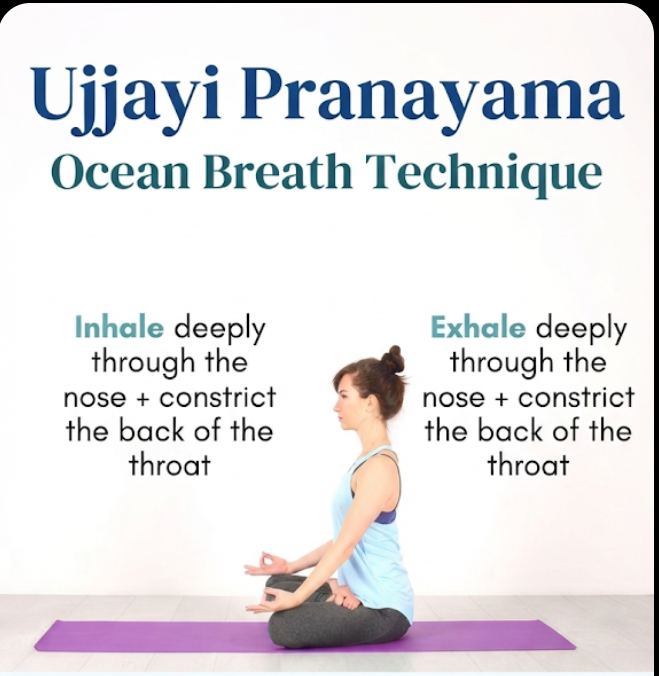
🧘 How to Practice Ujjayi Pranayama
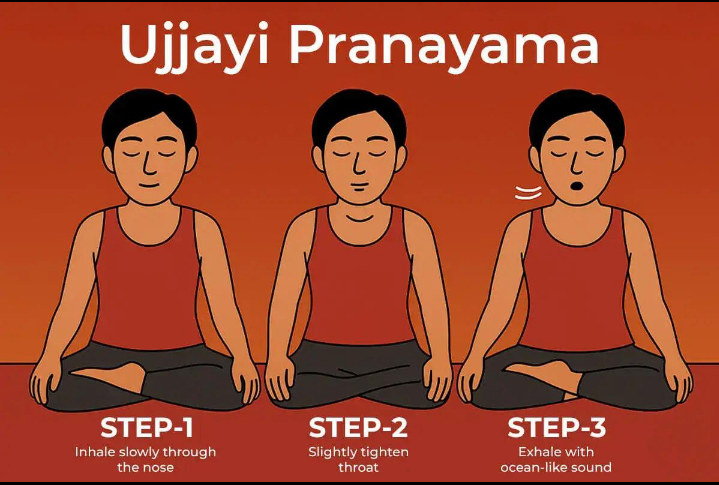
- Sit comfortably with your spine upright. You can sit cross-legged or in another comfortable meditation posture.
- Close your eyes and take a few normal breaths.
- Inhale slowly through your nose.
- Gently narrow the back of your throat, as if you were softly fogging a mirror with your breath.
- Keep the mouth closed and allow the breath to flow through the nose.
- Exhale slowly through the nose while maintaining the same gentle throat constriction.
- Listen to the soft ocean-like sound of the breath.
- Begin with 5–10 slow breaths and gradually increase the duration as you become comfortable.
The sound should be soft and soothing—not loud or forced.
🌿 What should Ujjayi breathing feel like?
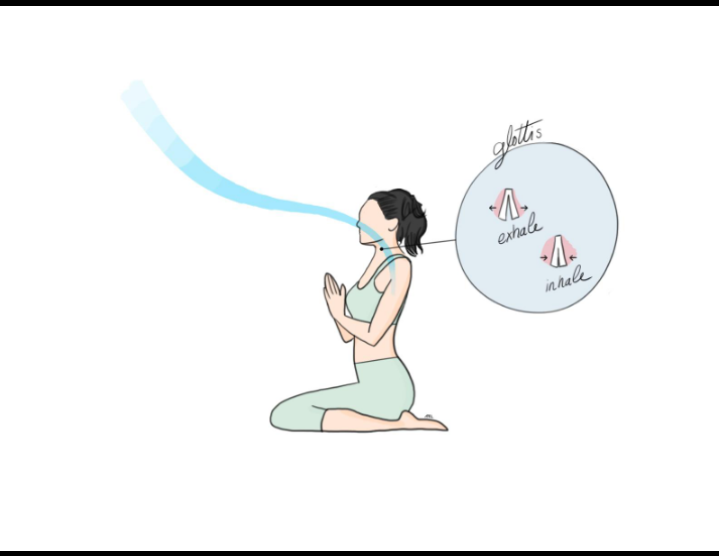
Your throat should feel gently narrowed, but not tight or painful. The breath should remain smooth, comfortable and controlled.
✨ Potential Benefits
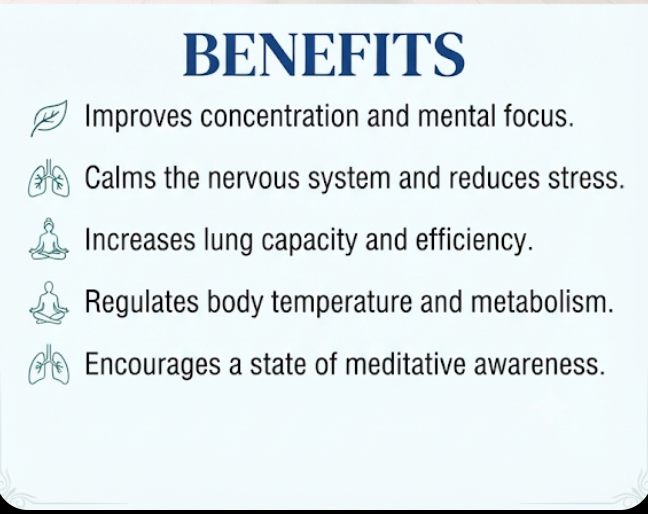
Regular, comfortable practice may help:
- Improve breath awareness and control
- Promote relaxation and calmness
- Improve concentration and mindfulness
- Help maintain a steady breathing rhythm during yoga
- Make it easier to notice when breathing becomes irregular or strained
- Support a more mindful connection between breath, body and mind
It is better to describe these as potential benefits rather than claiming Ujjayi can treat or cure a disease.
🕉️ Ujjayi Pranayama During Yoga
Ujjayi is commonly incorporated into yoga asana practice. Maintaining a smooth breath can help coordinate movement with breathing and keep attention anchored in the present moment.
However, if you become unable to maintain a comfortable, even breath during a challenging pose, slow down or rest rather than forcing the technique.
⚠️ Precautions
- Do not forcefully squeeze or tighten the throat.
- The sound should not be excessively loud.
- Never practice to the point of dizziness, breathlessness, chest discomfort or distress.
- If you feel light-headed or short of breath, return to normal breathing and stop the practice.
- People with significant respiratory or cardiovascular conditions should discuss breathwork with their healthcare professional before starting.
- Beginners should avoid combining Ujjayi with prolonged or forceful breath-holding without proper instruction.
❓ Frequently Asked Questions
1. What does Ujjayi Pranayama mean?
Ujjayi is commonly translated as “victorious” or “victory” breath. It is performed with gentle throat narrowing that creates a characteristic soft sound.
2. Why is it called Ocean Breath?
The soft sound created during Ujjayi resembles the rhythmic sound of ocean waves, hence the name “Ocean Breath.”
3. Should Ujjayi be loud?
No. The sound should generally be gentle and soothing. A very loud or forced breath usually indicates excessive effort.
4. Can beginners practice Ujjayi?
Yes. A gentle version can be introduced to beginners, preferably under the guidance of a qualified yoga teacher, especially when learning more advanced pranayama practices.
5. Should I breathe through my mouth?
For the usual Ujjayi technique, inhalation and exhalation are performed through the nose, with the mouth closed.
6. How long should I practice?
Beginners can start with 5–10 comfortable breaths. Gradually increase the duration rather than forcing longer sessions.
7. Can Ujjayi be practiced during meditation?
Yes. The gentle sound can provide an object of attention and help cultivate awareness of the breath.
8. Can I practice Ujjayi before sleep?
A gentle, slow practice may be relaxing for some people. Avoid forceful breathing or breath retention, particularly if it makes you feel stimulated or uncomfortable.
🌺 Conclusion
Ujjayi Pranayama is a simple yet powerful practice of mindful breathing. Its soft ocean-like sound encourages attention to the breath, while its slow and controlled rhythm can support relaxation and concentration. Start gently, keep the throat relaxed, and allow the breath to remain smooth and natural.
“When the breath becomes calm, the mind learns to become calm.” 🌿
This article is for educational purposes and does not replace individualized medical or yoga instruction.