Introduction
Bacterial eczema is a common skin condition where eczema becomes infected with bacteria, most commonly Staphylococcus aureus. Eczema weakens the skin barrier, allowing bacteria to enter through cracks, scratches, or inflamed areas. This infection can worsen symptoms, delay healing, and require specific medical treatment. Early recognition and proper care are essential to prevent complications.
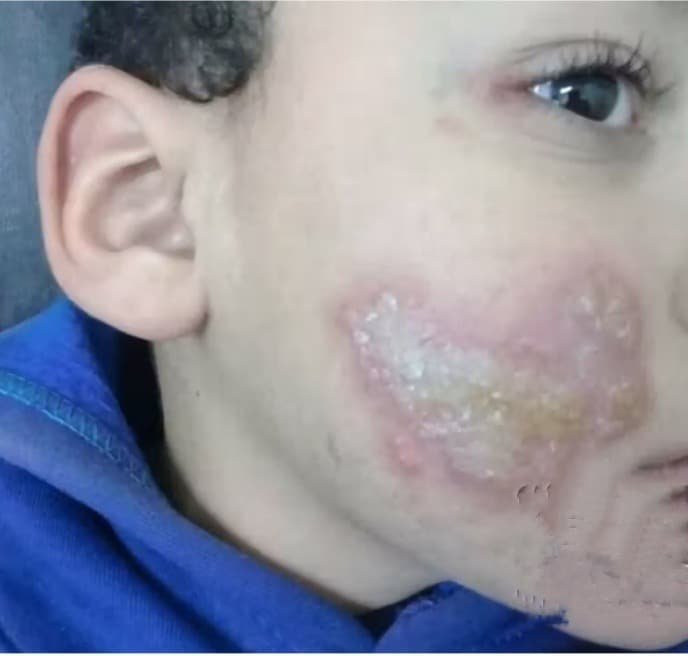
BACTERIAL ECZEMA
What Is Bacterial Eczema?
Bacterial eczema, also called infected eczema, occurs when bacteria invade eczema-affected skin. It can develop in any type of eczema, including atopic eczema, contact dermatitis, or nummular eczema. The infection increases inflammation and makes the condition more painful and difficult to control.
Causes of Bacterial Eczema
Common causes include:
- Persistent scratching of itchy eczema lesions
- Broken or cracked skin barrier
- Poor skin hygiene
- Excessive moisture and sweating
- Weakened immune system
- Delayed or improper eczema treatment
Symptoms of Bacterial Eczema
Signs of bacterial infection in eczema include:
- Increased redness and swelling
- Oozing or pus-filled lesions
- Yellow or honey-colored crusts
- Pain or tenderness
- Warmth around affected skin
- Fever in severe cases
- Sudden worsening of existing eczema
Diagnosis
Diagnosis is usually clinical and based on skin appearance. In recurrent or severe cases, a skin swab may be taken to identify the bacteria and guide antibiotic therapy.
Treatment of Bacterial Eczema
Treatment focuses on controlling infection and managing eczema:
1. Antibiotics
- Topical antibiotics for mild infection
- Oral antibiotics for widespread or severe infection
2. Anti-inflammatory Therapy
- Topical corticosteroids to reduce inflammation (used carefully under medical supervision)
3. Skin Care Measures
- Gentle cleansing with mild, fragrance-free cleansers
- Regular use of emollients to restore the skin barrier
- Avoid scratching and keep nails short
4. Antiseptic Measures
- Antiseptic creams or diluted antiseptic baths may be recommended in recurrent cases
Complications
If left untreated, bacterial eczema may lead to:
- Recurrent skin infections
- Scarring
- Worsening of chronic eczema
- Rarely, systemic infection
Prevention Tips
- Maintain regular moisturizing routine
- Treat eczema flares early
- Avoid known triggers
- Keep skin clean and dry
- Avoid sharing towels or personal items
- Follow prescribed treatment consistently
Frequently Asked Questions (FAQ)
Q1. Is bacterial eczema contagious?
No, eczema itself is not contagious. However, the bacteria on infected skin can spread through direct contact if hygiene is poor.
Q2. How can I differentiate normal eczema from bacterial eczema?
Bacterial eczema shows signs of infection such as pus, yellow crusts, increased pain, and sudden worsening of symptoms.
Q3. Can bacterial eczema heal without antibiotics?
Mild cases may improve with good skin care, but most bacterial infections require antibiotics for complete recovery.
Q4. Is bacterial eczema common in children?
Yes, especially in children with atopic dermatitis due to frequent scratching and delicate skin.
Q5. Can bacterial eczema recur?
Yes, recurrence is common if eczema is not well controlled or preventive measures are not followed.
Conclusion
Bacterial eczema is a treatable but potentially serious complication of eczema. Early diagnosis, appropriate antibiotics, and proper eczema management are key to recovery. Maintaining good skin hygiene, avoiding scratching, and following medical advice can significantly reduce the risk of infection and recurrence. If eczema suddenly worsens or shows signs of infection, prompt medical attention is essential for healthy skin and long-term control.