Introduction
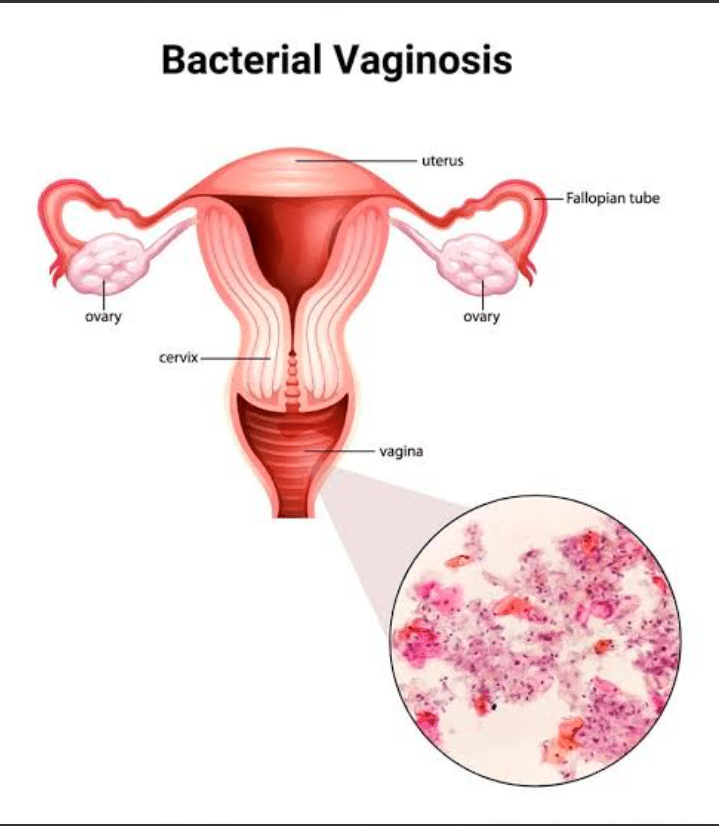
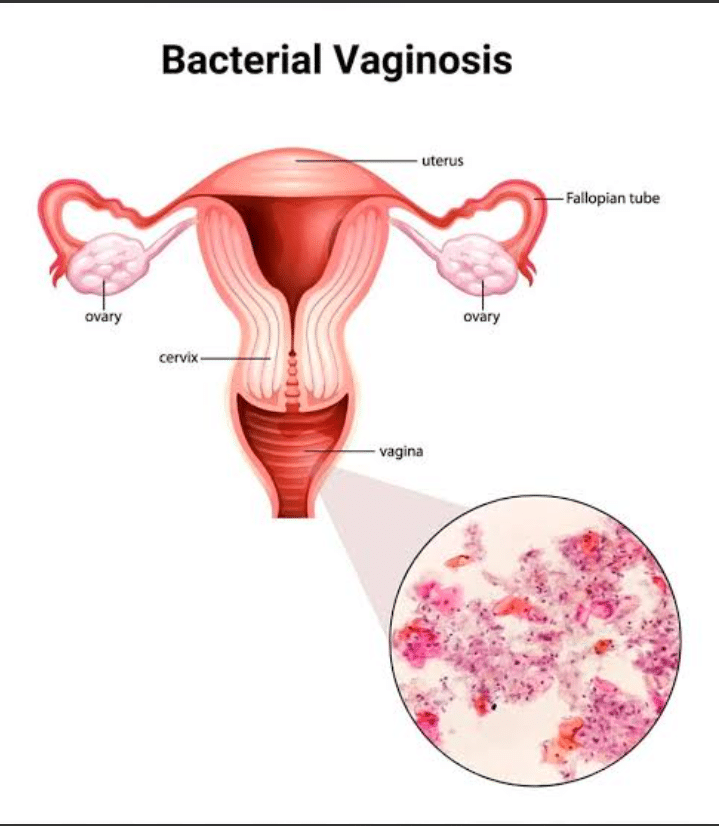
Bacterial Vaginosis (BV) is a common vaginal infection caused by an imbalance of the normal bacteria present in the vagina. Normally, good bacteria (Lactobacilli) help maintain a healthy vaginal environment. When harmful bacteria overgrow, BV develops. It is most common in women of reproductive age and is not strictly a sexually transmitted disease, though sexual activity can increase the risk.
Causes of Bacterial Vaginosis
- Imbalance of normal vaginal bacteria
- Multiple or new sexual partners
- Douching or using vaginal washes
- Use of scented soaps or sprays
- Smoking
- Lack of protective Lactobacilli
Signs and Symptoms
Some women may have no symptoms, while others may experience:
- Thin, greyish-white vaginal discharge
- Strong fishy odor, especially after intercourse
- Mild itching or irritation
- Burning sensation during urination
⚠️ BV usually does not cause severe pain or redness.
Diagnosis
BV is diagnosed by:
- Vaginal examination
- pH testing (vaginal pH > 4.5)
- Microscopic examination of discharge
- Clinical criteria (Amsel’s criteria)
Treatment
BV is easily treatable with prescribed medicines:
- Antibiotics (oral or vaginal gel/cream)
- Probiotics may help restore healthy bacteria
- Complete the full course even if symptoms improve
❗ Self-medication should be avoided.
Complications if Untreated
- Increased risk of sexually transmitted infections
- Pelvic inflammatory disease (PID)
- Pregnancy complications (preterm birth, low birth weight)
- Recurrence of infection
Frequently Asked Questions (FAQ)
1. Is Bacterial Vaginosis an STD?
No. BV is not classified as a sexually transmitted disease, but sexual activity can trigger bacterial imbalance.
2. Can BV occur without sexual activity?
Yes. BV can occur in women who are not sexually active.
3. Is BV dangerous during pregnancy?
If untreated, BV may increase the risk of preterm labor and low birth weight, so treatment is important.
4. Can BV go away on its own?
Sometimes mild cases may resolve, but medical treatment is recommended to prevent complications.
5. Can BV come back after treatment?
Yes. BV has a high recurrence rate, especially if preventive measures are not followed.
6. Should my partner be treated?
Male partners usually do not need treatment, but female partners may need evaluation.
7. How can BV be prevented?
- Avoid douching
- Use mild, unscented soaps
- Practice safe sex
- Maintain good intimate hygiene
- Avoid unnecessary vaginal products
Conclusion
Bacterial Vaginosis is a common and treatable condition caused by an imbalance of vaginal bacteria. Early diagnosis and proper treatment help prevent complications and recurrence. Maintaining good intimate hygiene and avoiding harmful practices like douching can significantly reduce the risk. If you notice unusual discharge or odor, consult a healthcare professional promptly for proper care.