Fungal infections are becoming increasingly common, especially in humid climates like India. While most superficial fungal infections can be diagnosed clinically or with simple tests like KOH mount or Wood’s lamp, some cases require a more definitive method.
This is where Fungal Culture plays a crucial role.
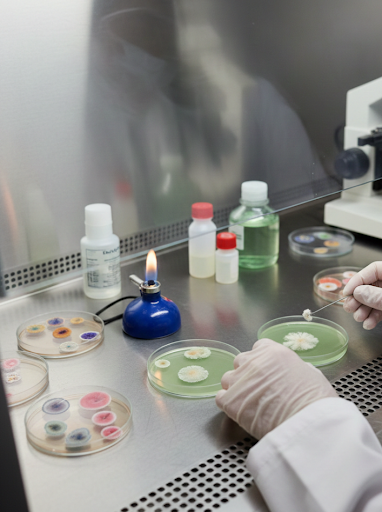
FUNGAL CULTURE PROCESS
🔍 What is a Fungal Culture?
A fungal culture is a laboratory test in which a sample from the infected area is placed on a special growth medium to allow fungi to grow.
This helps identify the exact species of fungus, including dermatophytes, yeasts, and molds.
It is the gold standard test for diagnosing fungal infections.
🩺 Why is Fungal Culture Done?
Doctors advise fungal culture in situations like:
1. Recurrent or chronic fungal infections
– Especially tinea corporis, tinea cruris, onychomycosis.
2. When KOH test is negative but suspicion is high
3. To identify the exact fungus species
– Trichophyton rubrum, T. mentagrophytes, Candida, Aspergillus, etc.
4. Before starting long-term antifungals
– To avoid resistance or wrong medication.
5. Suspected deep fungal infections
– Systemic candidiasis, aspergillosis, etc.