Fungal infections are becoming increasingly common, especially in humid climates like India. While most superficial fungal infections can be diagnosed clinically or with simple tests like KOH mount or Wood’s lamp, some cases require a more definitive method.
This is where Fungal Culture plays a crucial role.
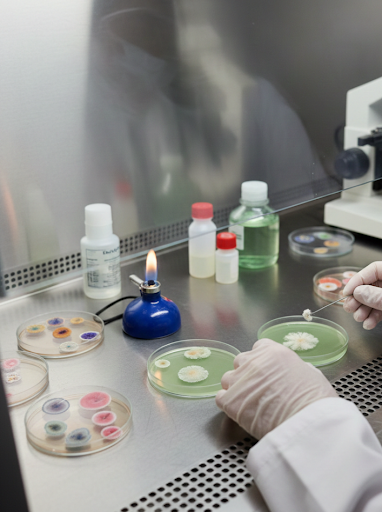
🔍 What is a Fungal Culture?
A fungal culture is a laboratory test in which a sample from the infected area is placed on a special growth medium to allow fungi to grow.
This helps identify the exact species of fungus, including dermatophytes, yeasts, and molds.
It is the gold standard test for diagnosing fungal infections.
🩺 Why is Fungal Culture Done?
Doctors advise fungal culture in situations like:
1. Recurrent or chronic fungal infections
– Especially tinea corporis, tinea cruris, onychomycosis.
2. When KOH test is negative but suspicion is high
3. To identify the exact fungus species
– Trichophyton rubrum, T. mentagrophytes, Candida, Aspergillus, etc.
4. Before starting long-term antifungals
– To avoid resistance or wrong medication.
5. Suspected deep fungal infections
– Systemic candidiasis, aspergillosis, etc.
🧪 How is the Test Performed?
The procedure depends on the location of infection.
📍 Sample collection sites:
- Skin – scrapings from active margins
- Nails – nail clippings or debris
- Hair – plucked hairs
- Mouth/Vagina – swabs
- Blood/CSF/Urine/Sputum – for systemic infections
🔬 Procedure:
- The sample is collected with sterile instruments.
- It is placed on special media like Sabouraud Dextrose Agar (SDA).
- The culture is incubated at controlled temperatures.
- Fungi take 3–4 days to several weeks to grow depending on type.
- A microbiologist identifies colonies by:
- Color
- Texture
- Microscopic morphology
- Biochemical tests
⏳ How Long Does a Fungal Culture Take?
| Type of fungus | Time to grow |
| Candida | 24–48 hours |
| Dermatophytes (tinea) | 7–14 days |
| Molds (aspergillus) | 3–7 days |
| Deep fungi | 2–4 weeks |
🧾 Interpretation of Results
✔️ Positive Result
- Confirms fungal infection
- Identifies species
- Helps choose correct antifungal (e.g., terbinafine vs itraconazole sensitivity)
❌ Negative Result
- No fungi grown
- May happen if:
- Sample was old
- Patient used antifungal creams/tablets
- Inadequate sample collected
💊 Treatment Based on Fungal Culture
Once the fungus is identified, targeted treatment is given:
Dermatophytes
- Terbinafine, Itraconazole
Candida
- Fluconazole, Itraconazole
Molds / Deep fungi
- Voriconazole, Amphotericin B
Your doctor decides based on clinical condition and culture report.
⚠️ Advantages of Fungal Culture
- Highly accurate
- Detects exact species
- Helps in drug resistance cases
- Useful in severe or long-standing infections
❗ Limitations
- Slow – may take weeks
- Requires proper sample collection
- Not always positive even in true infection
- Prior antifungal use can affect results
🧼 How to Prepare for the Test?
To increase culture accuracy:
- Stop topical antifungal creams for 3–5 days
- Avoid antifungal tablets for 7–10 days
- Clean the area only with plain water
- Do not apply powder, oils, lotion
🧠 FAQ Section
1. Is fungal culture painful?
No. Only gentle scraping or swab collection.
2. Can the test tell which medicine will work best?
Yes. Culture identifies species, helping choose the correct antifungal.
3. Why does it take so long?
Fungi grow slowly compared to bacteria.
4. Is culture needed for ringworm?
Only in recurrent, chronic, or resistant cases.
5. Can fungal culture detect nail fungus?
Yes, it is the most reliable test for onychomycosis.
📌 Conclusion
Fungal culture is an essential test for diagnosing persistent or difficult fungal infections.
Although it takes time, it offers high accuracy, species identification, and guides proper antifungal treatment, preventing treatment failure and recurrence.