
What is HIV?
HIV (Human Immunodeficiency Virus) is a virus that attacks the body’s immune system, specifically CD4 (T) cells, which help fight infections. If untreated, HIV can weaken immunity and progress to AIDS (Acquired Immunodeficiency Syndrome).
With early diagnosis and proper treatment, people living with HIV can live long, healthy, and productive lives.
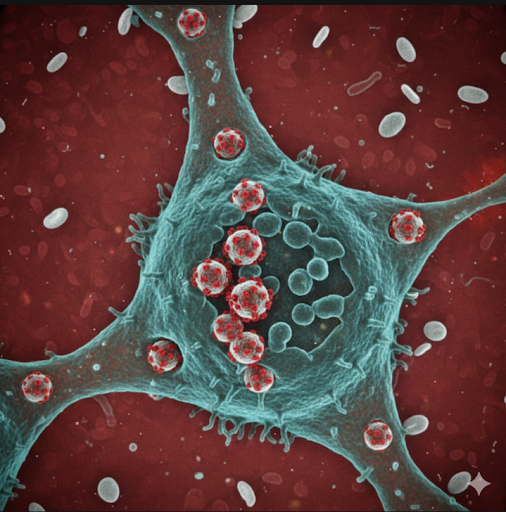
HIV UNDER MICROSCOPE
How Does HIV Spread?
HIV is transmitted through contact with certain body fluids from an infected person:
- Unprotected sexual contact (vaginal, anal)
- Transfusion of infected blood or blood products
- Sharing contaminated needles or syringes
- From mother to child during pregnancy, delivery, or breastfeeding
- Occupational exposure (needle-stick injury)
❌ NOTE :-
HIV does NOT spread through casual contact like hugging, shaking hands, sharing food, mosquito bites, or using common toilets.
Symptoms of HIV
Early (Acute HIV Infection)
- Fever
- Sore throat
- Rash
- Fatigue
- Swollen lymph nodes
- Body aches
Chronic Stage
- Often no symptoms for years
- Gradual weakening of immunity
Advanced Stage (AIDS)
- Severe weight loss
- Chronic diarrhea
- Recurrent infections
- Tuberculosis
- Oral or genital ulcers
- Skin infections
Diagnosis of HIV
HIV is diagnosed through blood tests:
- HIV antibody test
- HIV antigen/antibody (4th generation) test
- HIV PCR (viral load) – for early detection and monitoring
- CD4 count – to assess immune status
NOTE :-
Early testing saves lives.
Treatment of HIV
HIV is treated with Antiretroviral Therapy (ART):
- Controls viral replication
- Restores immunity
- Prevents progression to AIDS
- Reduces transmission risk
📌 NOTE :-
ART is lifelong, but simple once-daily tablets are now available.
Prevention of HIV
- Safe sex (use condoms)
- Regular HIV testing
- Avoid sharing needles
- Screened blood transfusion
- PrEP (Pre-Exposure Prophylaxis) for high-risk individuals
- PEP (Post-Exposure Prophylaxis) after accidental exposure
Living with HIV
With proper treatment:
- Life expectancy is near normal
- People can marry, work, and have children
- HIV-positive mothers can give birth to HIV-negative babies
- Undetectable = Untransmittable (U=U)
Frequently Asked Questions (FAQ)
Q1. Is HIV curable?
❌ No permanent cure yet, but ART can control HIV effectively for life.
Q2. What is the difference between HIV and AIDS?
- HIV is the virus
- AIDS is the advanced stage of HIV with severe immune damage
Q3. Can a person with HIV look healthy?
✅ Yes. Many people with HIV look and feel completely normal for years.
Q4. Can HIV be transmitted by kissing or hugging?
❌ No. HIV does not spread through casual contact.
Q5. How often should an HIV-positive person take medicines?
Usually once daily, as advised by a doctor.
Q6. Can HIV be transmitted if viral load is undetectable?
✅ No. Undetectable viral load means untransmittable (U=U).
Q7. Is HIV testing confidential?
✅ Yes. HIV testing is completely confidential.
Q8. Can HIV-positive people have children?
✅ Yes. With proper treatment, the baby can be HIV-negative.
Q9. Who should get tested for HIV?
- Sexually active individuals
- Pregnant women
- People with multiple partners
- History of STD
- Blood exposure or needle injury
Q10. Is HIV a death sentence?
❌ No. With early treatment, HIV is a manageable chronic condition.
Conclusion
HIV is a serious but preventable and treatable condition. Awareness, early testing, and proper treatment can control the disease and prevent transmission. Removing stigma and spreading correct information is essential for public health.
📌 NOTE :-
If you are at risk or have symptoms, consult a healthcare provider and get tested early.




Right information for human being