⭐INTRODUCTION
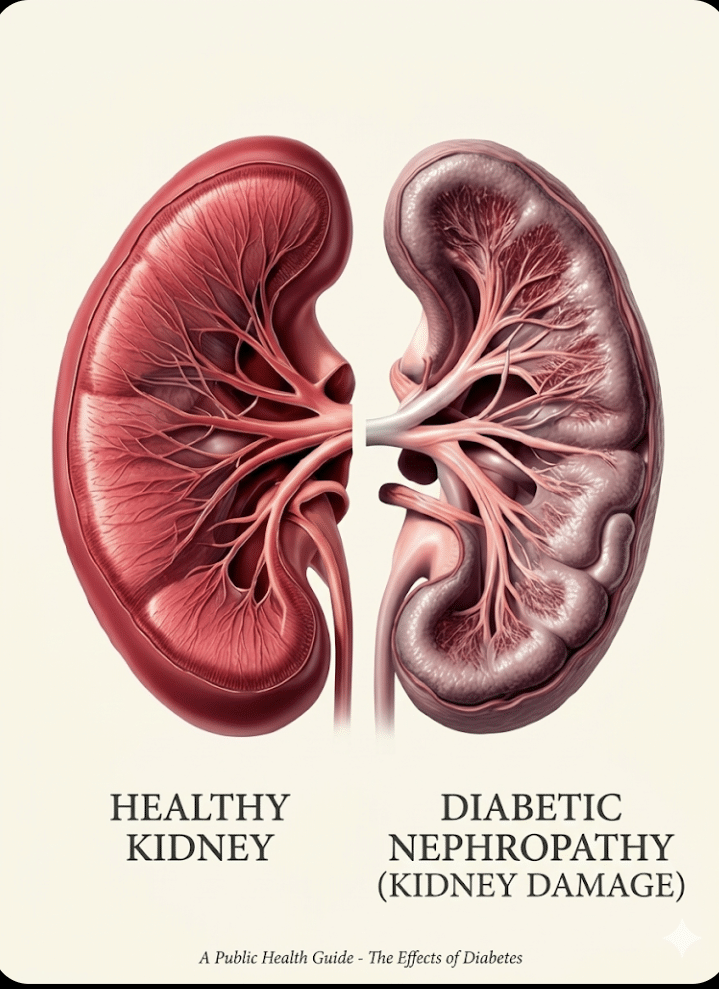
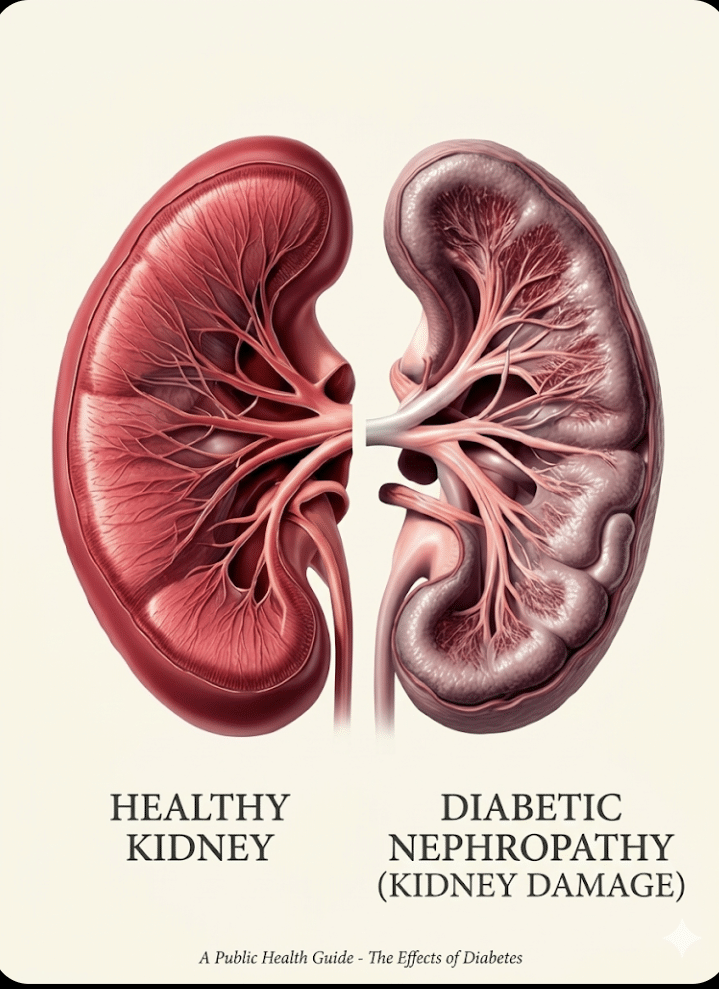
Kidney failure, also known as or renal failure, is a serious medical condition in which the kidneys lose their ability to filter waste products and excess fluids from the blood. Healthy kidneys play a vital role in maintaining the body’s balance of electrolytes, blood pressure, and red blood cell production. When the kidneys stop working properly, harmful toxins accumulate in the body, which can lead to life-threatening complications.
KIDNEY FAILURE
⭐What is Kidney Failure?
Kidney failure occurs when the kidneys can no longer perform their normal functions effectively. It may develop suddenly (acute) or gradually over time (chronic). Long-term kidney damage is commonly referred to as . If untreated, kidney failure can require medical treatments such as dialysis or kidney transplantation.
👍Common Causes of Kidney Failure
Several conditions can damage the kidneys and lead to kidney failure, including:
- – High blood sugar damages kidney blood vessels.
- (high blood pressure) – Puts pressure on kidney tissues.
- Severe infections affecting the kidneys.
- Kidney stones blocking urine flow.
- Long-term use of certain medicines or toxins.
- Autoimmune diseases such as .
⭐Symptoms of Kidney Failure
Symptoms may appear slowly and become severe over time. Common signs include:
- Swelling in legs, ankles, or feet
- Fatigue and weakness
- Decreased urine output
- Nausea and vomiting
- Shortness of breath
- Difficulty concentrating
- Loss of appetite
⭐Diagnosis
Doctors diagnose kidney failure using several tests such as blood tests, urine analysis, imaging studies, and kidney function tests. Early detection helps prevent further kidney damage.
Treatment Options
Treatment depends on the cause and severity of kidney failure. Common treatments include:
- Medicines to control blood pressure and diabetes
- Dietary changes and fluid control
- Dialysis to remove waste from the blood
- Kidney transplant in severe cases
⭐Prevention Tips
You can reduce the risk of kidney failure by following healthy habits:
- Maintain healthy blood sugar and blood pressure levels
- Drink enough water
- Avoid excessive use of painkillers
- Follow a balanced diet
- Exercise regularly
- Get regular medical checkups
🌹Frequently Asked Questions (FAQs)
1. What is the main cause of kidney failure?
The most common causes are diabetes and high blood pressure, which gradually damage the kidneys.
2. Can kidney failure be cured?
Early stages can sometimes be managed or slowed. Advanced kidney failure may require dialysis or a kidney transplant.
3. What foods should be avoided in kidney failure?
Foods high in salt, potassium, and phosphorus such as processed foods, salty snacks, and soft drinks should be limited.
4. Is kidney failure life-threatening?
Yes. If untreated, it can become life-threatening because waste products build up in the body.
5. How can I keep my kidneys healthy?
Maintain a healthy lifestyle, control diabetes and blood pressure, drink enough water, and avoid unnecessary medicines.
🌺Conclusion
Kidney failure is a serious health condition that affects the body’s ability to remove waste and maintain balance. Early detection, proper treatment, and healthy lifestyle choices play a key role in protecting kidney health. By managing risk factors such as diabetes and high blood pressure and adopting preventive habits, people can reduce the chances of developing kidney failure and maintain a healthier life.