
INTRODUCTION
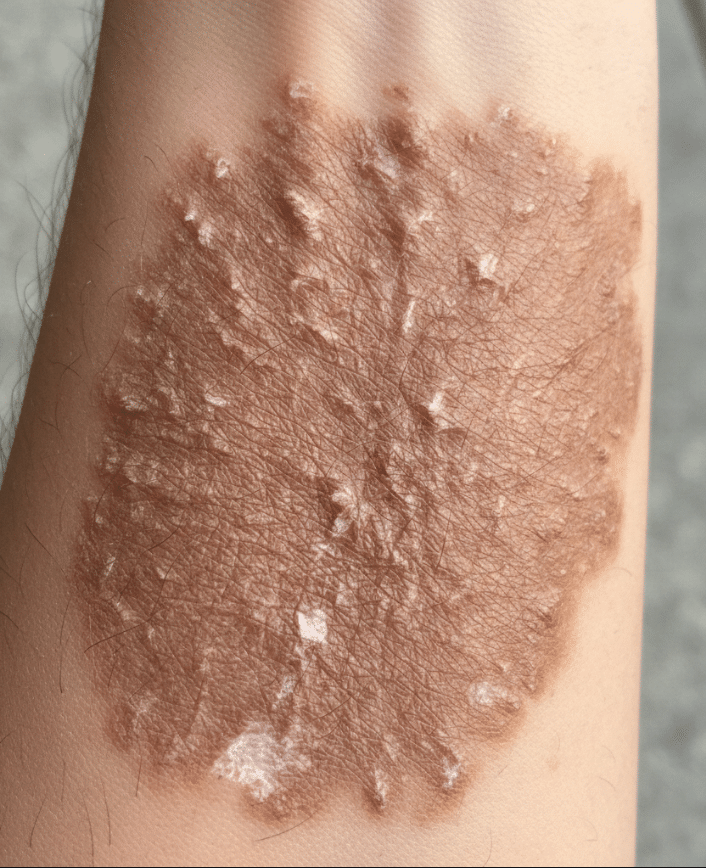
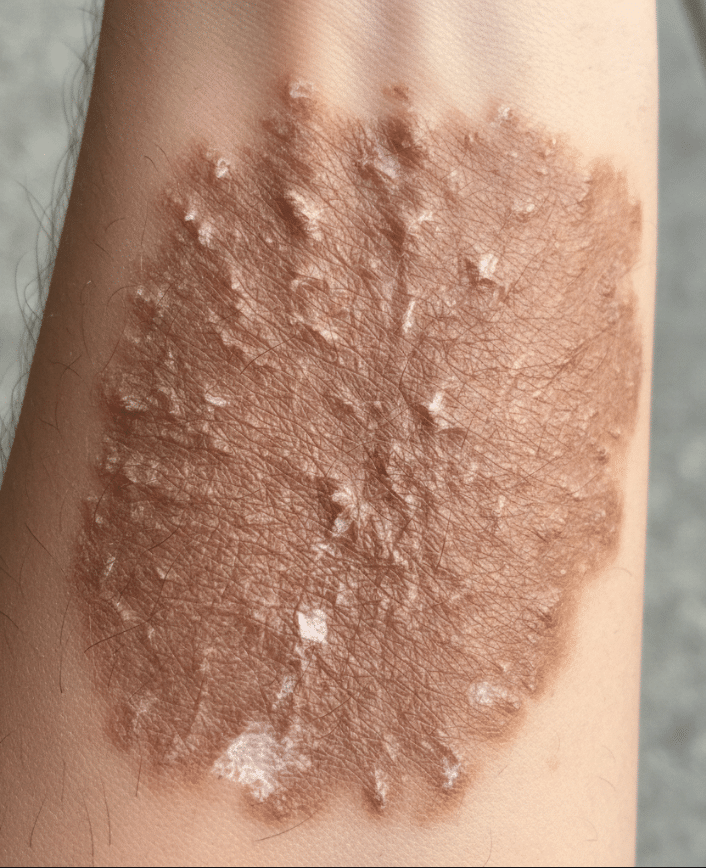
Lichen Simplex Chronicus (LSC) is a chronic skin condition that develops due to repeated scratching or rubbing of the skin. It is not a primary disease but a reaction pattern of the skin to persistent itching. Over time, continuous scratching leads to thickened, leathery, and darkened skin patches that can be very uncomfortable and distressing for patients.
LICHEN SIMPLEX CHRONICUS
⭐What is Lichen simplex chronicus?
Lichen Simplex Chronicus is characterized by localized areas of thickened skin with exaggerated skin markings. It commonly affects areas that are easily reachable for scratching, such as the neck, scalp, ankles, wrists, forearms, thighs, and genital region. The itch-scratch cycle is the key factor in the development and persistence of this condition.
⭐Causes of Lichen simplex virus
The main cause of LSC is chronic itching and scratching. Common triggers include:
– Stress, anxiety, or emotional factors
– Underlying skin conditions like eczema, psoriasis, or contact dermatitis
– Dry skin
– Insect bites or allergic reactions
– Nerve-related itching
– Hormonal or systemic conditions in some cases
🌺Note :-
Once itching starts, scratching provides temporary relief but worsens the condition in the long run.
⭐ Symptoms of Lichen simplex chronicus
Common signs and symptoms include:
– Intense itching, often worse at night
– Thickened, rough, or leathery skin patches
– Darkened or reddish-brown discoloration
– Clearly defined plaques with prominent skin lines
– Dryness and scaling
– Sometimes pain or burning sensation
⭐ Diagnosis
Diagnosis is usually clinical, based on the appearance of the skin and patient history. In some cases, a skin biopsy may be done to rule out other conditions such as psoriasis, lichen planus, or fungal infections.
🌺Treatment of Lichen simplex chronicus
The main goal of treatment is to break the itch-scratch cycle.
1. Topical Treatments
– Potent topical corticosteroids to reduce inflammation and itching
– Calcineurin inhibitors (tacrolimus or pimecrolimus) for sensitive areas
– Moisturizers and emollients to repair the skin barrier
2. Oral Medications
– Antihistamines to reduce itching, especially at night
– Anti-anxiety or antidepressant medications in stress-related cases
3. Lifestyle and Behavioral Measures
– Avoid scratching and rubbing
– Keep nails short
– Use soft cotton clothing
– Stress management techniques like yoga or meditation
4. Other Therapies
– Occlusive dressings to protect the skin
– Phototherapy in resistant cases
⭐Prevention and Skin Care Tips
– Regularly moisturize the skin
– Avoid harsh soaps and hot water
– Identify and avoid itch triggers
– Maintain a healthy sleep routine
– Manage stress effectively
—
🌺Frequently Asked Questions (FAQ)
Q1. Is Lichen Simplex Chronicus contagious?
No, LSC is not contagious. It cannot spread from person to person.
Q2. Is Lichen Simple Chronicus a lifelong condition?
It can be chronic if scratching continues, but with proper treatment and behavior changes, it can be well controlled or resolved.
Q3. Can stress really cause LSC?
Stress does not directly cause LSC, but it can trigger or worsen itching, leading to repeated scratching.
Q4. Which body parts are most commonly affected?
Neck, ankles, wrists, scalp, forearms, thighs, and genital areas are commonly involved.
Q5. Can Lichen Simplex Chronicus be cured completely?
There is no instant cure, but symptoms can be effectively managed and skin can return to normal if the itch-scratch cycle is stopped.
Q6. Is steroid cream safe for long-term use?
Topical steroids should be used under medical supervision to avoid side effects such as skin thinning.
🌺 Conclusion
Lichen Simplex Chronicus is a distressing but manageable skin condition caused by chronic itching and scratching. Early diagnosis, proper treatment, and strong patient awareness are essential to break the itch-scratch cycle. With consistent medical care, lifestyle modifications, and stress management, patients can achieve significant relief and prevent recurrence. If symptoms persist, consulting a dermatologist is strongly recommended for personalized treatment.




😱😱
Very useful information
Many people has the problem but they don’t no the tritment.But acording it they solved it
😍😍