
Introduction
Palmoplantar warts are common viral skin infections that affect the palms of the hands and soles of the feet. They are caused by the Human Papilloma Virus (HPV) and often appear as hard, thickened lesions that may cause pain while walking or using hands.
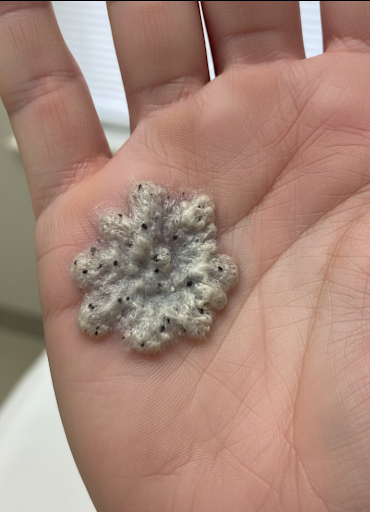
PALMOPLANTER WART
Causes
Palmoplantar warts are caused by HPV infection, which enters the skin through small cuts or cracks. The virus thrives in warm, moist environments.
Risk factors include:
- Walking barefoot in public places (bathrooms, swimming pools, gyms)
- Excessive sweating of hands or feet
- Minor skin injuries
- Weak immunity
- Children and young adults
Clinical Features
- Hard, rough, thickened growth on palms or soles
- Black dots (thrombosed capillaries) on the surface
- Pain or tenderness, especially while walking (plantar warts)
- Disruption of normal skin lines
- Single or multiple lesions (mosaic warts)
Types
- Plantar wart – occurs on the sole, often painful due to pressure
- Palmar wart – occurs on palms or fingers
- Mosaic warts – cluster of multiple small warts
Diagnosis
- Usually diagnosed by clinical examination
- Paring of the lesion may reveal black dots
- Dermoscopy can help confirm diagnosis
- Rarely, biopsy is required
Differential Diagnosis
- Corns and calluses
- Clavus
- Porokeratosis
- Callosity
Treatment
Treatment depends on the size, number, duration, and patient comfort.
Modern Medical Treatment:
- Salicylic acid preparations
- Cryotherapy (liquid nitrogen)
- Electrocautery
- Laser therapy
- Immunotherapy (for resistant warts)
Ayurvedic Management:
- Internal medicines to boost immunity
- Blood-purifying herbs
- Local application of herbal formulations
- Agni deepana and dosha balancing therapy
Ayurveda considers warts under Charmakeela, caused mainly due to vitiation of Vata and Kapha dosha.
Prevention
- Avoid walking barefoot in public places
- Keep hands and feet clean and dry
- Do not pick or scratch warts
- Use personal towels and footwear
- Maintain good immunity
When to See a Doctor
- If the wart is painful or increasing in size
- Multiple warts or recurrence
- Bleeding or color change
- In diabetic or immunocompromised patients
Conclusion
Palmoplantar warts are common but treatable conditions. Early diagnosis and appropriate treatment can prevent pain, spread, and recurrence. Both modern dermatology and Ayurveda offer effective solutions when managed properly.




Good information and solution about HPV . virus
Hpv.virus diagnosis and treatment are super
According your information we know different types of HPV.virus