
⭐INTRODUCTION
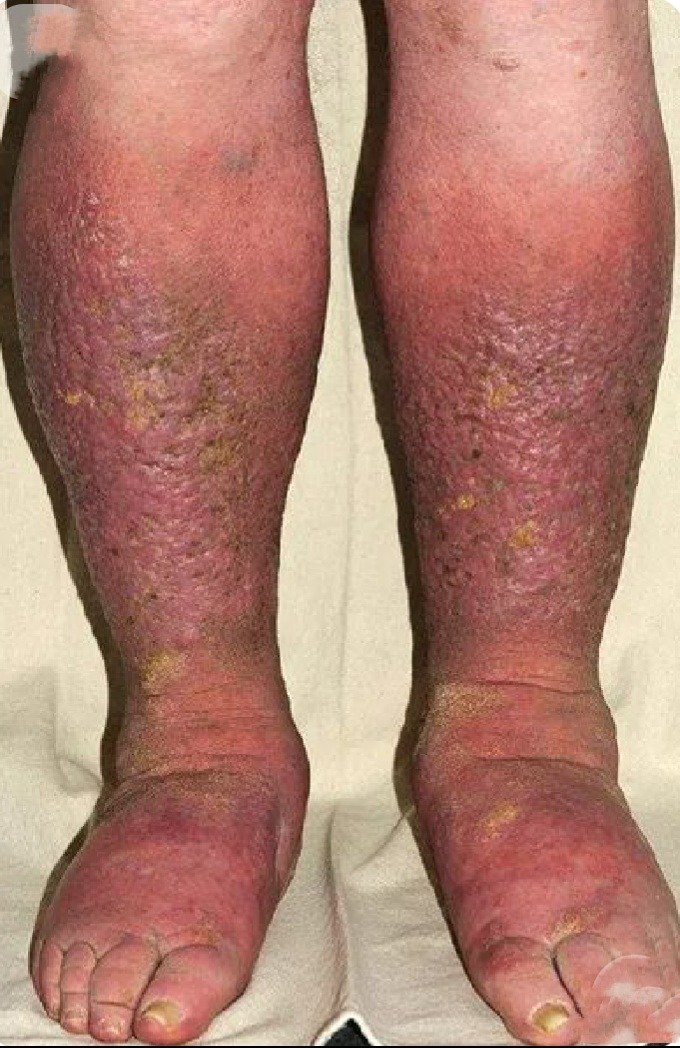
Stasis Dermatitis is a common inflammatory skin condition that mainly affects the lower legs. It usually occurs due to poor blood circulation in the veins, especially in people with chronic venous insufficiency. If left untreated, it can lead to skin infections, ulcers, and long-term skin damage.
STATIS DERMATITIS
⭐What is Stasis Dermatitis?
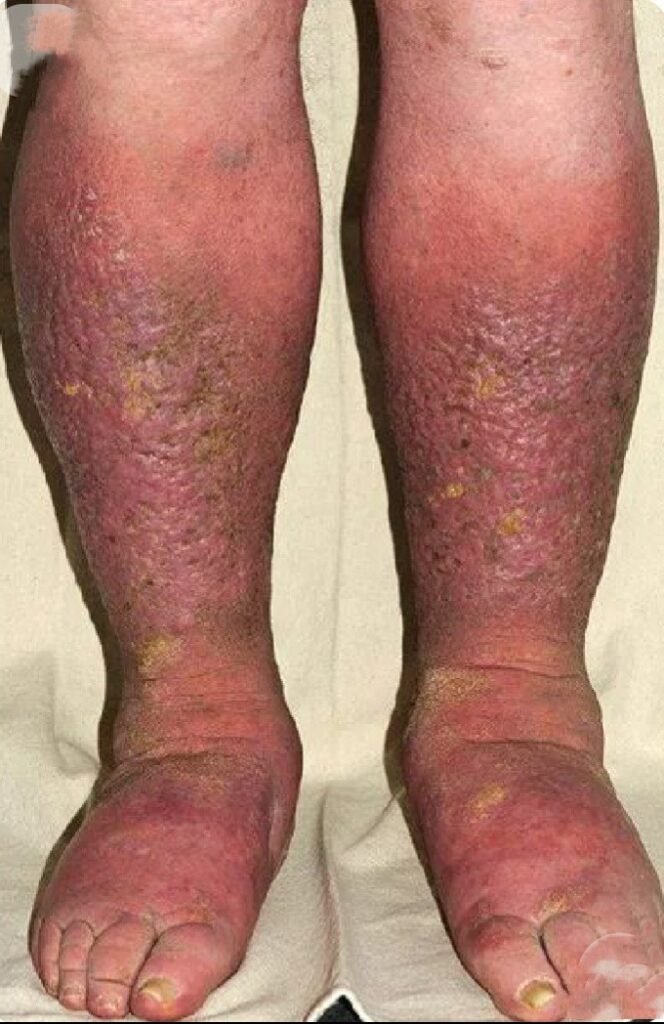
Stasis Dermatitis (also called Venous Stasis Dermatitis) is a skin condition caused by poor blood flow in the veins, mostly in the legs. When veins cannot properly return blood to the heart, fluid leaks into surrounding tissues, leading to swelling, skin inflammation, and discoloration.
It is most commonly seen in:
- Older adults
- People with varicose veins
- Individuals with a history of leg swelling or blood clots
⭐Causes of Stasis Dermatitis
The primary cause is chronic venous insufficiency, but several factors increase the risk:
- Weak or damaged leg veins
- Varicose veins
- Blood clots (deep vein thrombosis)
- Prolonged standing or sitting
- Obesity
- Heart failure
- Pregnancy
- Aging
⭐Symptoms of Stasis Dermatitis
Symptoms usually appear on the lower legs and ankles and may worsen over time.
Common signs include:
- Swelling in the legs and ankles
- Red, itchy, or inflamed skin
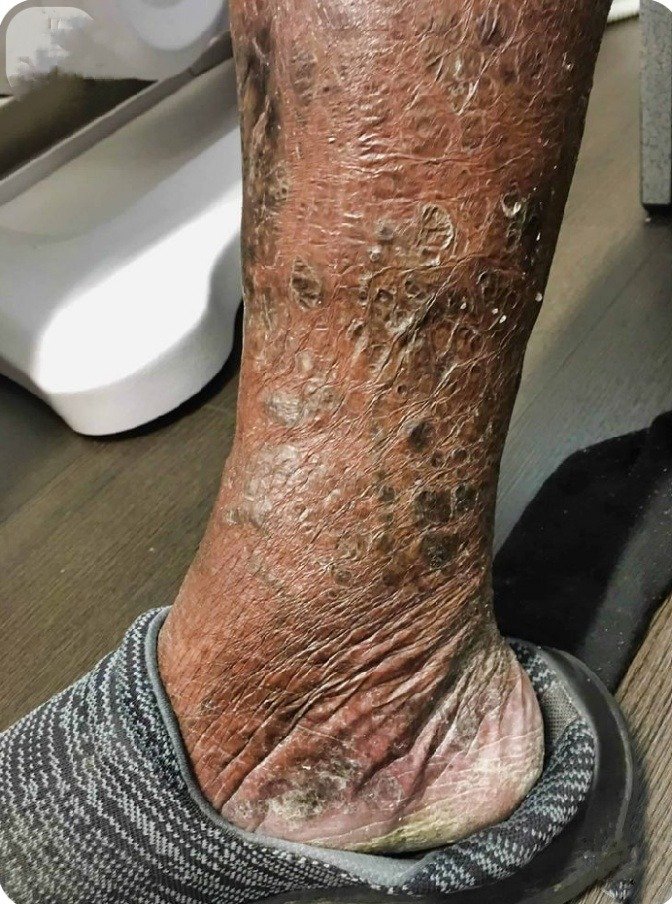
- Dry, scaly, or cracked skin
- Brown, purple, or yellowish skin discoloration
- Thickened or hardened skin
- Pain or heaviness in legs
- Oozing or weeping skin
- Open sores or venous ulcers (in severe cases)
⭐Stages of Stasis Dermatitis
- Early Stage – Mild swelling, itching, dryness
- Moderate Stage – Skin discoloration, scaling, inflammation
- Severe Stage – Thickened skin, infections, ulcers, pain
NOTE :-
Early diagnosis helps prevent complications.
⭐Diagnosis
A doctor usually diagnoses stasis dermatitis based on:
- Physical examination
- Medical history
- Doppler ultrasound (to check blood flow)
⭐Treatment of Stasis Dermatitis
Treatment focuses on improving blood circulation and managing skin symptoms.
1. Improve Blood Flow
- Compression stockings
- Leg elevation
- Regular walking and exercise
2. Medications
- Topical corticosteroids (to reduce inflammation)
- Moisturizers and emollients
- Antibiotics (if infection is present)
- Antihistamines (for itching)
3. Wound Care
- Proper care of ulcers or open sores
- Dressings prescribed by a doctor
4. Lifestyle Changes
- Weight management
- Avoid standing or sitting for long periods
- Quit smoking
⭐Home Care Tips
- Elevate legs above heart level for 15–30 minutes
- Keep skin moisturized daily
- Avoid harsh soaps and hot water
- Wear loose, comfortable clothing
- Do not scratch affected areas
⭐Possible Complications
If untreated, stasis dermatitis may lead to:
- Skin infections (cellulitis)
- Chronic leg ulcers
- Permanent skin discoloration
- Reduced mobility
💐Frequently Asked Questions (FAQ)
Q1. Is stasis dermatitis curable?
Stasis dermatitis is manageable but not completely curable. With proper treatment and lifestyle changes, symptoms can be well controlled.
Q2. Is stasis dermatitis contagious?
No, it is not contagious and cannot spread from person to person.
Q3. Can stasis dermatitis cause pain?
Yes, especially in advanced stages, it may cause pain, heaviness, and discomfort in the legs.
Q4. Who is most at risk?
Older adults, people with varicose veins, obesity, heart problems, or a history of blood clots are at higher risk.
Q5. Can stasis dermatitis heal naturally?
Mild cases may improve with leg elevation and compression, but medical treatment is usually required.
Q6. Are compression stockings necessary?
Yes, they are one of the most effective ways to reduce swelling and improve blood flow.
🌺Conclusion
Stasis Dermatitis is a chronic skin condition caused by poor blood circulation in the legs. While it cannot be completely cured, early diagnosis, proper treatment, and lifestyle modifications can significantly reduce symptoms and prevent serious complications like ulcers and infections.
If you notice persistent leg swelling, itching, or skin discoloration, consult a healthcare professional early. Taking care of your veins is the key to healthy skin and better quality of life.




😱