Vitiligo is a chronic skin condition in which white patches appear on the skin due to loss of pigment (melanin). Although it affects appearance, vitiligo is not contagious, not life-threatening, and not a sign of poor hygiene.
Despite this, many people with vitiligo face social stigma, discrimination, and emotional distress, which often affects their confidence, mental health, and quality of life more than the disease itself.
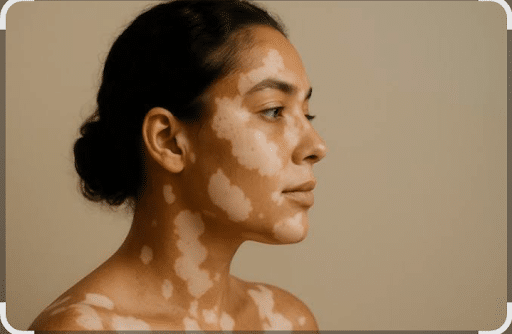
VITILIGO
Understanding the Stigma
People with vitiligo are often misunderstood due to:
- Lack of awareness
- Cultural myths
- Fear of visible difference
- Association with leprosy or infections (which is incorrect)
This stigma can lead to:
- Social isolation
- Low self-esteem
- Anxiety and depression
- Discrimination in marriage, work, and social life
Vitiligo: The Medical Truth
- Vitiligo is an autoimmune condition
- It can affect people of any age, gender, or race
- It is not infectious
- It is not caused by diet, touch, curse, or past sins

STIGMA
Why Awareness Matters
Educating society helps:
- Reduce fear and myths
- Promote empathy and acceptance
- Encourage patients to seek early treatment
- Improve mental well-being of affected individuals
Living Confidently with Vitiligo
- Seek medical guidance early
- Consider counseling if emotional stress is high
- Join support groups
- Educate family and friends
- Embrace self-acceptance and confidence
NOTE :-
Many successful personalities, models, and athletes live confidently with vitiligo, proving that skin color does not define worth.
Frequently Asked Questions (FAQ)
1. Is vitiligo contagious?
No. Vitiligo does not spread by touch, sharing food, or close contact.
2. Is vitiligo a form of leprosy?
Absolutely not. Vitiligo and leprosy are completely different diseases.
3. Can vitiligo be cured completely?
There is no permanent cure yet, but many effective treatments can control and improve the condition.
4. Does vitiligo affect internal organs?
No. Vitiligo affects only skin pigmentation.
5. Is vitiligo caused by stress?
Stress does not cause vitiligo but may trigger or worsen it in some individuals.
6. Can a person with vitiligo get married and have children?
Yes. Vitiligo does not affect fertility, marriage, or pregnancy.
7. Is vitiligo hereditary?
There may be a genetic tendency, but not everyone with family history develops vitiligo.
8. Should people with vitiligo avoid social interaction?
No. Social acceptance and confidence are important for emotional health.
9. Can vitiligo be treated with Ayurveda or modern medicine?
Both systems aim to manage vitiligo. Treatment should be individualized and supervised by a qualified doctor.
10. How can society help reduce stigma?
- Spread correct information
- Avoid discrimination
- Treat patients with respect
- Promote inclusive attitudes
Conclusion
Vitiligo is a skin condition, not a social flaw. Ending stigma begins with awareness, compassion, and education. When society accepts differences, individuals with vitiligo can live with dignity, confidence, and pride.