
Viruses are one of the smallest infectious agents on Earth, but they have the power to cause some of the most widespread diseases in humans, animals, and plants. From the common cold to COVID-19, viruses have shaped global health for centuries.
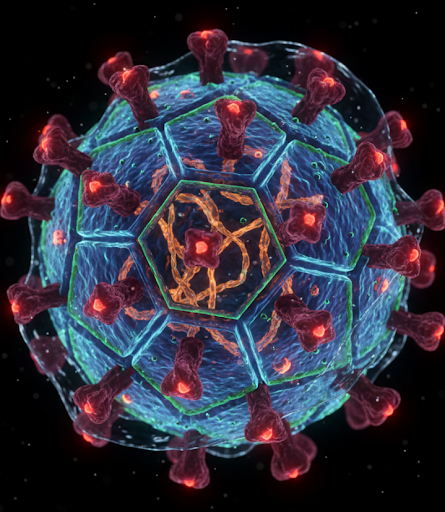
VIRUS
🔬 What Are Viruses?
A virus is a microscopic infectious particle that cannot survive or reproduce on its own. It needs a living host (human, animal, or plant cell) to multiply.
Once inside the body, a virus enters the cells, hijacks their machinery, and makes copies of itself — leading to infection.
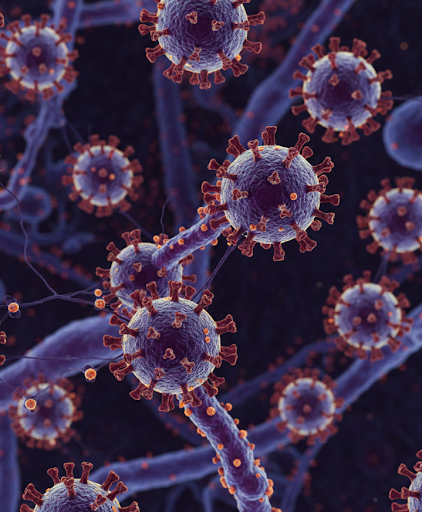
VIRUS UNDER MICROSCOPE
🧬 Structure of a Virus
Most viruses contain:
- Genetic Material
– DNA or RNA - Protein Coat (Capsid)
– Protects viral genetic material - Envelope (in some viruses)
– A fatty outer layer (e.g., influenza virus, coronavirus)
🦠 How Do Viruses Spread?
Viruses can spread in several ways:
1. Airborne Transmission
- Coughing, sneezing, talking
- E.g., Influenza, COVID-19
2. Direct Contact
- Touching infected skin or body fluids
- E.g., Herpes, HIV
3. Contaminated Surfaces
- Touching a surface with viral particles, then touching the nose/eyes/mouth
4. Food & Water
- E.g., Hepatitis A, Rotavirus
5. Insect Bites
- Mosquitoes, ticks
- E.g., Dengue, Zika, Chikungunya
🩺 Common Symptoms of Viral Infections
Symptoms depend on the type of virus, but commonly include:
- Fever
- Cough, sore throat
- Runny nose
- Headache
- Muscle pain
- Skin rashes
- Diarrhea or vomiting
- Fatigue
Some viruses may cause severe complications like pneumonia, encephalitis, or organ damage.
📋 Types of Viral Diseases (Examples)
- Respiratory Viruses
– Influenza, RSV, Coronavirus - Gastrointestinal Viruses
– Rotavirus, Norovirus - Hepatitis Viruses
– Hepatitis A, B, C, E - Neurological Viruses
– Rabies, Japanese Encephalitis - Skin Viruses
– Varicella (Chickenpox), Measles, Herpes - Bloodborne Viruses
– HIV, Hepatitis B & C
🛡 Prevention of Viral Infections
1. Vaccination
One of the most effective tools against viral diseases
(E.g., Measles, Polio, COVID-19, Hepatitis B)
2. Personal Hygiene
- Frequent hand-washing
- Using sanitizers
- Avoid touching the face
3. Healthy Respiratory Practices
- Wearing masks in crowded/illness seasons
- Covering mouth when coughing/sneezing
4. Safe Food & Water
- Drinking clean water
- Eating well-cooked food
5. Avoiding Mosquito Bites
- Mosquito repellents
- Nets
- Fogging in high-risk areas
💊 Treatment of Viral Infections
Most viruses do not have a direct cure. Treatment mainly focuses on:
- Rest
- Hydration
- Fever reducers (paracetamol)
- Antiviral medications (for specific viruses)
– Acyclovir (Herpes)
– Oseltamivir (Influenza)
– ART (HIV)
– Ribavirin (Hepatitis C, in combination)
Antibiotics do not work on viruses.
🌿 Home Remedies
- Drink plenty of warm fluids
- Steam inhalation if congestion
- Adequate sleep
- Light, nutritious diet
- Oral rehydration solution (ORS) if dehydration
- Avoid self-medication with steroids or unnecessary antibiotics
❓ FAQ
1. Are viruses living or non-living?
They are considered at the border of living and non-living — they need a host to multiply.
2. Can all viruses be treated with antivirals?
No. Only a few viruses have specific antiviral medicines.
3. Are viral infections contagious?
Most are, especially respiratory and gastrointestinal viruses.
4. How long does a viral fever last?
Usually 3–7 days, depending on the virus.
5. Can viruses mutate?
Yes. Viral mutations are common — e.g., influenza and coronavirus variants.
6. Can immunity prevent viral diseases?
A strong immune system + vaccination significantly reduces risk.
📌 Conclusion
Viruses are powerful yet simple organisms that continue to challenge human health. With proper hygiene, vaccination, early diagnosis, and medical care, most viral infections can be prevented or effectively managed.




Thank you for giving all information about virus.
You are given best treatment knowledge