🌿 Introduction
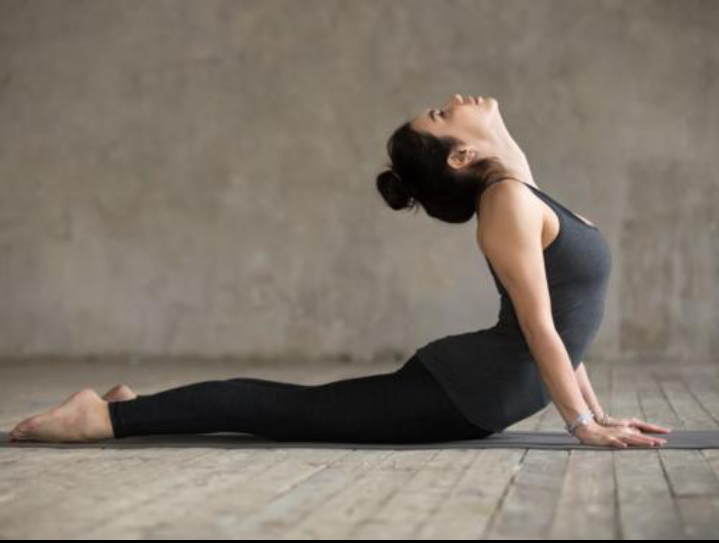
Bhujangasana, commonly known as Cobra Pose, is a popular yoga asana performed while lying on the stomach. The word Bhujanga means “cobra” in Sanskrit. In this pose, the upper body is gently lifted while the pelvis and legs remain grounded, resembling a cobra raising its hood.
It is commonly practiced as part of Surya Namaskar and other yoga sequences. Bhujangasana can help improve spinal mobility, strengthen the back, and open the chest when performed with proper technique.
🧘 How to Perform Bhujangasana
- Lie on your stomach with your legs extended and feet together or slightly apart.
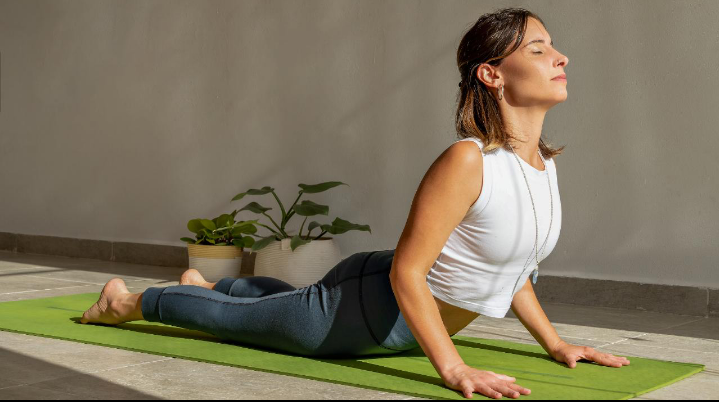
- Place your palms on the floor beside your chest, with elbows close to your body.
- Keep your forehead or chin gently on the mat.
- Take a slow breath in and gently lift your head and chest.
- Use your back muscles to raise the upper body rather than pushing strongly with your hands.
- Keep your shoulders relaxed and away from your ears.
- Lift only as high as comfortable while keeping your lower abdomen and pelvis grounded.
- Hold the position for about 15–30 seconds, breathing normally.
- Slowly lower your chest and forehead back to the mat.
- Relax and repeat 2–3 times if comfortable.
💪 Benefits of Bhujangasana
1. Strengthens the Back
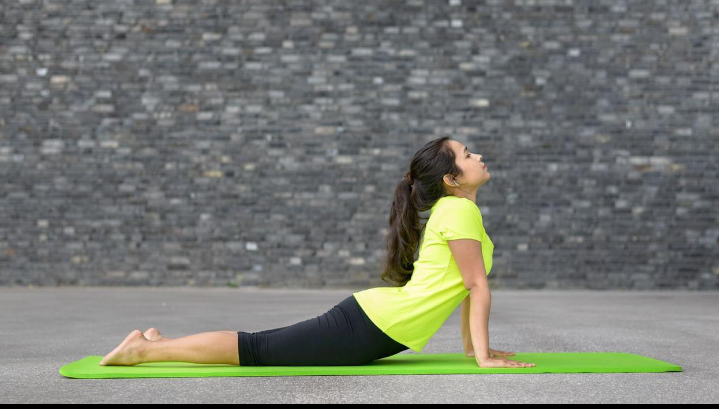
It activates the muscles of the back and may help improve spinal stability.
2. Improves Spinal Flexibility
Regular, gentle practice can promote flexibility and mobility of the spine.
3. Opens the Chest
The posture stretches the chest and front of the shoulders.
4. Strengthens the Shoulders and Arms
The muscles around the shoulders and arms work to support the posture.
5. Improves Posture
Practicing the pose with correct alignment may help develop better awareness of upright posture.
6. Promotes Relaxation
Slow breathing during the asana can encourage a calm and mindful state.
⚠️ Precautions
Bhujangasana is not suitable for everyone. Avoid or modify the pose if you have:
- A recent abdominal or spinal injury
- Severe or acute back pain
- Recent abdominal surgery
- A condition that makes spinal extension painful
- Pregnancy, unless specifically advised and modified by a qualified prenatal yoga professional
Never force the backbend. Pain, especially sharp or radiating pain, is a signal to stop.
❓ Frequently Asked Questions
Q1. How long should I hold Bhujangasana?
Beginners can start with 10–15 seconds and gradually increase to around 20–30 seconds if comfortable.
Q2. Can beginners practice Cobra Pose?
Yes. Beginners can practice a gentle version, lifting the chest only as far as comfortable.
Q3. Is Bhujangasana good for back pain?
It may be helpful for some people, but it is not appropriate for every type of back pain. If the pose increases pain, stop and seek professional advice.
Q4. How many times should I perform Bhujangasana?
Generally, 2–3 repetitions are sufficient for a beginner, provided there is no discomfort.
Q5. Should I straighten my arms completely?
Not necessarily. Keep your elbows slightly bent if needed. The goal is a comfortable spinal extension, not maximum height.
Q6. Can Bhujangasana help improve posture?
It can strengthen and stretch muscles involved in posture, but good posture depends on overall strength, mobility, and daily habits.
Q7. What is the best time to practice Bhujangasana?
It is generally practiced on a relatively empty stomach, often in the morning or several hours after a meal.
🌸 Conclusion
Bhujangasana (Cobra Pose) is a simple yet effective yoga posture that focuses on the back, spine, shoulders, and chest. Practicing it regularly with proper alignment, controlled breathing, and without forcing the body can support flexibility, strength, and body awareness.
🧘 “Lift your body gently, breathe deeply, and let every movement bring you closer to balance.”