Introduction
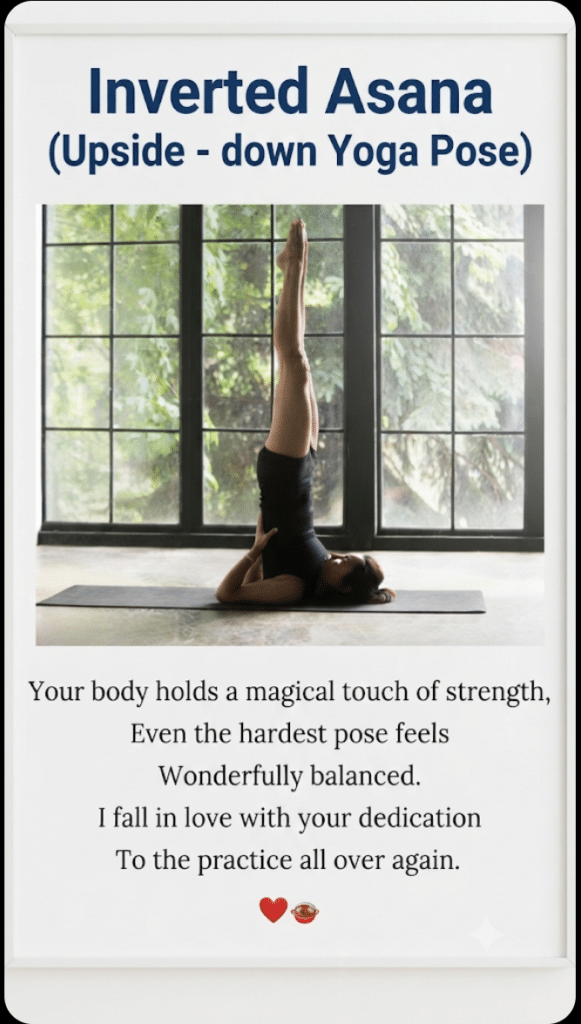
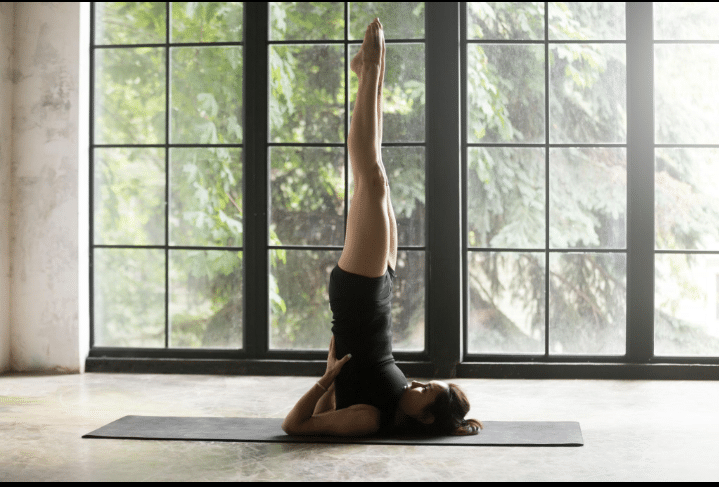
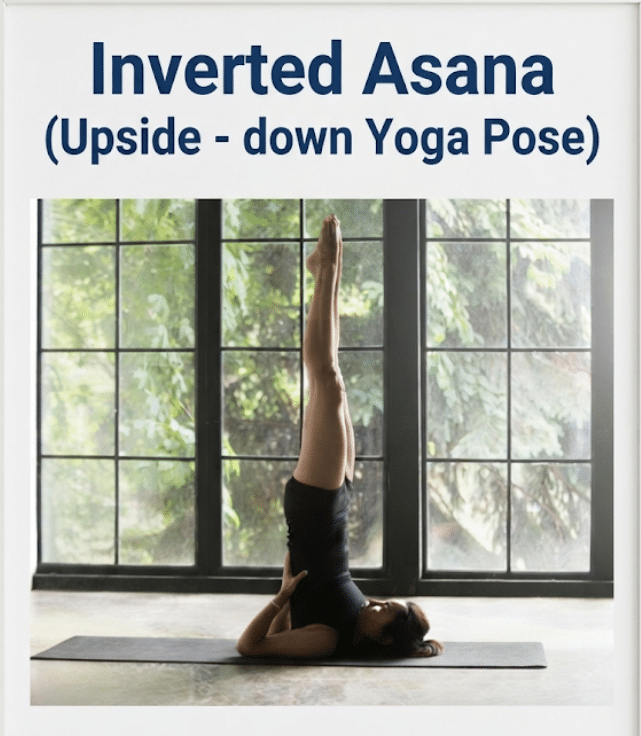
Inverted Asanas are yoga postures in which the head is positioned below the heart or the legs are lifted above the head. They are commonly known as upside-down yoga poses. Examples jiinclude Sirsasana (Headstand), Sarvangasana (Shoulder Stand), Adho Mukha Vrksasana (Handstand), Pincha Mayurasana (Forearm Stand) and the gentler Viparita Karani (Legs-Up-the-Wall Pose).
These poses can develop balance, body awareness, core and upper-body strength, concentration and confidence.
🌿 Types of Inverted Asanas
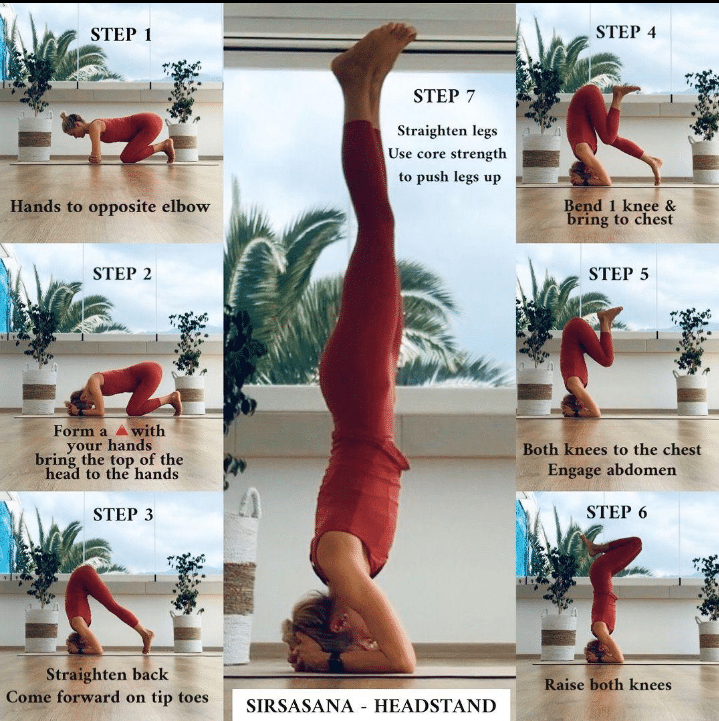
1. Sirsasana – Headstand
The body is balanced upside down with the forearms and head supporting the posture. It is an advanced inversion requiring good shoulder, neck and core control.
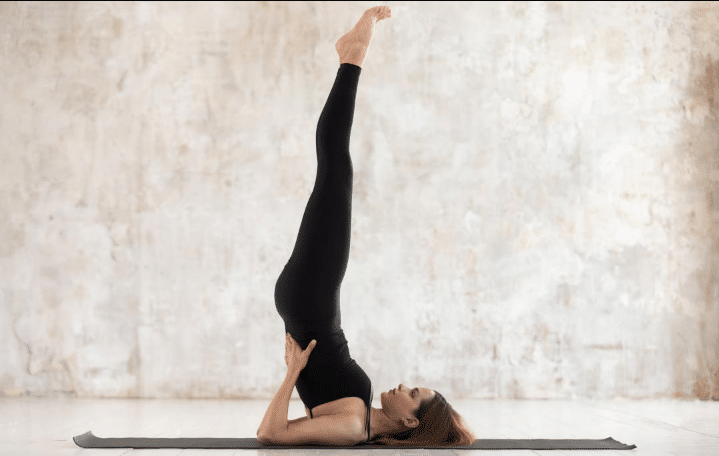
2. Sarvangasana – Shoulder Stand
The body is lifted vertically while the shoulders and upper arms provide the main support. Proper alignment is particularly important because the neck is flexed.
3. Adho Mukha Vrksasana – Handstand
The body is balanced on the hands with the legs extended upward. It requires considerable wrist, shoulder, core and balance strength.
4. Viparita Karani – Legs-Up-the-Wall
A much gentler inversion in which the legs rest against a wall. It can be a useful alternative for people who should avoid demanding inversions.
💪 Potential Benefits
Regular, appropriately modified yoga practice can support flexibility, balance, body awareness and stress management. Inversions may additionally challenge the core, shoulders and arms and require sustained concentration.
Possible benefits include:
- 🧘 Improved balance and body awareness
- 💪 Greater core and upper-body strength
- 🎯 Better concentration and coordination
- 🌿 A feeling of relaxation after practice
- 🧠 Increased confidence in challenging movements
- 🧘♀️ Greater awareness of posture and alignment
Claims that inversions cure specific diseases or dramatically increase blood flow to the brain should not be treated as established medical facts.
🧘 How to Practise an Inverted Asana Safely
- Begin with a proper warm-up.
- Strengthen the shoulders, arms and core first.
- Learn the posture from a qualified yoga instructor.
- Use a wall or other appropriate support while learning, when suitable.
- Keep your breathing slow and controlled.
- Never force the neck or spine.
- Come out of the pose immediately if you experience pain, dizziness, headache or unusual pressure.
- Progress gradually rather than trying to hold the pose for a long time.
For headstand in particular, technique and preparation are important because excessive loading of the cervical spine can cause injury.
⚠️ Precautions and Contraindications
Advanced inversions are not suitable for everyone. Extra caution or medical advice is appropriate for people with:
- Neck or shoulder injuries
- Certain spinal conditions
- Glaucoma or significant eye-pressure problems
- Uncontrolled high blood pressure
- Certain heart conditions
- Osteoporosis
- Significant balance problems or frequent dizziness
- Recent head or neck injury
Pregnant individuals should obtain individualized medical and yoga-professional guidance before attempting advanced inversions.
Important: Never force a headstand or shoulder stand simply because others can do it. A gentle alternative such as Legs-Up-the-Wall Pose may be more appropriate.
❓ Frequently Asked Questions
1. What is an inverted asana?
An inverted asana is a yoga posture in which the head is below the heart or the body is positioned upside down.
2. Is Headstand suitable for beginners?
Generally, beginners should not attempt an unsupported headstand without proper instruction and preparation. Start with simpler poses and learn the necessary strength and alignment first.
3. Can inverted poses improve concentration?
They require balance, coordination and focused attention, which can make them a useful part of a mindful yoga practice. However, claims that headstand directly improves memory or cognition are not well established.
4. Can people with high blood pressure practise inversions?
Advanced inversions such as headstand and shoulder stand may not be appropriate for people with hypertension, particularly when blood pressure is not well controlled. Medical guidance is advisable.
5. Is Legs-Up-the-Wall an inverted pose?
Yes. It is a gentle inversion in which the legs are elevated while the person remains supported on the floor.
6. How long should I hold an inversion?
There is no universal duration. Beginners should prioritize comfortable breathing, correct alignment and safety rather than holding the pose for a specific length of time.
7. Should I practise Headstand every day?
Not necessarily. Quality, preparation and recovery are more important than practising an advanced inversion every day.
🌸 Conclusion
Inverted Asanas can be challenging, rewarding and beneficial additions to a balanced yoga practice. They can develop strength, balance, coordination, body awareness and concentration. However, advanced poses such as Sirsasana and Sarvangasana should be learned gradually and with appropriate guidance.
Yoga is not about forcing the body into a difficult position—it is about discipline, awareness, patience and respecting your body’s limits. When an advanced inversion is unsuitable, choosing a gentler alternative is also a successful yoga practice.
**“Turn your perspective upside down, but never turn your safety upside down.” 🧘♀️✨**