💐 Mudra in Yoga: The Power of Gestures for Mind, Body, and Spirit
💐 Introduction
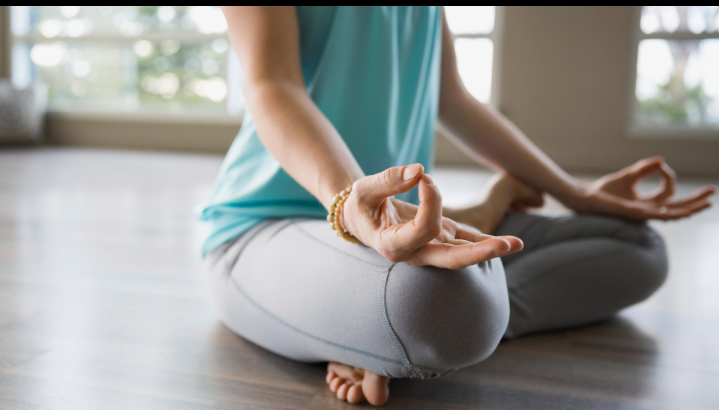
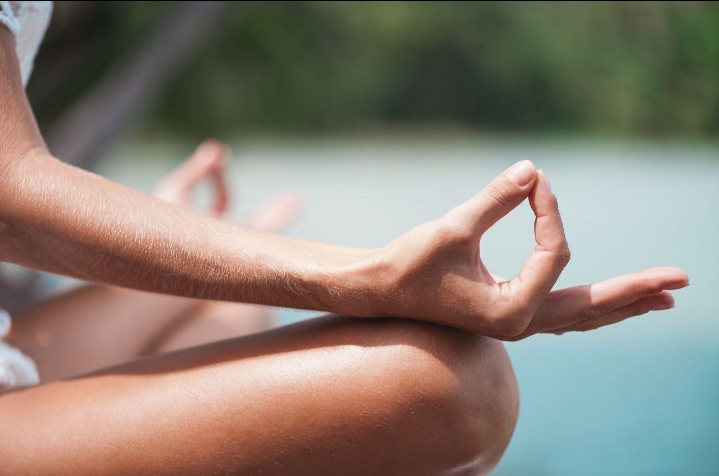
In the ancient science of Yoga, Mudra refers to a symbolic gesture or seal that helps direct and balance the flow of energy within the body. Mudras are traditionally practiced during meditation, pranayama, and other yogic practices to promote physical, mental, and spiritual well-being.
The Sanskrit word Mudra means a gesture, seal, or symbolic expression. These subtle practices connect the body, mind, and breath, helping practitioners develop awareness, concentration, and inner peace.
Mudras are often performed using the hands and fingers, but some involve the entire body, eyes, or tongue.
MUDRAS
🌿What Is Mudra in Yoga?
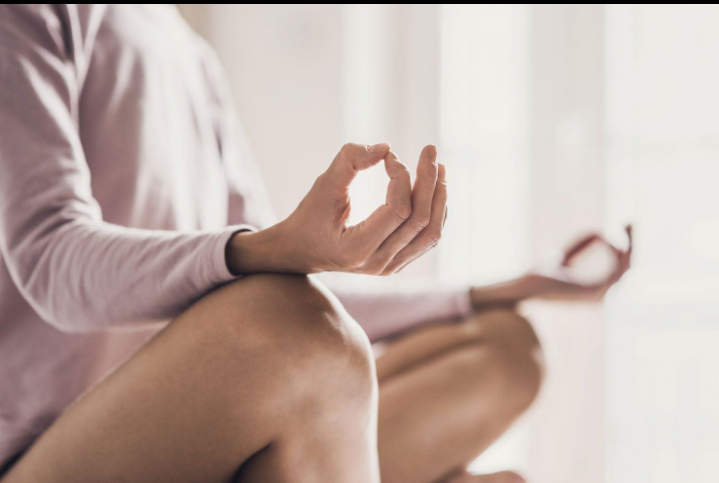
Mudra is a yogic technique in which specific positions of the hands or body are maintained with awareness and intention.
According to traditional yogic philosophy, the five fingers represent the five elements:
| Finger | Element | Sanskrit |
| ————- | ——- | ——– |
| Thumb | Fire | Agni |
| Index finger | Air | Vayu |
| Middle finger | Space | Akasha |
| Ring finger | Earth | Prithvi |
| Little finger | Water | Jala |
By combining the fingers in specific ways, traditional yoga practices aim to harmonize these elements and support the flow of prana (vital energy).
🌺 Types of Mudras in Yoga
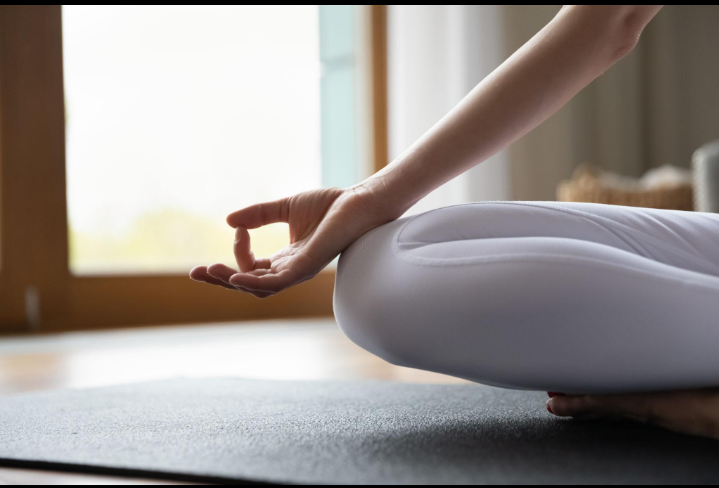
1\. Gyan Mudra (Gesture of Knowledge)
How to practice:
* Sit comfortably in Sukhasana or Padmasana.
* Touch the tip of the index finger to the tip of the thumb.
* Keep the remaining three fingers extended and relaxed.
* Rest your hands on your knees, palms facing upward.
* Breathe naturally and meditate.
Traditional benefits: Promotes concentration, mental clarity, calmness, and self-awareness.
2\. Chin Mudra (Gesture of Consciousness)
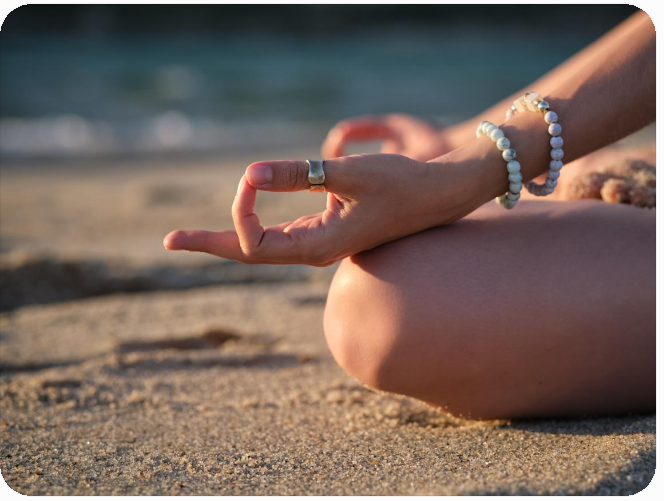
How to practice:
* Sit in a comfortable meditative posture.
* Join the thumb and index finger gently.
* Keep the other fingers relaxed.
* Rest the hands on the knees with palms facing upward.
Traditional benefits: Encourages awareness, relaxation, and a meditative state.
3\. Prana Mudra (Gesture of Vital Energy)
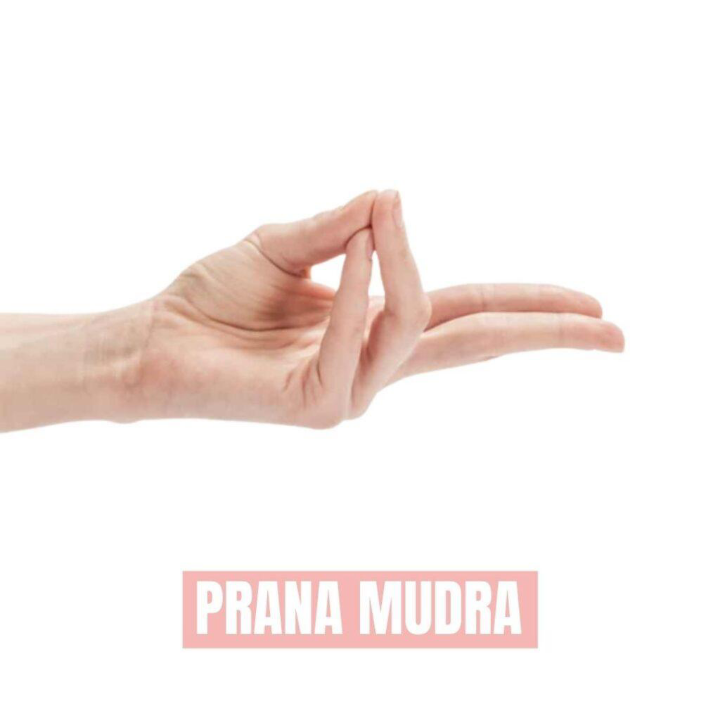
How to practice:
* Sit comfortably with your spine straight.
* Touch the tips of the ring finger and little finger to the thumb.
* Keep the index and middle fingers extended.
* Practice with both hands while breathing slowly.
Traditional benefits: Traditionally associated with vitality, energy, and balance.
4\. Apana Mudra (Gesture of Elimination)
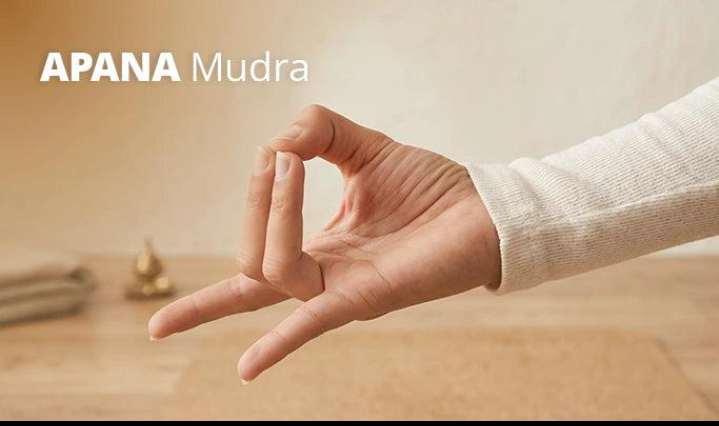
How to practice:
* Touch the tips of the middle and ring fingers to the thumb.
* Keep the index and little fingers extended.
* Rest your hands comfortably on your knees.
* Breathe naturally for a few minutes.
Traditional benefits: Associated with the body’s downward energy and elimination processes in yogic philosophy.
5\. Vayu Mudra (Gesture of Air)
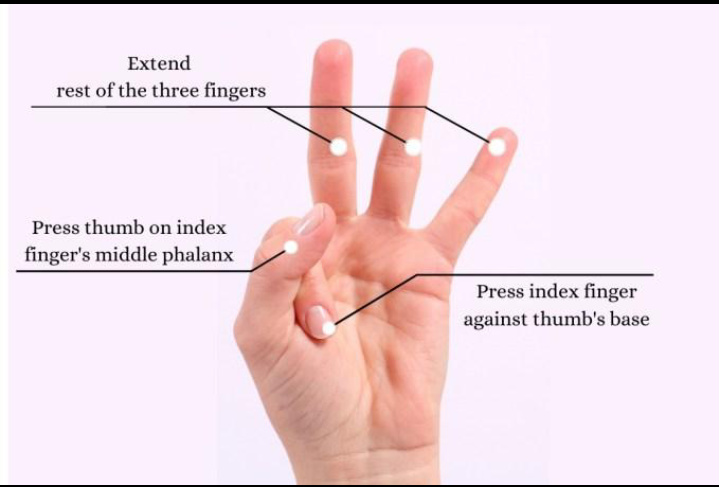
How to practice:
* Fold the index finger toward the base of the thumb.
* Gently place the thumb over the index finger.
* Keep the remaining fingers extended.
* Practice comfortably without applying excessive pressure.
Traditional benefits: Traditionally used to support balance of the air element.
🌿 Other Important Yogic Mudras
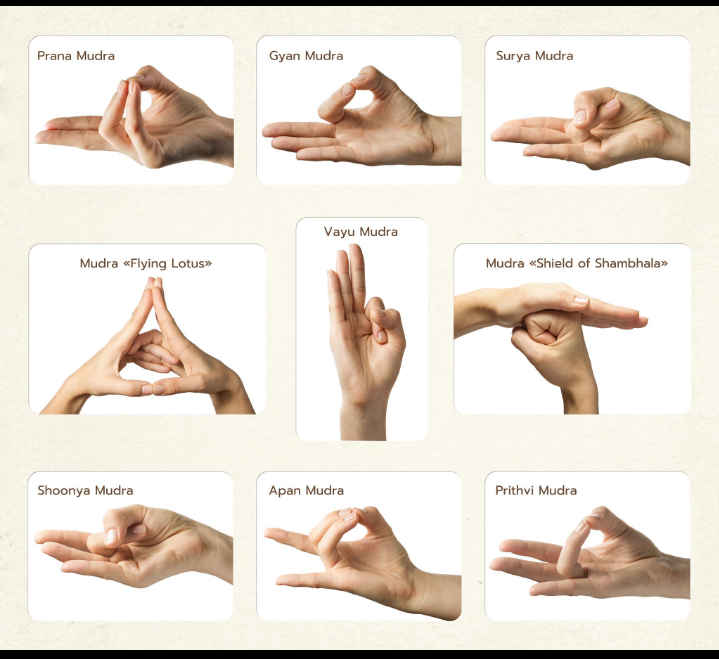
| Mudra | Hand Position | Traditional Purpose |
| ————– | ——————————————- | ————————————- |
| Shunya Mudra | Middle finger folded toward thumb | Associated with the space element |
| Surya Mudra | Ring finger folded toward thumb | Associated with fire and vitality |
| Anjali Mudra | Palms joined in front of the chest | Gratitude, respect, and inner harmony |
| Dhyana Mudra | Both hands resting in the lap, palms upward | Meditation and deep concentration |
| Bhairava Mudra | Right hand resting over left in the lap | Stability and meditative awareness |
🌺 How to Practice Mudra Correctly
!
For a comfortable and effective practice, follow these simple guidelines:
* Choose a quiet place: Practice in a peaceful, clean environment.
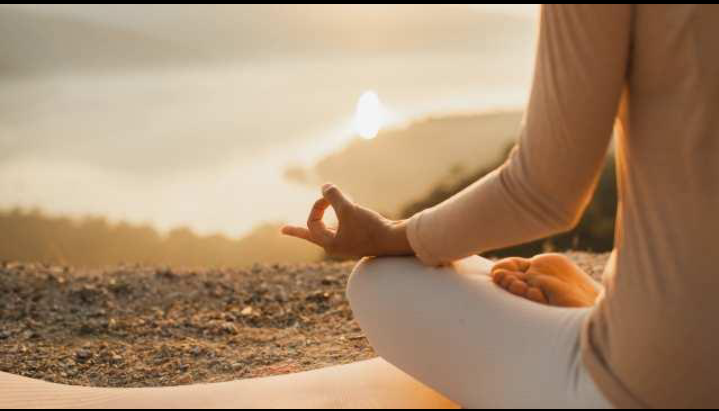
* Maintain proper posture: Sit in Sukhasana, Vajrasana, or on a chair with your spine comfortably upright.
* Keep your hands relaxed: Avoid excessive pressure or tension in your fingers.
* Focus on your breathing: Breathe naturally and gently.
* Start with a short duration: Begin with 5 minutes and gradually increase to 10–15 minutes if comfortable.
* Practice regularly: Consistency and mindful awareness are more important than forcing a particular duration.
Mudras may be practiced during meditation or pranayama, depending on the technique and individual comfort.
🌿 Benefits of Mudra Practice

Mudras are traditionally believed to support harmony between the body, mind, and breath.
🌺 Mental and emotional benefits
* Encourages mindfulness and concentration.
* Supports relaxation and emotional balance.
* Helps establish a regular meditation practice.
* Promotes awareness of the breath and body.
### Spiritual benefits
* Supports meditation and self-awareness.
* Encourages a sense of inner stillness.
* Forms part of traditional yogic and contemplative practices.
🌿 Physical well-being
Mudras are gentle practices that may complement relaxation and breathing exercises. However, scientific evidence for specific medical benefits of individual mudras remains limited. They should not be considered a replacement for medical treatment.
💐 Frequently Asked Questions (FAQ)
### 1\. What is the best mudra for beginners?
Gyan Mudra is a simple and popular choice for beginners. It can be practiced while sitting comfortably and meditating.
### 2\. How long should we practice mudras daily?
Beginners can start with 5 minutes daily and gradually increase the duration according to comfort. There is no universally established ideal duration.
### 3\. Can mudras be practiced while walking?
Some simple hand gestures may be practiced while walking slowly, but seated practice is generally better for focused meditation. Always prioritize balance and safety.
### 4\. Can mudras be practiced during pranayama?
Yes. Certain mudras, such as Chin Mudra and Gyan Mudra, are commonly used during meditation and breathing practices.
### 5\. Can mudras cure diseases?
There is insufficient scientific evidence to establish that mudras cure specific diseases. They may be used as complementary relaxation practices alongside appropriate medical care.
### 6\. Is it necessary to practice mudras every day?
Regular practice can help establish a mindful routine, but occasional practice is also acceptable. Comfort and consistency are more important than strict rules.
### 7\. Can anyone practice mudras?
Most simple hand mudras are gentle and accessible. People with hand pain, joint problems, or restricted finger movement should modify the positions and avoid discomfort.
🌺 Conclusion
Mudra is a beautiful and subtle aspect of Yoga that combines physical gestures with mindful awareness. Through simple hand positions and conscious breathing, practitioners can develop greater concentration, relaxation, and connection with their inner selves.
The true essence of Mudra lies not merely in the position of the fingers, but in the awareness, intention, and mindfulness behind the practice.
Start with a simple mudra such as Gyan Mudra, practice comfortably, and allow the experience to become a part of your daily yogic journey.
Disclaimer: This article is for educational and general wellness purposes. Mudras are complementary yogic practices and should not replace professional medical advice, diagnosis, or treatment.